Clinical Report: Long-Term Psychological Impact of Bariatric Surgery in Obesity and T2D
Overview
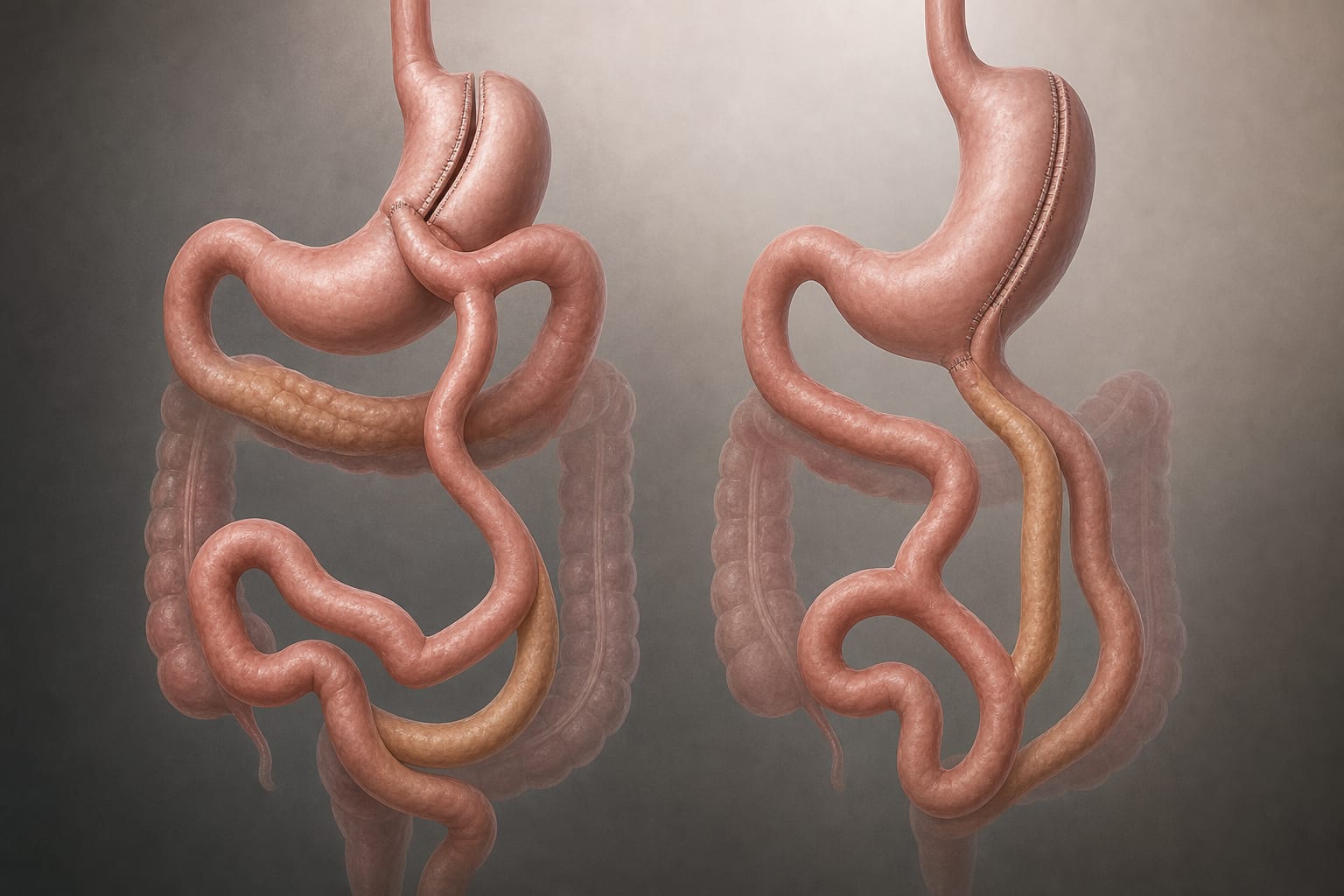
This randomized clinical study evaluated the long-term effects of Roux-en-Y gastric bypass with silastic ring (SR-RYGB) versus sleeve gastrectomy (SG) on depressive symptoms, anxiety, and quality of life in patients with obesity and type 2 diabetes over five years. The study found differential psychological outcomes by procedure type and highlighted the complex relationship between pre-surgical mental health and post-surgical weight loss.
Background
Bariatric surgery is known to improve psychological outcomes such as depression, anxiety, and quality of life in many patients, particularly in the short term. However, some patients experience no change or deterioration in mental health over time, with improvements often waning after 2 to 3 years. The influence of pre-existing mental health conditions on surgical outcomes remains inconsistent, and there are no specific guidelines for psychological support before or after surgery. This study addresses these gaps by prospectively comparing two bariatric procedures in a New Zealand population without routine psychological support.
Data Highlights
The study enrolled 114 patients aged 20-55 years with BMI 35-65 kg/m2 and type 2 diabetes. Participants were randomized to SR-RYGB or SG and followed for 5 years. Psychological assessments included the Hospital Anxiety and Depression Scale (HADS) and RAND 36-item Health Survey at baseline and annually post-surgery. The primary outcome was diabetes remission, with secondary analyses focusing on depressive symptoms, anxiety, quality of life, and the impact of pre-surgical depressive symptoms on weight loss.
Key Findings
Both SR-RYGB and SG led to initial improvements in depressive and anxiety symptoms within the first postoperative year.
Psychological improvements tended to diminish between 2 to 3 years post-surgery, consistent with prior long-term studies.
Quality of life improved across multiple domains post-surgery but showed variable persistence over the 5-year follow-up.
Pre-surgical depressive symptoms were variably associated with weight loss outcomes, indicating a complex interplay between mental health and physiological changes.
No routine pre- or post-operative psychological support was provided, highlighting the naturalistic course of psychological outcomes after surgery.
The randomized, double-blind design comparing SR-RYGB and SG in a multi-ethnic New Zealand cohort provides robust evidence on procedure-specific psychological effects.
Clinical Implications
Clinicians should be aware that while bariatric surgery often improves mental health and quality of life initially, these benefits may decline after 2 to 3 years, necessitating ongoing psychological monitoring. Pre-existing depressive symptoms may influence weight loss trajectories, underscoring the importance of psychological assessment before surgery. Given the lack of standardized psychological support protocols, individualized mental health care plans should be considered to optimize long-term outcomes.
Conclusion
This study confirms that bariatric surgery produces significant but potentially transient psychological benefits in patients with obesity and type 2 diabetes. Understanding the differential impacts of surgical procedures and the role of pre-surgical mental health can guide patient selection and postoperative care to maximize both physiological and psychological outcomes.
References
Study Authors/Various Years -- Bariatric Surgery and Psychological Outcomes
New Zealand Regional Ethics Committee NTY/11/07/082 -- Ethics Approval
ANZCTR ACTRN12611000751976 and ClinicalTrials.gov NCT01486680 -- Trial Registration