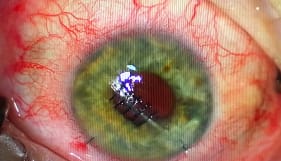
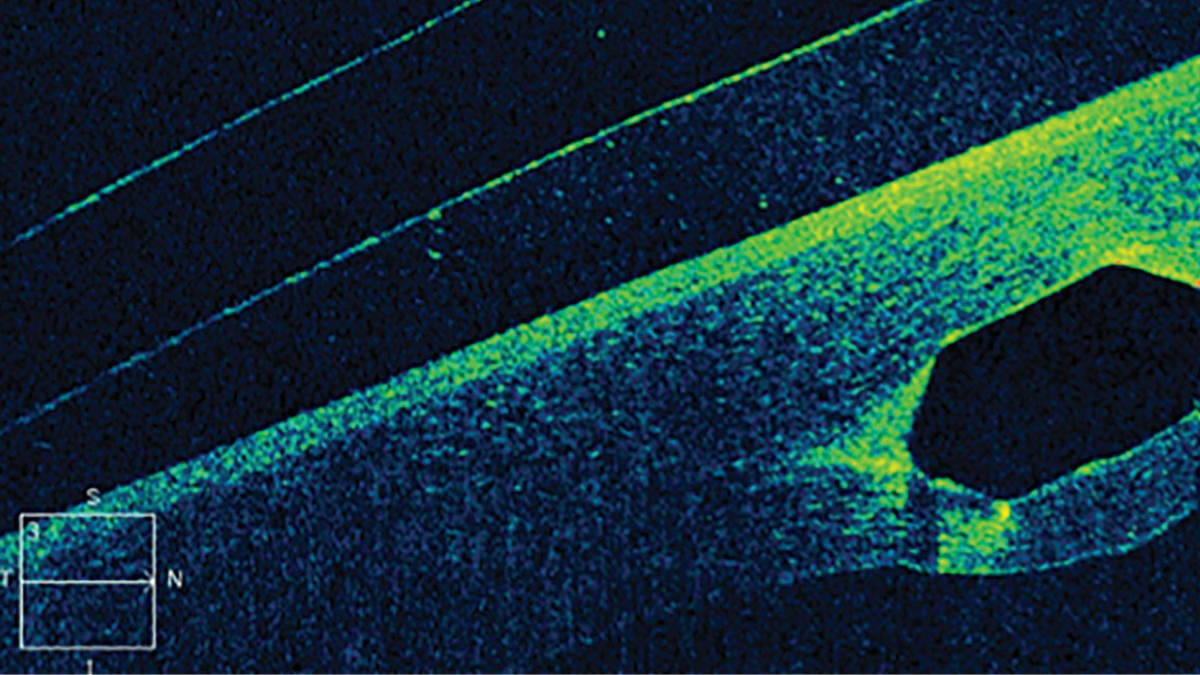
Mastering Comanagement With Corneal Specialists
-
By
-
Julie Greenbaum, editor
-
January 1, 2026
-
4 min
Clinical Report: Mastering Comanagement With Corneal Specialists
Overview
This report discusses the collaborative management strategies between optometrists and corneal specialists for complex corneal conditions. Key findings highlight the importance of early detection, appropriate referral criteria, and long-term co-management to optimize patient outcomes.
Background
The management of complex corneal conditions such as keratoconus, infectious keratitis, and dystrophies requires a collaborative approach between optometrists and corneal specialists. Early detection and timely intervention are crucial for preventing disease progression and ensuring optimal patient care. Understanding the roles and responsibilities of each provider can enhance patient outcomes and streamline treatment pathways.
Data Highlights
No numerical data was provided in the source material.
Key Findings
- Optometrists often serve as the first point of contact for patients with early corneal changes.
- Referral criteria include conditions such as ectatic disorders, infectious keratitis, and corneal dystrophies.
- Post-corneal cross-linking (CXL) care varies based on the technique used and requires ongoing monitoring.
- Long-term co-management includes stability checks, serial topographies, and evaluation for complications.
- Optometrists play a critical role in the triage and management of infectious keratitis.
- Effective pre-surgical evaluations are essential for optimizing patient outcomes in refractive surgery candidates.
Clinical Implications
Optometrists should be vigilant in monitoring corneal conditions and understanding when to refer patients to specialists. Collaborative care models can enhance patient management and improve outcomes, particularly in complex cases requiring surgical intervention or specialized treatment.
Conclusion
The integration of optometrists and corneal specialists in patient care is vital for managing complex corneal conditions effectively. A structured approach to comanagement can lead to better patient outcomes and more efficient healthcare delivery.
Related Resources & Content
- Optometric Management, 2025 -- Contact Lenses: Comanaging Corneal Crosslinking Recommendations
- Ophthalmology Management, 2019 -- Tying it All Together: Advanced Management of Keratoconus
- Optometric Management, 2008 -- Effectively Comanage IOL Patients
- Corneal Ectasia Preferred Practice Pattern® - PubMed
- Impact of Scleral Lenses on Visual Acuity and Ocular Aberrations in Corneal Ectasia: A Comprehensive Review
- Bacterial Keratitis Preferred Practice Pattern® - PubMed
- optometric management — Elevating Corneal Management With AS-OCT
- Corneal Ectasia Preferred Practice Pattern® - PubMed
- Impact of Scleral Lenses on Visual Acuity and Ocular Aberrations in Corneal Ectasia: A Comprehensive Review
- Bacterial Keratitis Preferred Practice Pattern® - PubMed
Based on findings from:
Mastering Comanagement With Corneal Specialists
Julie Greenbaum, editor. Contact Lens Spectrum, 2026.
https://www.clspectrum.com/issues/2026/january-february/gsls14
This content is an AI-generated, fully rewritten summary based on a published scholarly article. It does not reproduce the original text and is not a substitute for the original publication. Readers are encouraged to consult the source for full context, data, and methodology.