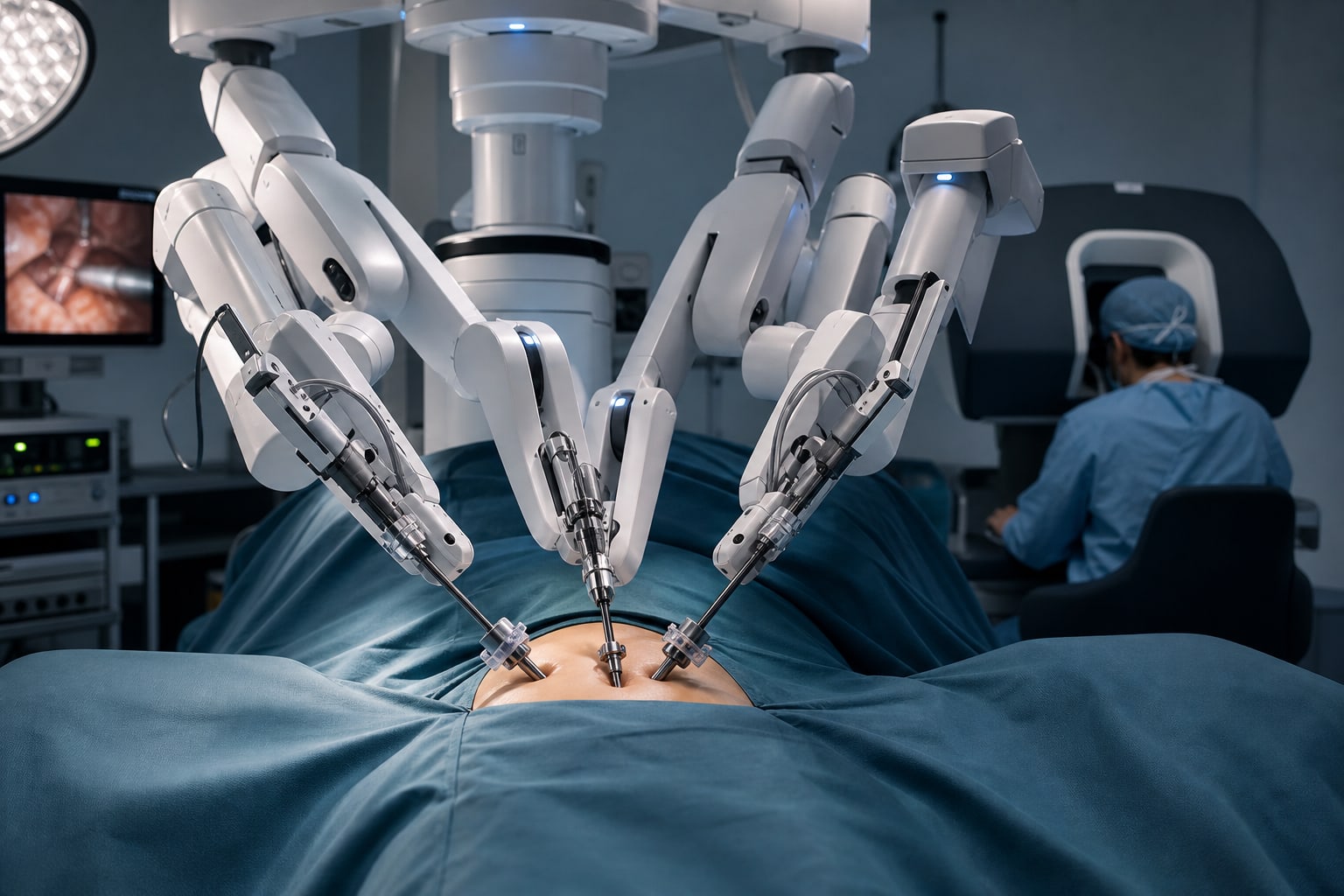
Parabacteroides Enhances Bariatric Surgery Outcomes After Truncal Vagotomy
Overview
This study demonstrates that sleeve gastrectomy combined with truncal vagotomy (SG-TV) in diet-induced obese mice leads to greater reductions in body weight and fasting blood glucose compared to sleeve gastrectomy alone or sham surgery. The SG-TV group showed distinct gut microbiota changes, notably an increase in the genus Parabacteroides and the polyketide sugar unit biosynthesis pathway, suggesting these factors contribute to improved metabolic outcomes.
Background
Obesity is a growing global health issue, with bariatric surgery (BS) being the most effective treatment. Sleeve gastrectomy (SG) is the most commonly performed BS procedure. The vagus nerve plays a key role in appetite regulation and body weight control, and truncal vagotomy (TV) has historically been used for weight loss. BS alters gut microbiota composition, but the interaction between vagotomy, BS, and gut microbiota remains unclear. This study investigates how SG and SG combined with TV affect gut microbiota and metabolic parameters in obese mice.
Data Highlights
Group
Body Weight at 12 weeks (g)
Fasting Blood Glucose Trend
SG-TV
24.50 ± 2.52
Marked decrease
SG
33.62 ± 3.63
Decrease
SH (Sham)
43.29 ± 2.35
Trend to recover to pre-op level
Key Findings
SG-TV resulted in the greatest reduction in body weight and fasting blood glucose compared to SG alone and sham surgery.
Gut microbiota composition changed distinctly after SG and SG-TV, with SG-TV showing unique microbial shifts.
Parabacteroides genus abundance increased significantly in the SG-TV group.
The polyketide sugar unit biosynthesis metabolic pathway was enriched in the SG-TV group.
These microbial and metabolic changes are associated with improved weight loss and glucose regulation.
Clinical Implications
Combining truncal vagotomy with sleeve gastrectomy may enhance the metabolic benefits of bariatric surgery by modulating gut microbiota, particularly increasing Parabacteroides. Understanding the microbiome changes post-surgery could guide personalized interventions to optimize weight loss and glycemic control. Future clinical strategies might consider targeting the vagus nerve and microbiota to improve bariatric surgery outcomes.
Conclusion
The addition of truncal vagotomy to sleeve gastrectomy induces distinct gut microbiota alterations, notably increasing Parabacteroides, which correlates with superior weight loss and glucose control in obese mice. These findings highlight the microbiome-vagus nerve axis as a potential therapeutic target in bariatric surgery.
References
Lu et al. 2019 -- Gut Microbial Changes After Sleeve Gastrectomy
Sanchez-Alcoholado et al. 2020 -- Microbiota in Severe Obesity Post-SG
Zhang et al. 2023 -- Effects of Truncal Vagotomy and Bariatric Surgery on Gut Microbiota