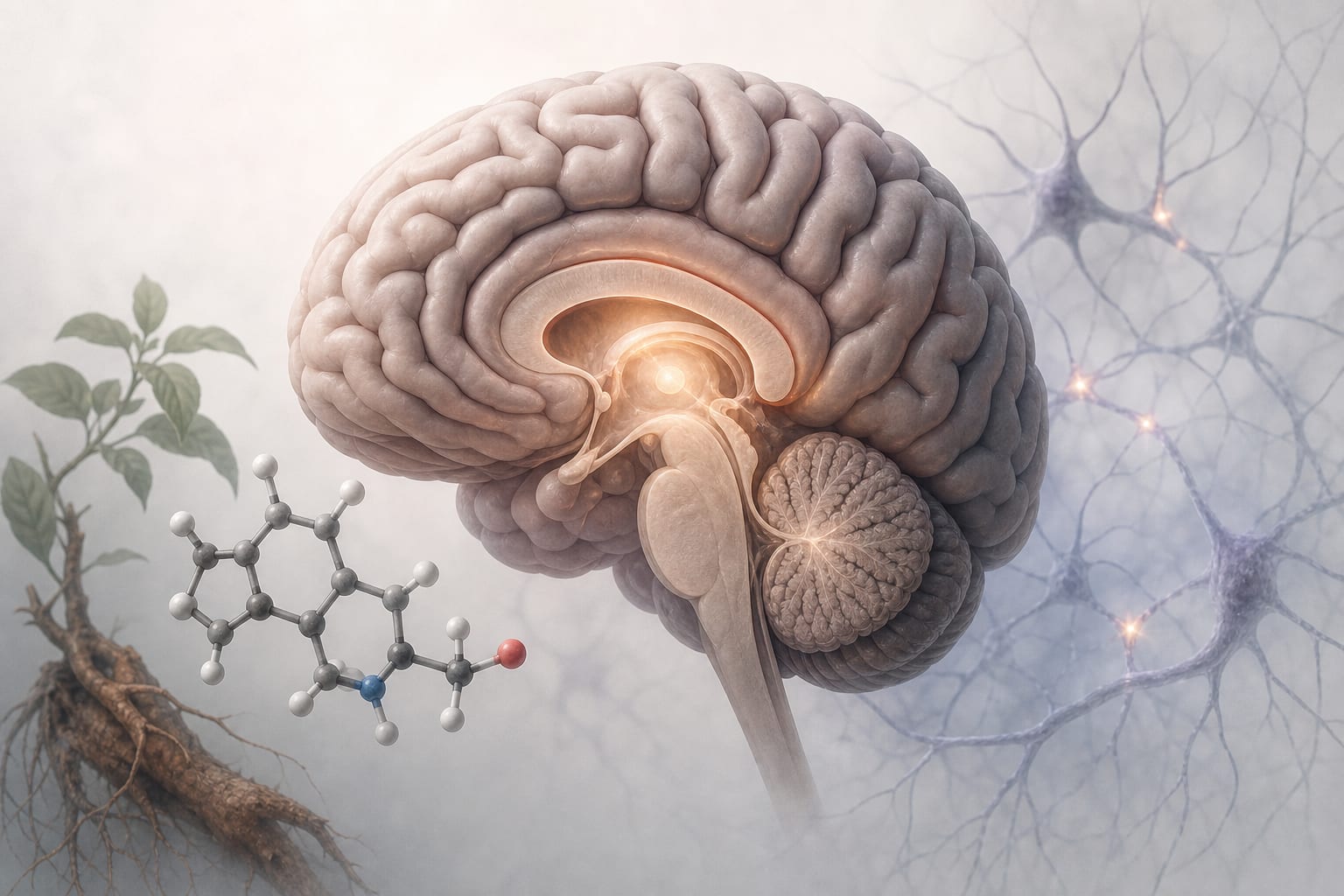
Clinical Report: Long-term Abstinence Achieved in Severe Ketamine Use Disorder
Overview
This case study presents a 30-year-old male with severe ketamine use disorder who achieved long-term abstinence following ibogaine treatment. The patient demonstrated improvements in cravings, depression, and overall quality of life over a 17-month follow-up period.
Background
Substance use disorders, particularly those involving ketamine, cocaine, and alcohol, pose significant treatment challenges due to high relapse rates and limited pharmacological options. Ketamine dependence is increasingly recognized, especially among young adults with psychiatric comorbidities.
Data Highlights
Assessment
Before Treatment
After Treatment
PHQ-9 (Depression)
0–3
0
WHOQOL-BREF (Quality of Life)
55
71
Key Findings
The patient had a five-year history of severe polysubstance dependence, including daily ketamine use.
Following ibogaine treatment, the patient reported an immediate cessation of cravings for all substances.
Longitudinal follow-up showed sustained abstinence from ketamine, cocaine, and alcohol over 17 months.
Improvements in depression and quality of life were documented through standardized assessments.
Clinical Implications
The findings suggest that ibogaine may offer a novel treatment avenue for individuals with severe ketamine use disorder. Further controlled clinical trials are warranted to evaluate the safety and efficacy of ibogaine in this context.
Conclusion
This case study provides evidence for the potential of ibogaine in treating chronic ketamine dependence.