Clinical Report: The Role of an Immunosuppressive Microenvironment in Glioblastoma Tumors
Background
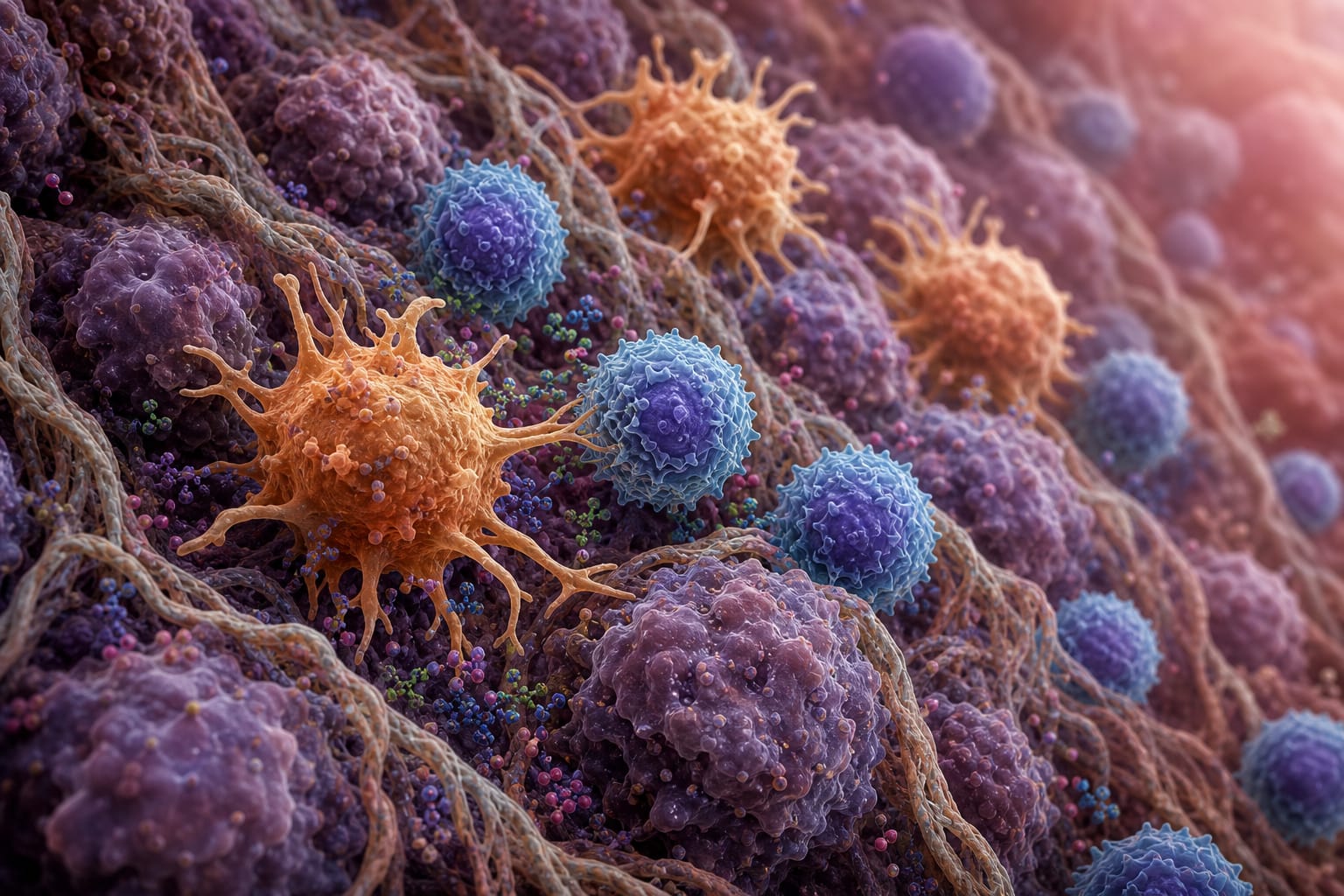
Glioblastoma (GBM) is a highly aggressive brain tumor characterized by a profoundly immunosuppressive tumor microenvironment. This microenvironment presents significant challenges for effective immunotherapy, limiting the potential for durable responses. Understanding the mechanisms of immune suppression in GBM is crucial for developing effective treatment strategies.
Data Highlights
No numerical data available in the source material.
Key Findings
GBM is characterized by a profoundly immunosuppressive tumor microenvironment.
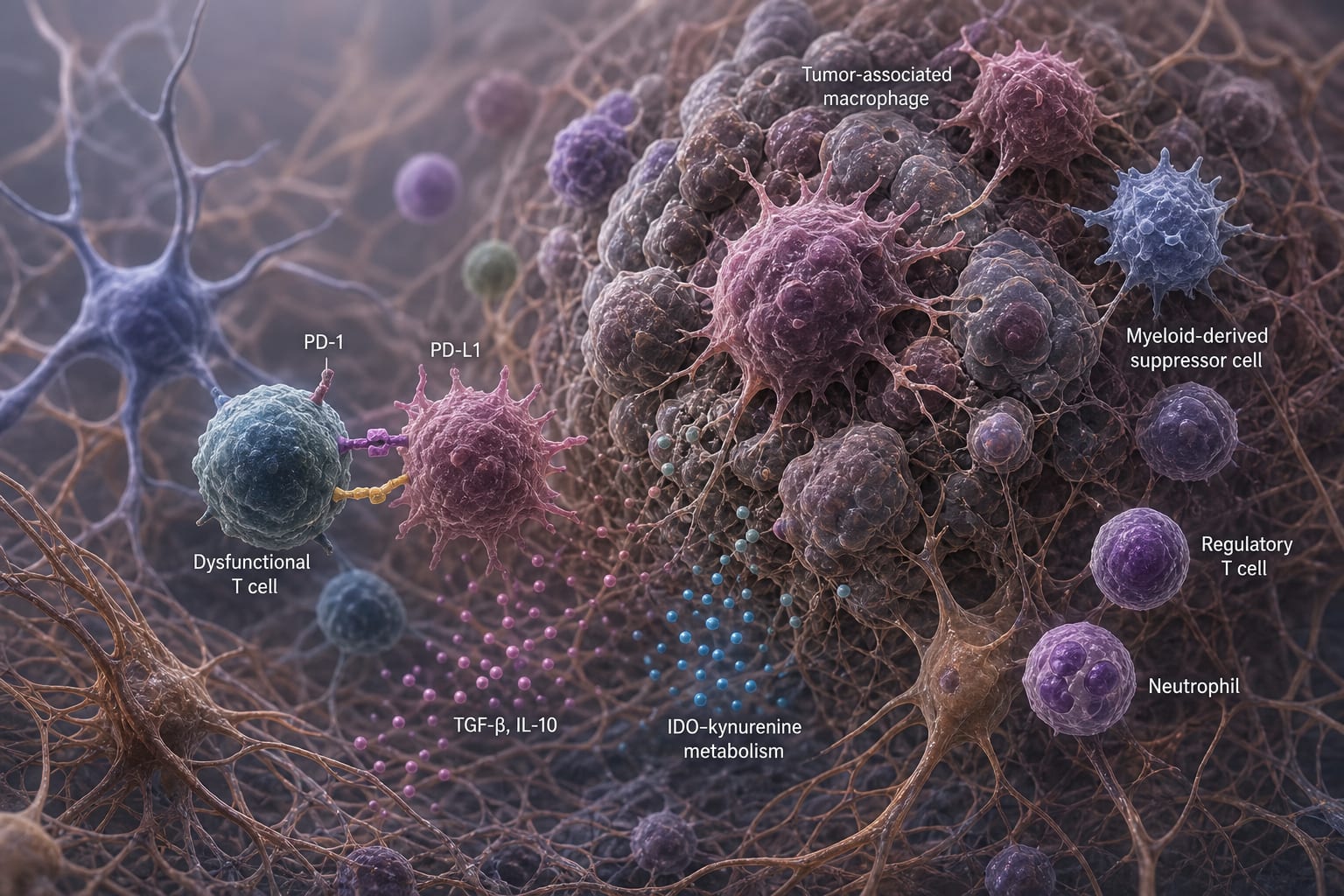
Key immune cells involved include tumor-associated macrophages, microglia, and myeloid-derived suppressor cells.
Pathways such as TGF-β/SMAD and IL-10/STAT3 contribute to immune evasion by suppressing lymphocyte function.
Metabolic pathways, including IDO-mediated tryptophan catabolism and arginase-1-mediated amino acid depletion, restrict T-cell activation.
Checkpoint ligands like PD-L1 and VISTA inhibit T-cell activity, sustaining local immunosuppression.
Emerging therapeutic strategies aim to reprogram the tumor microenvironment to enhance immune responses.
Clinical Implications
A comprehensive understanding of the mechanisms underlying immune suppression in GBM is essential for developing combination therapies.
Conclusion
The immunosuppressive microenvironment in GBM poses significant barriers to effective treatment. Continued research into these mechanisms is vital for advancing therapeutic strategies.
Dr. Alicia Morgans of Dana-Farber Cancer Institute reported at #ASCO26 that ARACOG found darolutamide was associated with less decline in cognitive testing than enzalutamide, which may help guide treatment choice.