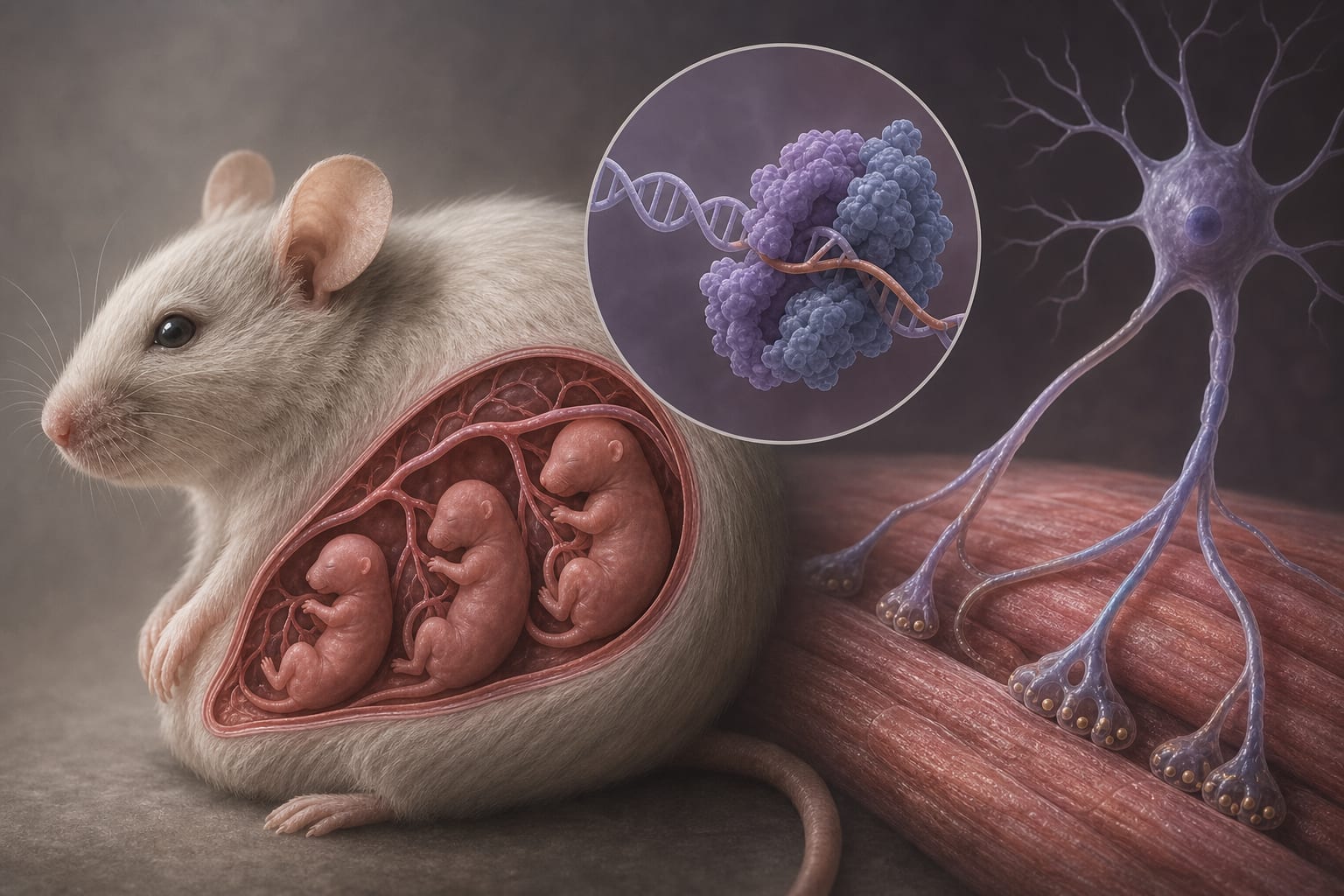
Clinical Report: Maternal and Fetal Delivery of Risdiplam in SMA Model
Background
Spinal muscular atrophy (SMA) is a severe neuromuscular disorder linked to mutations in the SMN1 gene, leading to reduced SMN protein levels. Early diagnosis and intervention are crucial, as disease progression can begin in utero, particularly in infants with fewer SMN2 gene copies. Current therapies are approved for postnatal use.
Data Highlights
No numerical data or trial data presented in the source material.
Key Findings
Risdiplam administered prenatally in a mouse model improved motor axon development and survival.
Intra-amniotic delivery of therapies has shown promise in increasing SMN protein levels in the central nervous system.
Newborns with 2 copies of SMN2 may experience disease progression without overt symptoms.
Current disease-modifying therapies (DMTs) are FDA-approved only for postnatal administration.
Clinical Implications
The findings suggest that prenatal administration of risdiplam could be a viable strategy to enhance outcomes in SMA. Clinicians should consider the potential for early therapeutic intervention in cases of antenatal diagnosis.
Conclusion
The study underscores the importance of early intervention in SMA and the potential role of risdiplam in prenatal therapy, warranting further investigation.