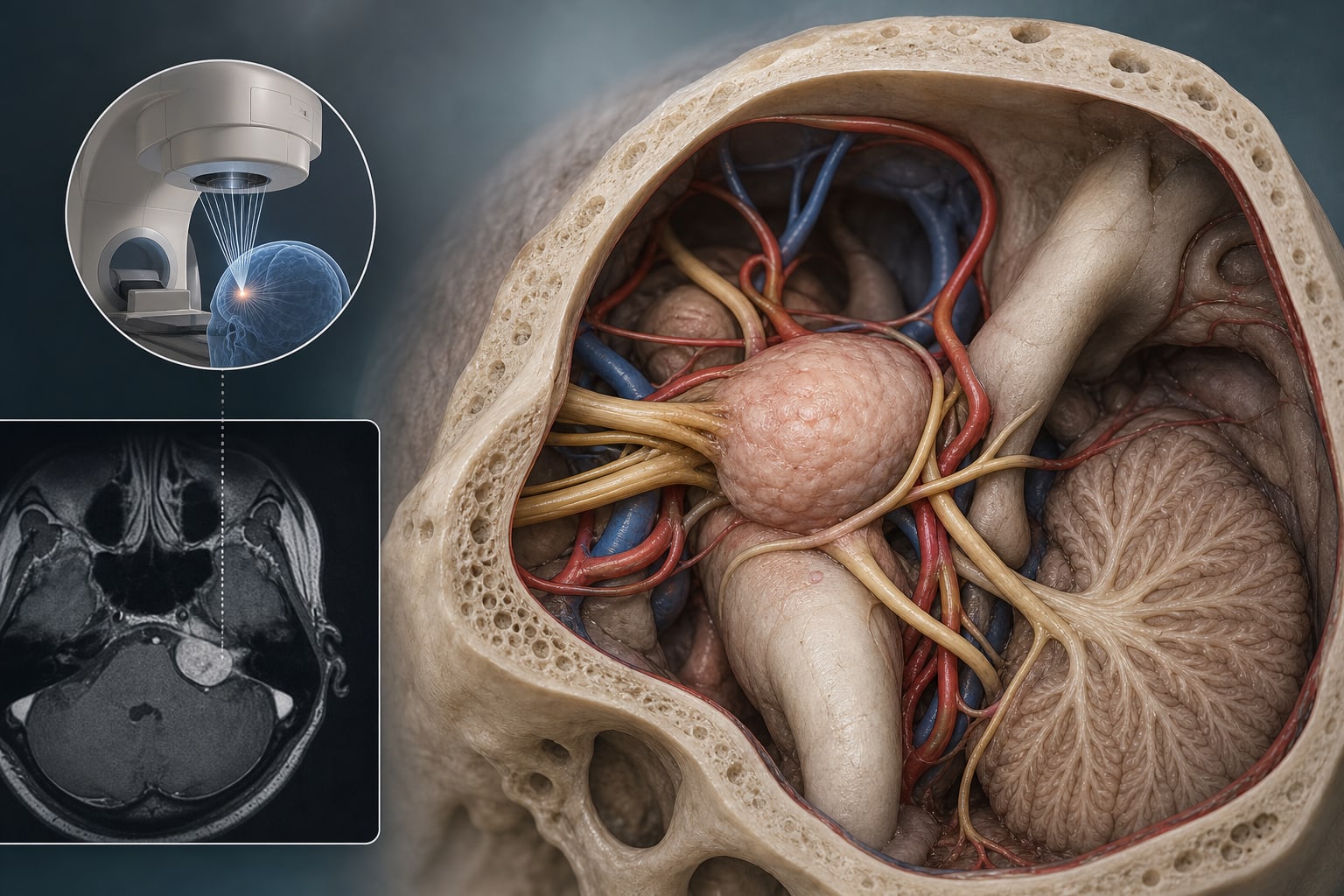
Awake Craniotomy Does Not Increase Psychological Issues in Brain Tumour Patients
Overview
This study evaluated psychological outcomes in brain tumour patients undergoing awake-awake-awake craniotomy. Findings indicate no increase in anxiety, depression, or post-traumatic stress symptoms postoperatively, and PTSD is rare in this population.
Background
Awake craniotomy is increasingly used for brain tumour surgery, especially when tumours are located in eloquent brain areas. This technique allows maximal tumour resection while preserving neurological function by intraoperative brain mapping. Although awake craniotomy improves neurological outcomes and reduces hospital stay, concerns exist about potential psychological impacts due to patient consciousness during surgery. Prior research on PTSD and psychological complaints after awake craniotomy is limited and inconclusive.
Data Highlights
In a cohort of 102 patients undergoing awake-awake-awake craniotomy at UMC Utrecht, psychological assessments were conducted pre- and postoperatively. Previous small studies reported 1 in 8 patients experiencing PTSD symptoms, but no patients met full PTSD criteria. Recent data show no increase in psychological complaints after surgery.
Key Findings
Awake craniotomy allows more extensive tumour resection with fewer neurological deficits compared to surgery under general anaesthesia.
PTSD and PTSD symptoms are rare following awake craniotomy, with no patients meeting full PTSD criteria in reviewed studies.
Psychological complaints such as anxiety and depression do not increase after awake-awake-awake craniotomy.
The discovery of a brain tumour and its diagnosis may be traumatic, but surgery itself does not appear to exacerbate psychological distress.
Awake-awake-awake procedure avoids sedation-related risks and may improve patient cooperation during surgery.
Clinical Implications
Clinicians can reassure patients that awake craniotomy, including the awake-awake-awake technique, does not increase the risk of psychological issues such as PTSD, anxiety, or depression. This supports the use of awake procedures for maximal tumour resection without added psychological burden. Monitoring psychological symptoms remains important given the overall impact of brain tumour diagnosis.
Conclusion
Awake craniotomy is a safe and effective surgical approach that does not result in higher incidence of psychological problems. Patients tolerate the procedure well without increased postoperative psychological complaints.
References
Milian et al. 2014 -- Review of PTSD after Awake Craniotomy
Edmondson 2014 -- Enduring Somatic Threat Model
UMCU Study 2014-2016 -- Psychological Outcomes after Awake Craniotomy