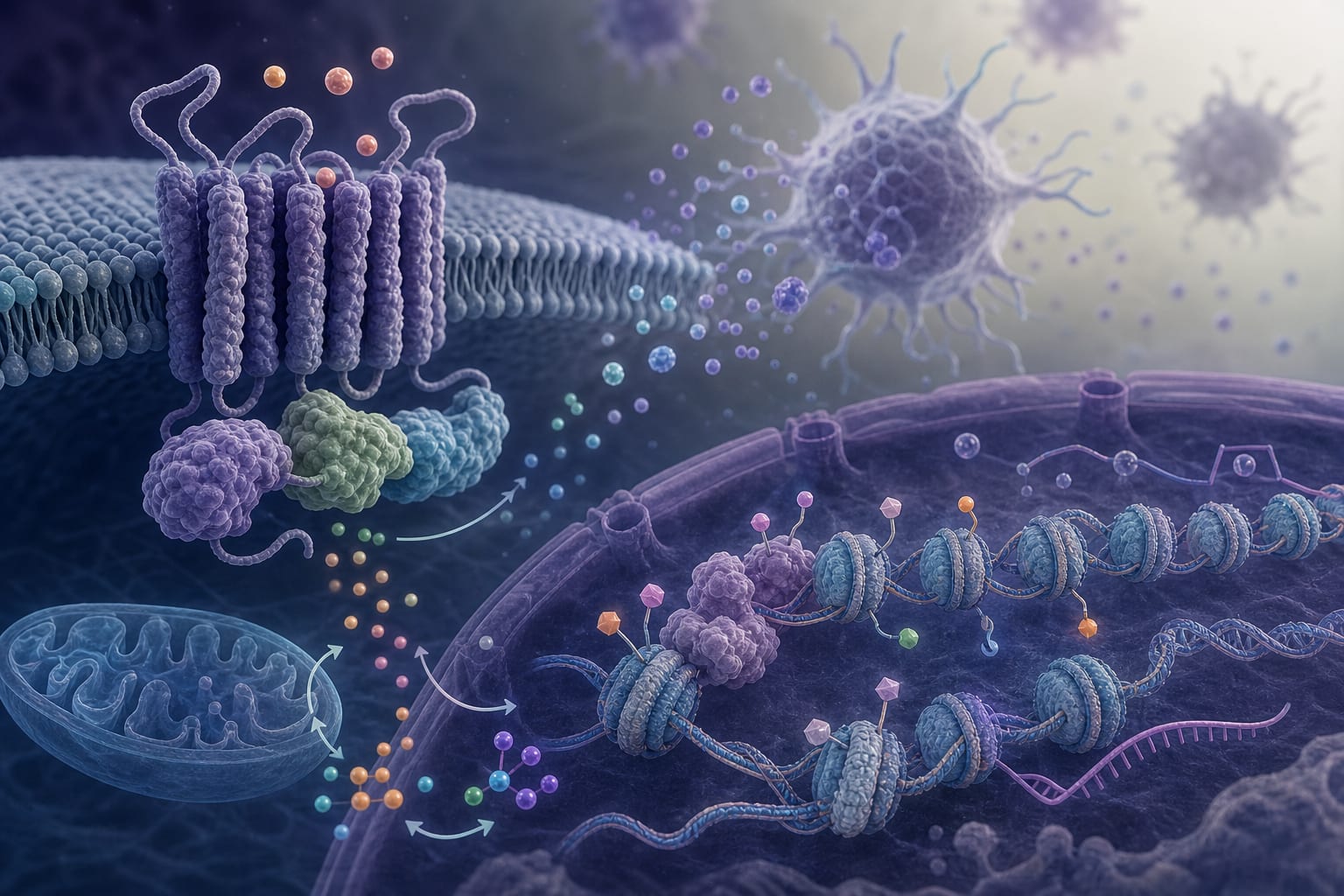
Long COVID as a network disorder: a mechanism-anchored framework for biological stratification and therapeutic targeting
-
By
-
Robert Groysman
-
May 29, 2026
-
0 min
Clinical Report: Understanding Long COVID as a Network Disorder
Overview
Long COVID is a biologically heterogeneous condition characterized by diverse symptoms and underlying mechanisms. This report proposes a framework for biological stratification to enhance treatment efficacy and understanding of the condition.
Background
Long COVID, or post-acute sequelae of SARS-CoV-2 infection, affects a significant number of individuals, leading to persistent symptoms that can vary widely. Understanding the biological underpinnings of these symptoms is crucial for developing targeted therapies and improving patient outcomes. Current symptom-based approaches may overlook the complexity of underlying pathophysiological mechanisms.
Data Highlights
No specific numerical data provided in the source material.
Key Findings
- Long COVID is characterized by a range of symptoms including fatigue, cognitive dysfunction, and gastrointestinal disturbances.
- Biological heterogeneity suggests multiple interacting physiological systems contribute to symptom persistence.
- Mechanisms such as autonomic dysfunction, mitochondrial impairment, and gut dysbiosis are identified as key domains.
- Secondary processes like immune activation and neuroinflammation may amplify symptoms across different domains.
- A proposed framework emphasizes the need for mechanism-guided stratification in clinical trials.
Clinical Implications
Clinicians should consider the biological diversity of Long COVID when evaluating and treating patients. A mechanism-informed approach may enhance the precision of therapeutic interventions and improve patient management strategies.
Conclusion
The proposed network disorder framework for Long COVID highlights the importance of understanding biological mechanisms in developing effective treatments. Future research should focus on validating this framework to improve clinical outcomes.
Related Resources & Content
- Acta Neuropathologica (Springer), 2026 -- Pathogenic IgG from long COVID patients with neurological sequelae triggers sensitive but not cognitive impairments upon transfer into mice
- Open Forum Infectious Diseases, 2026 -- Association of Viral Load and Disease Severity in Acute SARS-CoV-2 Infection with the Development of Long COVID Symptoms
- Frontiers in Immunology, 2026 -- Multi-omics analysis of long COVID (post-COVID-19 condition) reveals persistent mitochondrial dysfunction, suppressed oxidative phosphorylation, and immune dysregulation
- Open Forum Infectious Diseases, 2026 -- Long COVID Symptoms Evaluated Digitally Show Links to Lymphocyte Mitochondrial Impairment and Immune Function Changes
- Long COVID Clinical Guidance | Long COVID | CDC, 2026
- Nirmatrelvir-ritonavir versus placebo-ritonavir in individuals with long COVID in the USA (PAX LC): a double-blind, randomised, placebo-controlled, phase 2, decentralised trial - PubMed, 2026
- Clinical practice guideline for long COVID prevention and treatment | European Respiratory Society, 2026
- Long COVID Clinical Guidance | Long COVID | CDC
- Nirmatrelvir-ritonavir versus placebo-ritonavir in individuals with long COVID in the USA (PAX LC): a double-blind, randomised, placebo-controlled, phase 2, decentralised trial - PubMed
- Clinical practice guideline for long COVID prevention and treatment | European Respiratory Society
This content is an AI-generated, fully rewritten summary based on a published scholarly article. It does not reproduce the original text and is not a substitute for the original publication. Readers are encouraged to consult the source for full context, data, and methodology.