Assessing retina-specific ophthalmic counseling generated by an early public large language model across different levels of clinical urgency - Report - MDSpire
Advertisement
Assessing retina-specific ophthalmic counseling generated by an early public large language model across different levels of clinical urgency
Clinical Report: Evaluating the Quality of Retina-Focused Ophthalmic Guidance
Overview
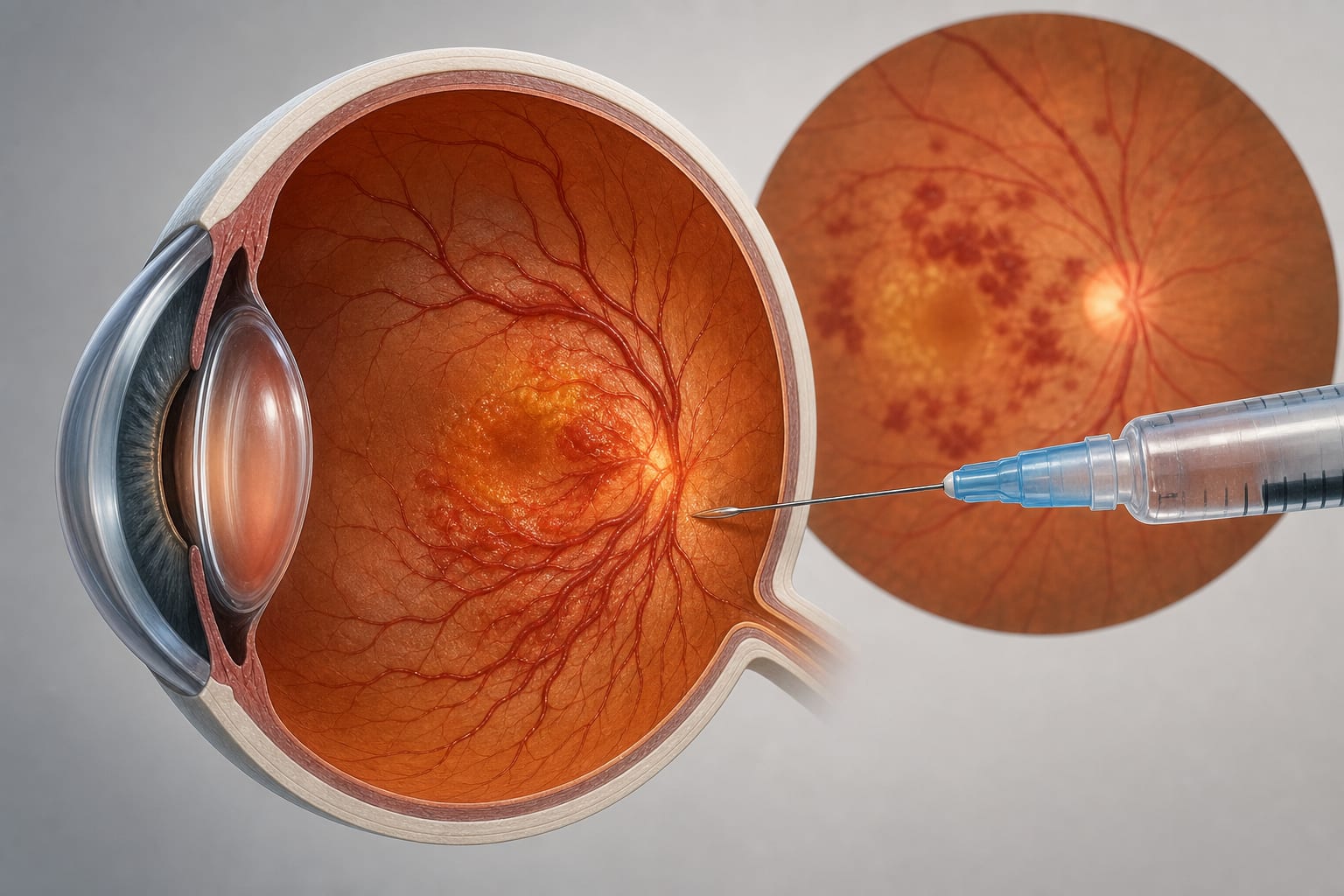
This study evaluates the quality of ophthalmic counseling generated by a large language model (LLM) across varying clinical urgency levels for retinal conditions. Findings indicate that counseling accuracy varies significantly with clinical urgency, particularly for retinal detachment scenarios.
Background
The use of large language models (LLMs) in healthcare is growing, particularly for patient education and counseling. This study specifically addresses how LLMs perform in delivering counseling for retinal conditions with differing urgency levels.
Data Highlights
Outcome Measure
Result
Counseling Accuracy
Varied by urgency (p = 0.002)
High vs Low Urgency AMD
No significant difference (p = 0.081)
High vs Low Urgency DR
No significant difference (p = 0.5)
High vs Low Urgency RD
Significant difference (p < 0.001)
Readability Requirement
College graduation level needed
Common Understanding Issues
Too much medical terminology (49%), non-medical terminology (45%)
High-urgency AMD and RD scenarios showed significant discrepancies in counseling urgency (p = 0.013 and p < 0.001, respectively).
Empathy in counseling did not vary significantly across urgency levels (p = 0.2).
Readability assessments indicated that all outputs required a college graduation level to understand.
Common barriers to understanding included excessive medical and non-medical terminology.
Clinical Implications
Healthcare professionals should be aware of the limitations in the accuracy and readability of LLM-generated counseling, particularly in high-urgency scenarios.
Conclusion
The study reveals that while LLMs can provide counseling for retinal conditions, their performance varies significantly with clinical urgency.
In partnership with members and industry stakeholders, OOSS supports strategies that enhance patient and physician experience, drive operational performance, and enable long-term growth.
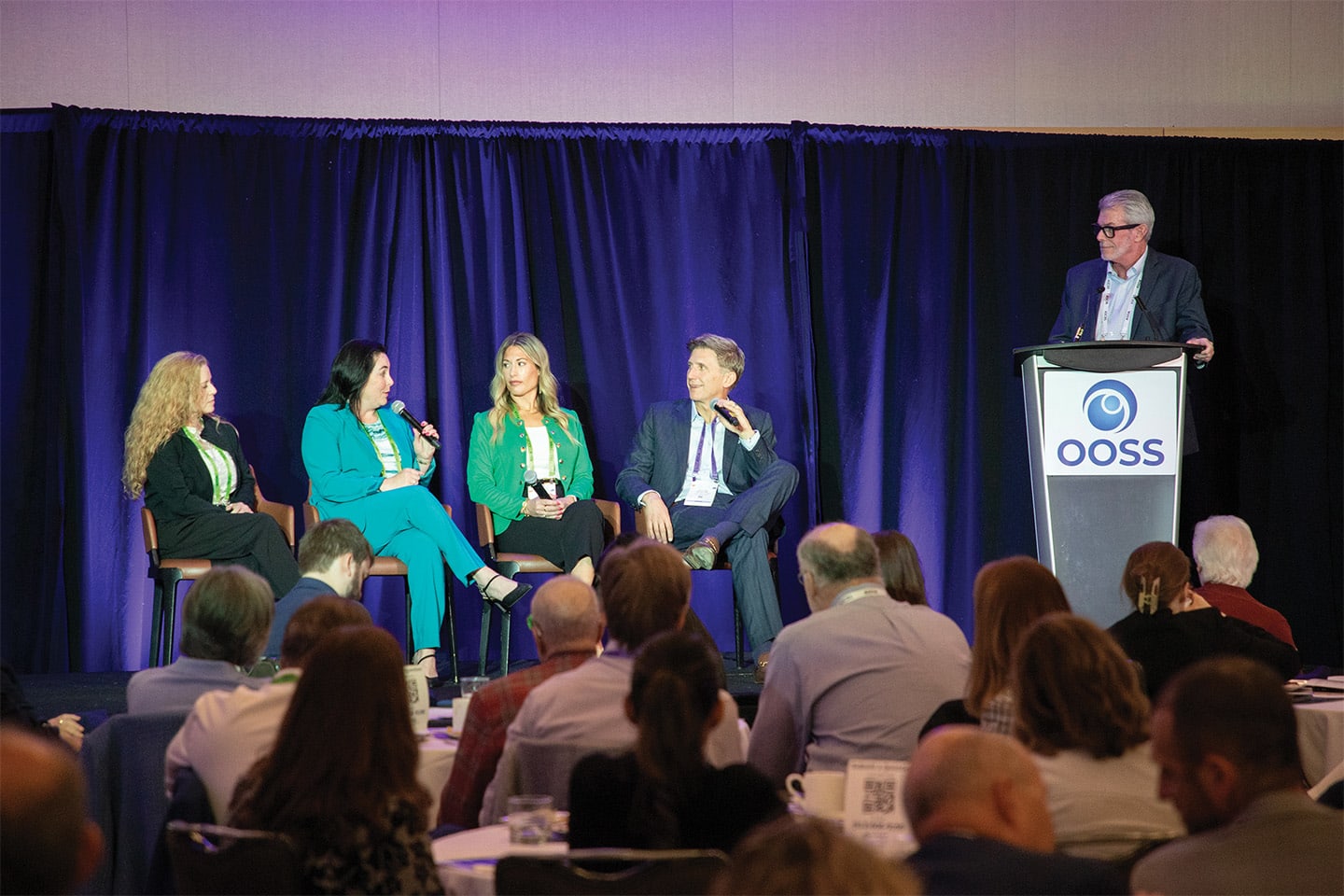
For ASCs seeking long-term stability, panelists at the OOSS symposium agreed that success will depend on understanding the full range of anesthesia delivery models and choosing the approach that best aligns with each organization’s goals and resources.