4,4′-DMAR in-vivo acute cardiotoxicity: differences between (±)cis-4,4′-DMAR and its coadministration with the (±)trans-4,4′-DMAR isomer - Report - MDSpire
Acute Cardiotoxic Effects of 4,4′-DMAR in Vivo: Comparative Analysis
Overview
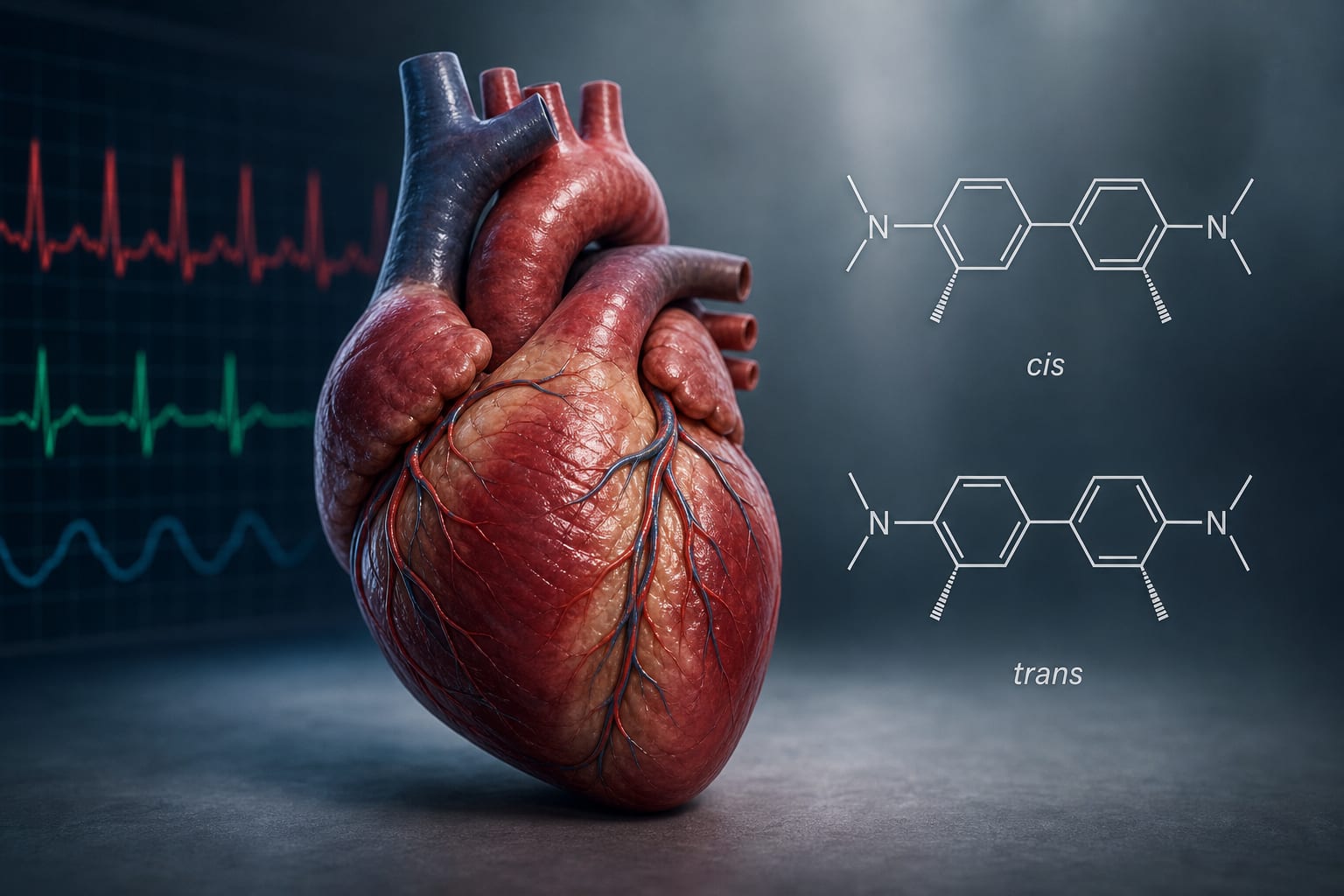
This study investigates the cardiorespiratory toxicity of (±)cis-4,4′-DMAR and its coadministration with (±)trans-4,4′-DMAR in male mice. Significant adverse effects, including tachycardia and arrhythmias, were observed, emphasizing the dangers associated with these synthetic stimulants.
Background
Synthetic stimulants, particularly those in the aminorex class, are increasingly prevalent and linked to severe health risks, including cardiac toxicity. 4,4′-DMAR, a notable member of this class, has been implicated in numerous cases of intoxication and fatalities. Understanding its toxicological profile is crucial for public health and clinical management.
Administration of (±)cis-4,4′-DMAR resulted in dose-dependent tachycardia.
Coadministration with (±)trans-4,4′-DMAR exacerbated cardiac effects.
Significant alterations in inflammation and oxidative stress markers were observed in heart specimens.
Narrow-QRS arrhythmias were noted following treatment.
Cardiac and respiratory toxicity varied with dosage and stereoisomer combination.
Clinical Implications
Healthcare professionals should be aware of the severe cardiotoxic effects associated with 4,4′-DMAR, particularly in cases of coadministration with its stereoisomer. Monitoring and managing cardiovascular parameters in patients presenting with stimulant intoxication is essential.
Conclusion
The findings underscore the acute toxicity of 4,4′-DMAR, highlighting the need for caution in its use and the importance of understanding its pharmacological effects.
Ahead of ISC2026 in Prague, Jennifer Van Eyk explains how scalable LC-MS workflows and single-cell proteomics are helping reveal the biological differences that could make precision medicine a clinical reality