Clinical Report: Understanding the Mechanisms of Gut Homeostasis in AS
Overview
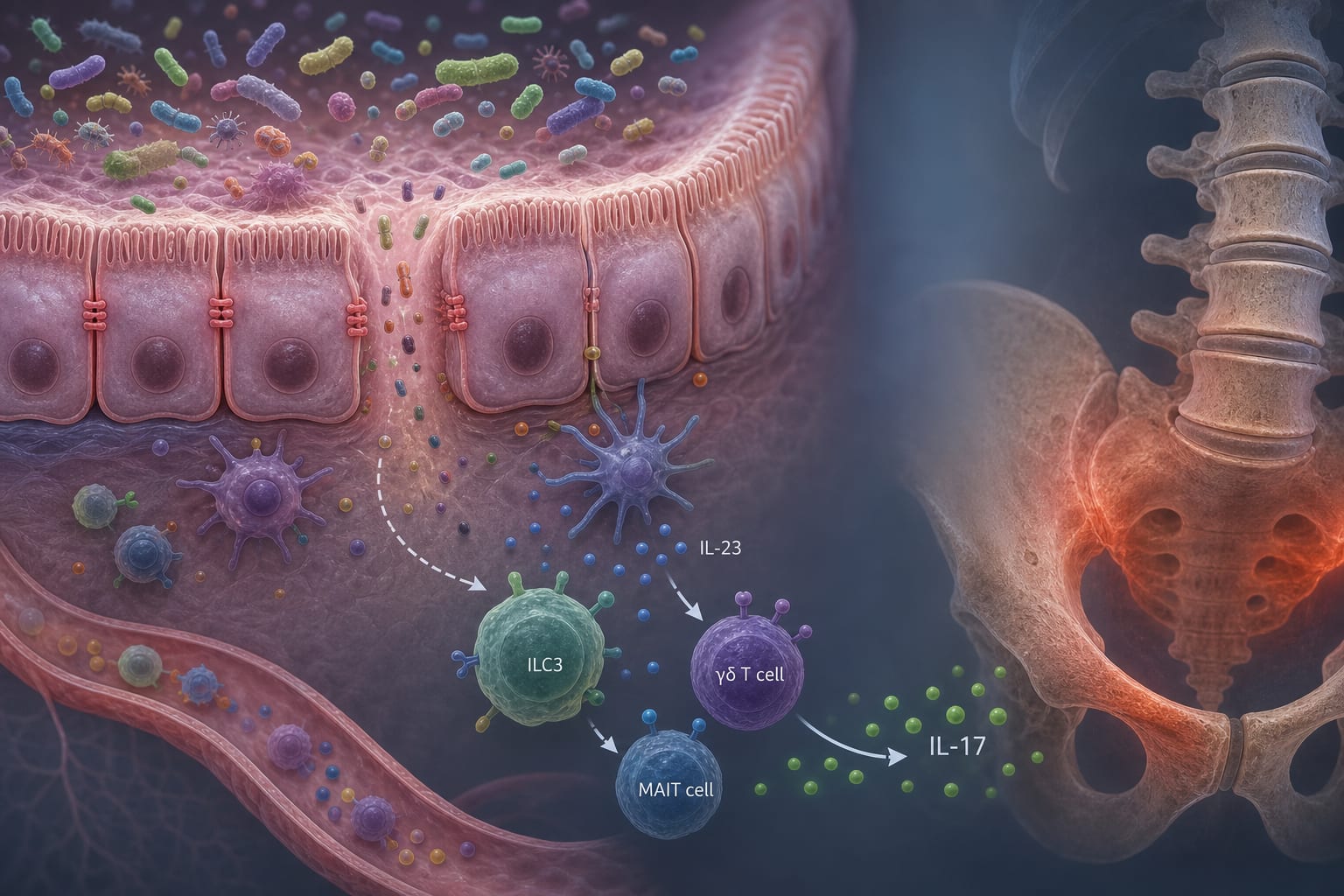
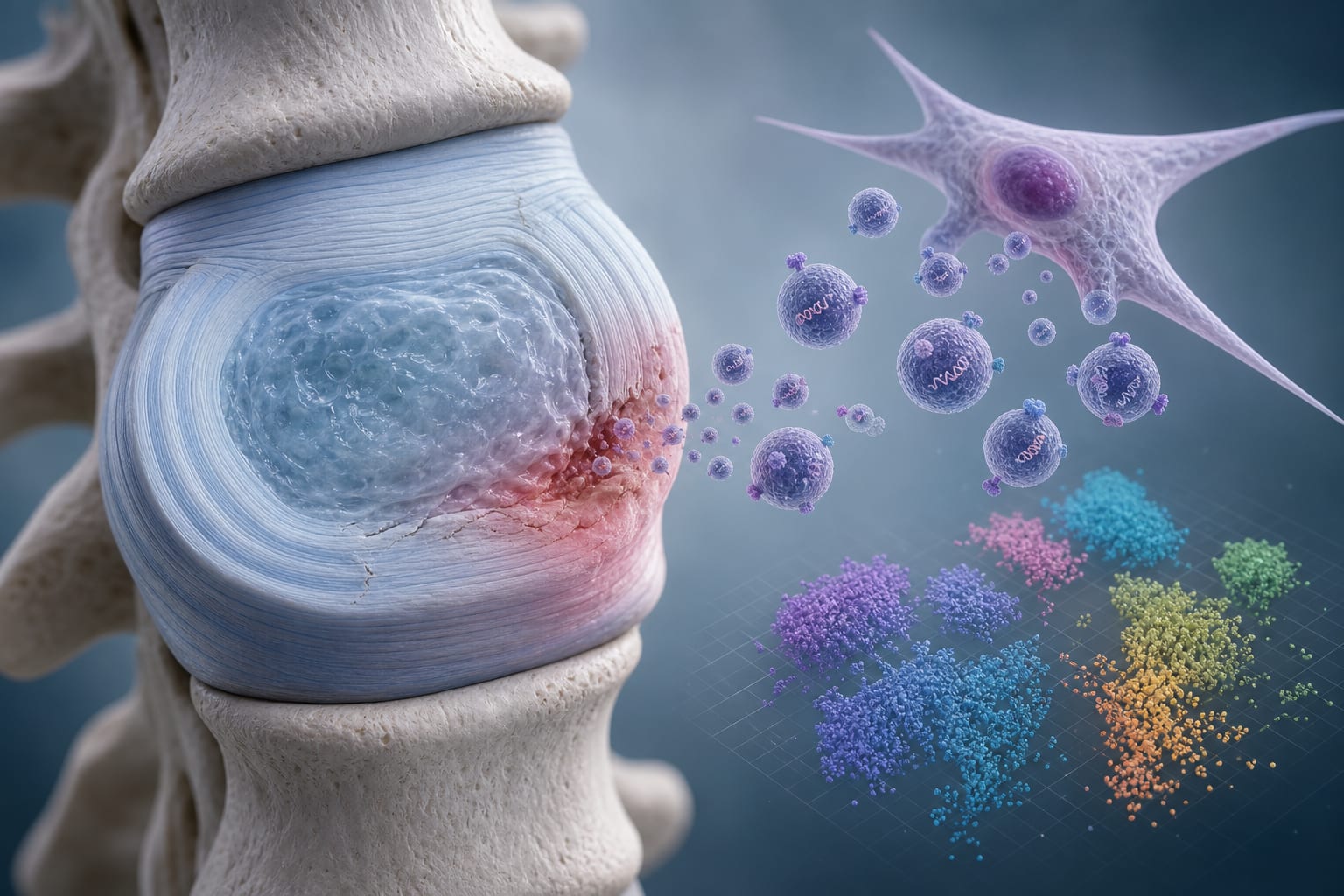
This report discusses the multifactorial pathogenesis of ankylosing spondylitis (AS), emphasizing the role of gut dysbiosis and immune interactions.
Background
Ankylosing spondylitis (AS) is a chronic inflammatory disease primarily affecting the axial skeleton, with a well-established association with HLA-B27.
Data Highlights
No specific numerical data or trial results are presented in the source material.
Key Findings
AS is characterized by gut dysbiosis, including reduced microbial diversity and compositional shifts.
Altered microbial signals may activate the IL-23/IL-17 axis, contributing to inflammation and bone remodeling.
Microbial metabolites, such as short-chain fatty acids, play a role in maintaining epithelial integrity and immune regulation.
Histological evidence indicates intestinal inflammation in AS, with some patients developing inflammatory bowel disease.
Variability in microbial taxa associated with AS may reflect inflammation, treatment exposure, and host genetics.
Clinical Implications
Healthcare professionals should consider the potential impact of gut health on AS management. Monitoring gut microbiota and intestinal integrity may provide insights into disease progression and treatment responses.
Conclusion
The interplay between gut microbiota and immune mechanisms is critical in understanding AS pathogenesis. Further research may lead to innovative therapeutic strategies targeting the gut–joint axis.