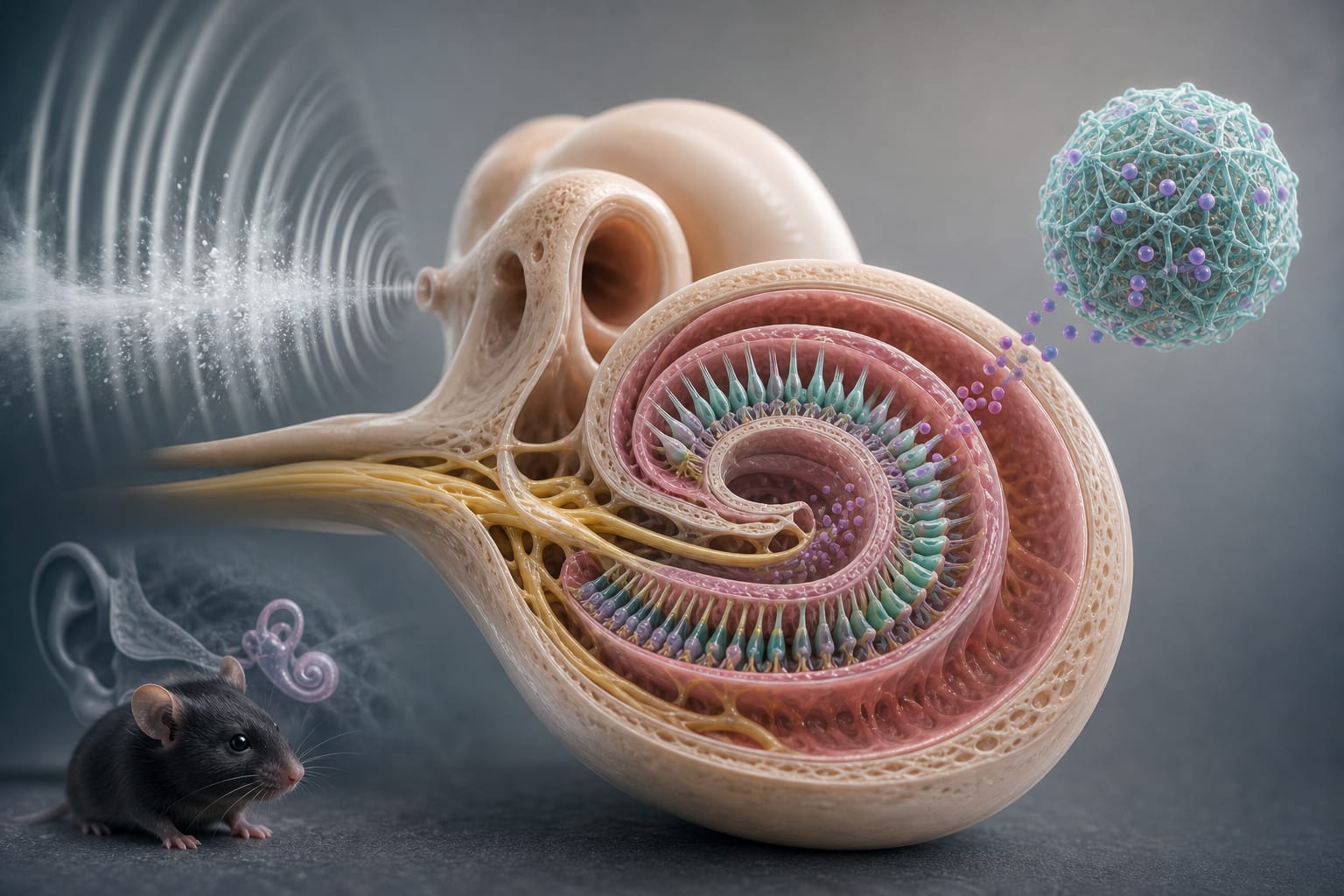
Assessing the Quality of Meniere's Disease Information on TikTok in China: A Physician-Centric Perspective
-
By
-
Xin Wang
-
Dongling Lian
-
Zeyang Liu
-
February 1, 2026
Clinical Report: Assessing the Quality of Meniere's Disease Information on TikTok
Overview
This study evaluates the quality of Meniere's disease-related videos on TikTok in China. It highlights the need for reliable health information on social media platforms, given the increasing reliance on such sources by patients.
Background
Meniere's disease is a complex condition characterized by recurrent vertigo and hearing loss, affecting a significant number of adults, particularly middle-aged women. With the rise of social media as a primary source of health information, it is crucial to assess the quality of content available to patients. TikTok, with its vast user base in China, presents both opportunities and challenges in disseminating accurate health information.
Data Highlights
No numerical data was provided in the source material.
Key Findings
- The study assessed 83 TikTok videos related to Meniere's disease.
- Video quality was evaluated using four validated assessment tools.
- Discrepancies in video ratings were resolved through discussion and arbitration among authors.
- Social media platforms like TikTok can significantly influence public health information dissemination.
- There is a need for content creators to ensure the accuracy and reliability of health-related videos.
Clinical Implications
Healthcare professionals should be aware of the potential misinformation circulating on social media platforms like TikTok. It is essential to guide patients towards reliable sources of information and encourage content creators to prioritize accuracy in health-related videos.
Conclusion
The quality of Meniere's disease information on TikTok varies, highlighting the importance of critical evaluation of health content on social media. Improved standards for video content could enhance public understanding and management of this condition.
Related Resources & Content
- Clinical Rheumatology, 2023 -- Evaluation of the Quality and Trustworthiness of YouTube Videos for Educating Patients and Physicians on Inflammatory Myositis
- Ophthalmology Management, 2007 -- Misdiagnosis in Chinese Men
- BMC Psychiatry (Springer), 2025 -- Insights and Requirements of Elderly Individuals Regarding a Mental Health WeChat Application: A Qualitative Investigation
- npj Digital Medicine -- Digital mental health interventions in Chinese: a scoping review
- Diagnostic criteria for Ménière's disease -- memai.jp
- Systemic pharmacological interventions for Ménière's disease - PubMed
- Comparative efficacy of intratympanic gentamicin and intratympanic corticosteroid in the treatment of Meniere’s disease: a systematic review and meta-analysis
- https://www.memai.jp/wp-content/uploads/2023/11/Diagnostic-criteria-for-Menieres-disease.pdf
- Systemic pharmacological interventions for Ménière's disease - PubMed
- Comparative efficacy of intratympanic gentamicin and intratympanic corticosteroid in the treatment of Meniere’s disease: a systematic review and meta-analysis
Based on findings from:
Assessing the Quality of Meniere's Disease Information on TikTok in China: A Physician-Centric Perspective
Xin Wang, Dongling Lian, Zeyang Liu. Digital Health, 2026.
https://journals.sagepub.com/doi/10.1177/20552076261418919
This content is an AI-generated, fully rewritten summary based on a published scholarly article. It does not reproduce the original text and is not a substitute for the original publication. Readers are encouraged to consult the source for full context, data, and methodology.