Assessing the Importance of Lymphovascular Invasion Prediction in Invasive Lung Adenocarcinoma Patients Through Intratumoral and Peritumoral CT Radiomics Models - Report - MDSpire
Advertisement
Assessing the Importance of Lymphovascular Invasion Prediction in Invasive Lung Adenocarcinoma Patients Through Intratumoral and Peritumoral CT Radiomics Models
Clinical Report: Assessing the Importance of Lymphovascular Invasion Prediction in Invasive Lung Adenocarcinoma Patients Through Intratumoral and Peritumoral CT Radiomics Models
Overview
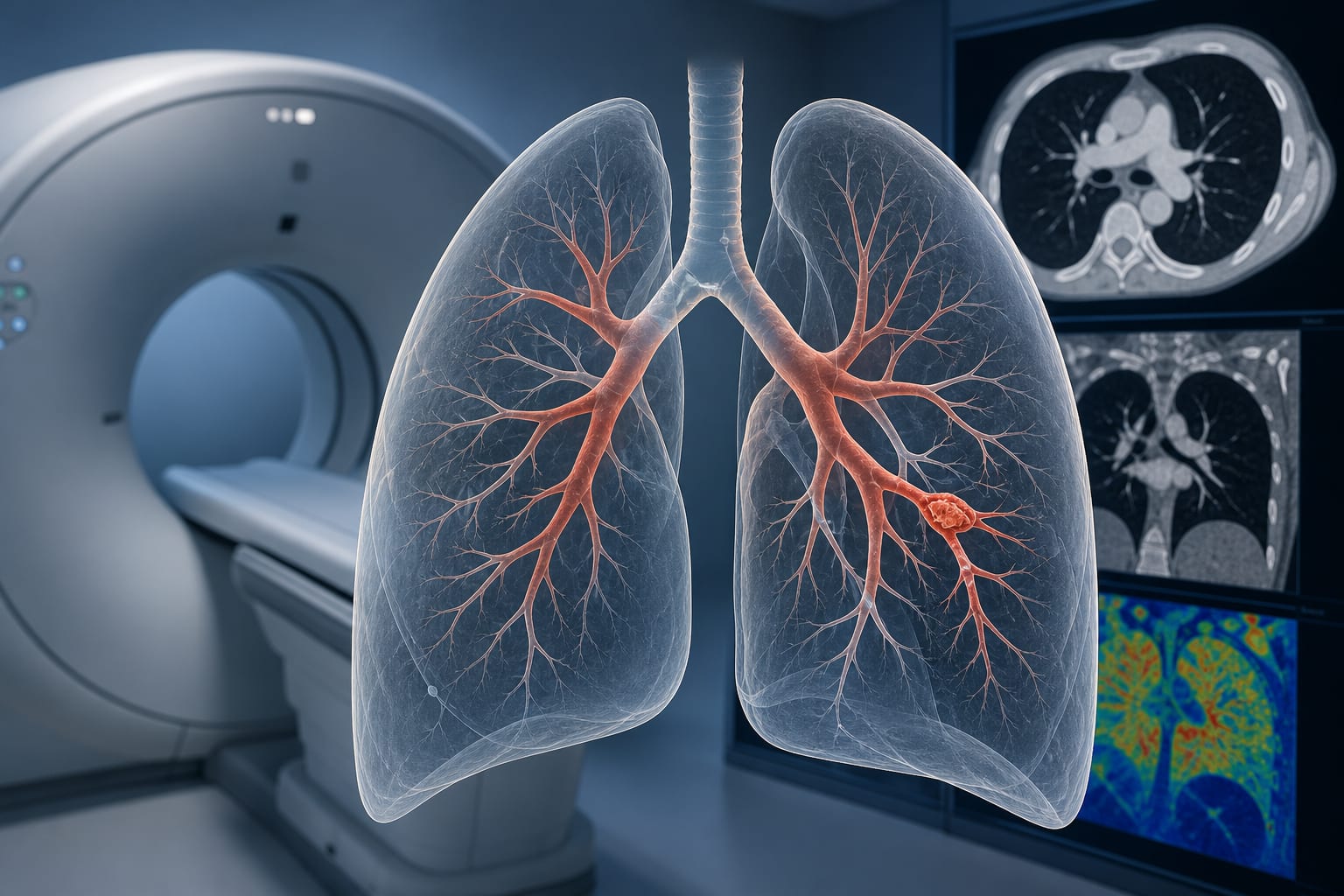
This study explores the development of a non-invasive model using CT radiomics to predict lymphovascular invasion (LVI) in patients with invasive lung adenocarcinoma (LUAD). The findings suggest that integrating intratumoral and peritumoral features can enhance the accuracy of LVI prediction, which is crucial for patient prognosis and treatment planning.
Background
Lung cancer remains the leading cause of cancer-related deaths globally, with adenocarcinoma being the most common subtype. LVI is a significant prognostic factor associated with higher recurrence rates and poorer survival outcomes in lung cancer patients. Despite its importance, LVI is not yet formally included in the TNM staging system, highlighting the need for improved predictive methods.
Data Highlights
No numerical data available in the source material.
Key Findings
LVI is a critical factor for assessing prognosis in lung adenocarcinoma patients.
Current methods for detecting LVI rely heavily on invasive pathology, which has limitations.
CT radiomics can provide non-invasive biomarkers for predicting LVI status.
The study proposes a combined model using GPT-Radscore and clinical factors to enhance prediction accuracy.
Peritumoral features may offer additional insights into LVI and tumor behavior.
Clinical Implications
The ability to predict LVI non-invasively can significantly impact treatment decisions and risk stratification for lung adenocarcinoma patients. Incorporating radiomic models into clinical practice may lead to more personalized treatment plans and improved patient outcomes.
Conclusion
This study underscores the potential of CT radiomics in predicting lymphovascular invasion in lung adenocarcinoma, which could enhance clinical decision-making and patient management strategies.