Emergence of Allergic Conditions Following SARS-CoV-2 Infection
Overview
SARS-CoV-2 infection is associated with a significantly increased risk of allergic diseases, particularly asthma and allergic rhinitis, with hazard ratios of 2.25 and 1.23, respectively. These risks persist beyond six months post-infection.
Background
Allergic diseases affect a substantial portion of the global population, with rising prevalence noted in recent years.
Data Highlights
Condition
Hazard Ratio (HR)
95% Confidence Interval (CI)
New-onset Asthma
2.25
1.80–2.83
Allergic Rhinitis
1.23
1.15–1.32
Atopic Dermatitis
1.15
0.96–1.37
Key Findings
SARS-CoV-2 infection is linked to increased incidence of allergic diseases, particularly asthma and allergic rhinitis.
Hazard ratios for new-onset asthma and allergic rhinitis are 2.25 and 1.23, respectively, persisting beyond six months post-infection.
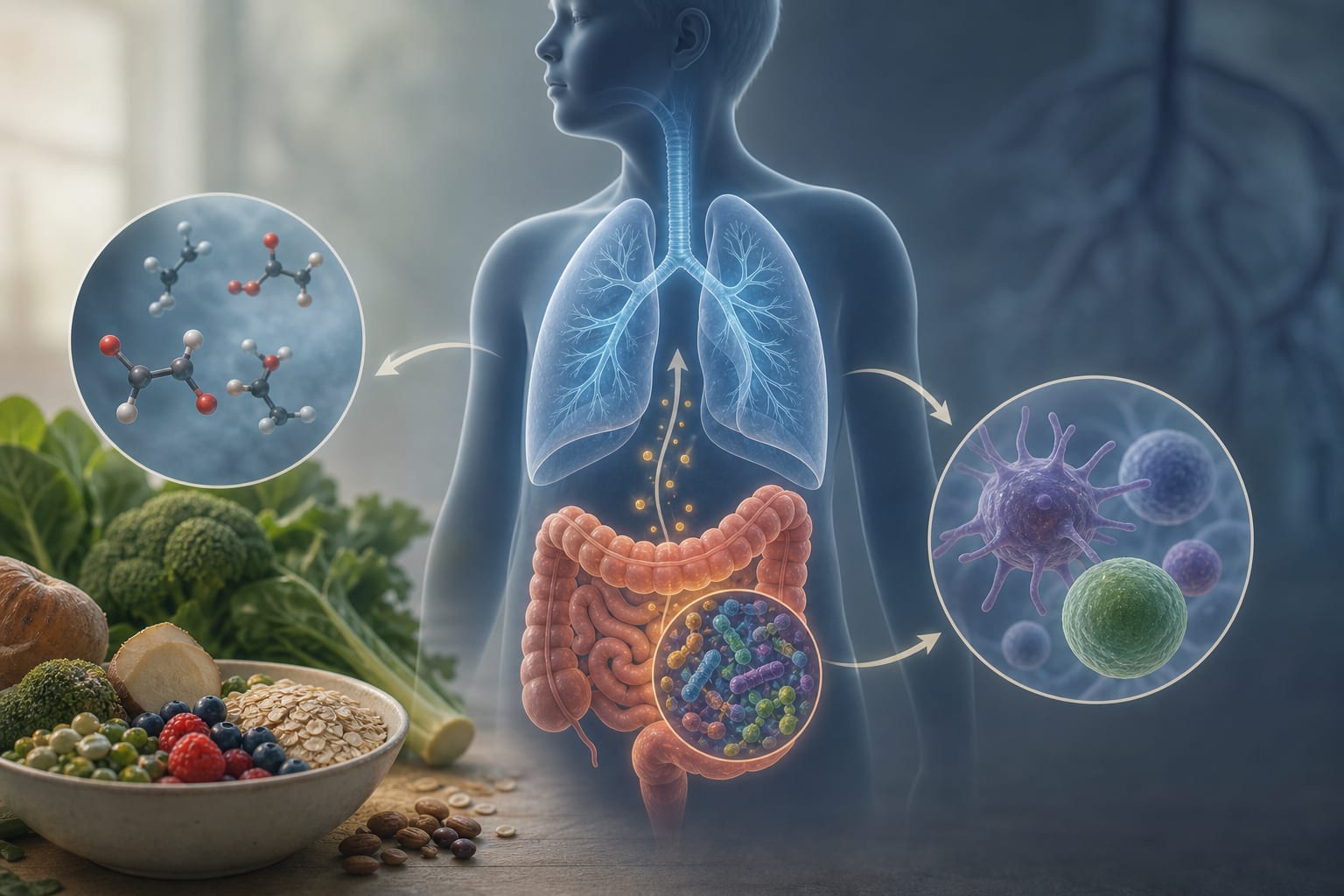
Immune mechanisms involve epithelial injury, release of alarmins, and altered immune cell responses.
Regulatory T cell depletion and epigenetic reprogramming may contribute to heightened allergic susceptibility.
Mast cells are activated by the SARS-CoV-2 spike protein, linking neuroinflammation to allergic responses.
Clinical Implications
Clinicians should consider the elevated risk of allergic diseases in patients with a history of SARS-CoV-2 infection when evaluating new allergic symptoms.
Conclusion
The association between SARS-CoV-2 infection and increased allergic disease incidence is noted.