Incidence and Risk Factors of Blowout Within 90 Days After Primary Hartmann’s Procedure
Overview
This retrospective cohort study evaluated the incidence of rectal blowout within 90 days following primary Hartmann’s procedure (HP) and identified associated risk factors. The study found that blowout is a significant postoperative complication with identifiable clinical predictors, impacting patient outcomes including length of hospital stay and mortality.
Background
Hartmann’s procedure is performed primarily in patients where primary colorectal anastomosis is unsafe or unfeasible, often in emergency settings such as bowel obstruction or perforation. Although HP has been considered to have low morbidity, postoperative complications including pelvic abscess and rectal blowout remain concerns. The pathophysiology of blowout is similar to anastomotic leakage and can lead to serious pelvic sepsis. Previous studies have reported variable incidence rates and limited data on risk factors, often lacking multivariate analyses.
Data Highlights
Outcome
Incidence/Value
Blowout incidence within 90 days
Reported range 3.0–32.9%
Postoperative complications rate
40.6–53.3%
Pelvic abscess incidence
3.0–6.4% to 11–32.9%
Alcohol overconsumption definition
≥7 items/week (women), ≥14 items/week (men)
Charlson Comorbidity Index groups
0–2 none/mild, 3–4 moderate, ≥5 severe
Key Findings
Blowout within 90 days after primary HP occurs at a clinically significant rate, contributing to pelvic abscess formation and sepsis.
Risk factors for blowout include male sex, poor iliac/lower extremity circulation (indicated by lack of foot pulses), low rectal transection level, and prior pelvic radiotherapy.
Multivariate analysis was used to identify independent predictors of blowout, improving upon previous univariate-only studies.
Blowout is associated with increased length of hospital stay, higher readmission rates, and elevated 30- and 90-day mortality.
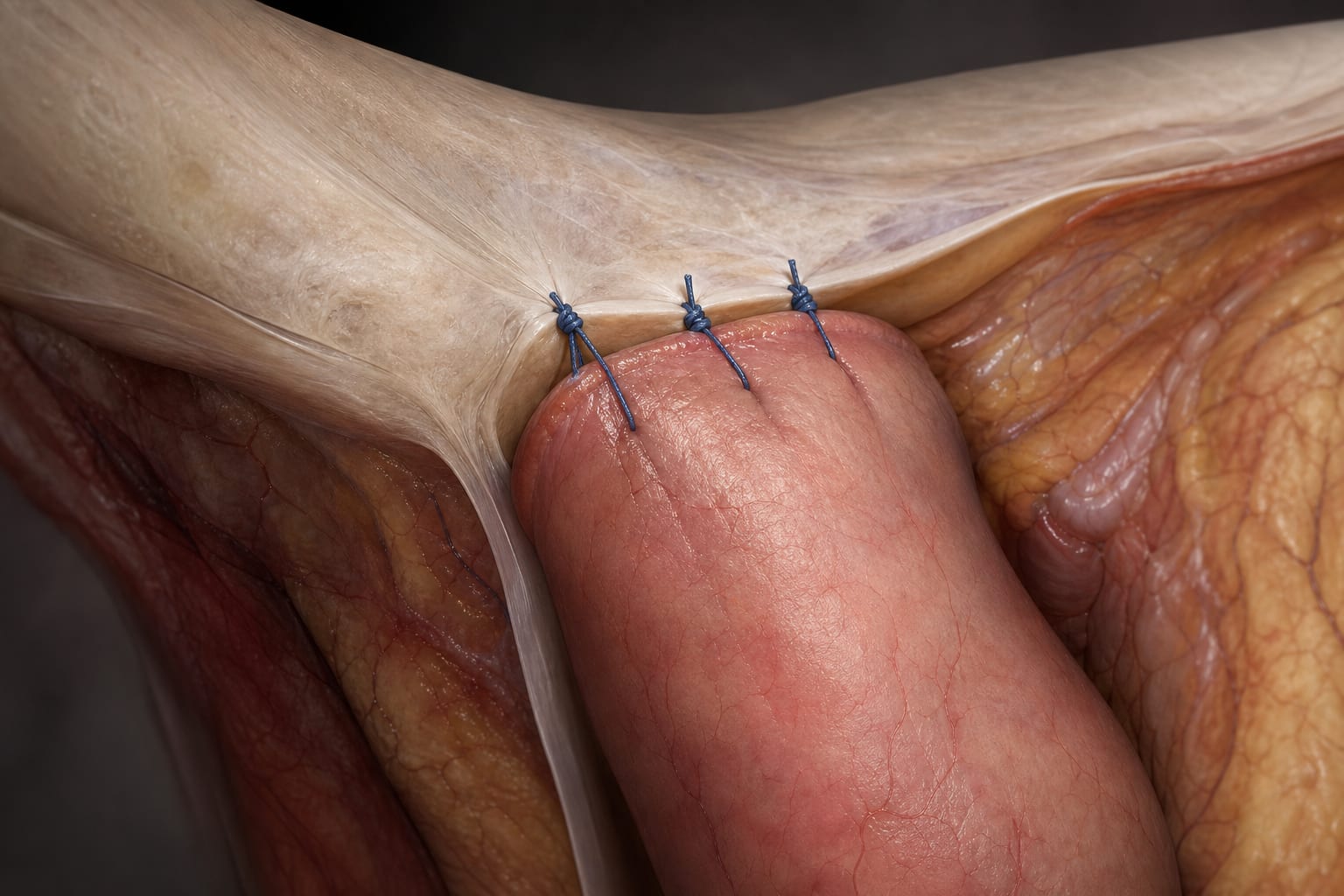
Routine surgical techniques include stapling and/or hand suturing of the rectal remnant, with Foley catheter placement in emergency cases to manage rectal secretions.
Clinical Implications
Clinicians should be vigilant for risk factors such as male sex, compromised lower limb circulation, and prior pelvic radiotherapy when planning and performing HP. Close postoperative monitoring for signs of blowout and pelvic abscess is warranted, especially within the first 90 days. Optimizing patient selection and perioperative management may reduce morbidity and mortality associated with this complication.
Conclusion
Rectal blowout following primary Hartmann’s procedure is a notable postoperative complication with identifiable risk factors. Awareness and early detection can guide interventions to improve patient outcomes.
References
Hartmann’s procedure clinical context and indications
Postoperative complications and pelvic abscess incidence in HP
Risk factors for pelvic abscess and blowout after HP
Surgical techniques and postoperative management in HP
An anal fissure masquerading as hemorrhoid pain. A spouse's family history predicting your survival. Melatonin labels lying about their own dosage. This week's studies reward the clinician who looks twice.