A Drug-Environment Interaction Between PM2.5 Concentration and Corticosteroid Use on Cardiovascular and Thromboembolic Events in Older Adults - Report - MDSpire
Clinical Report: Interaction of PM2.5 Levels and Corticosteroid Administration
Overview
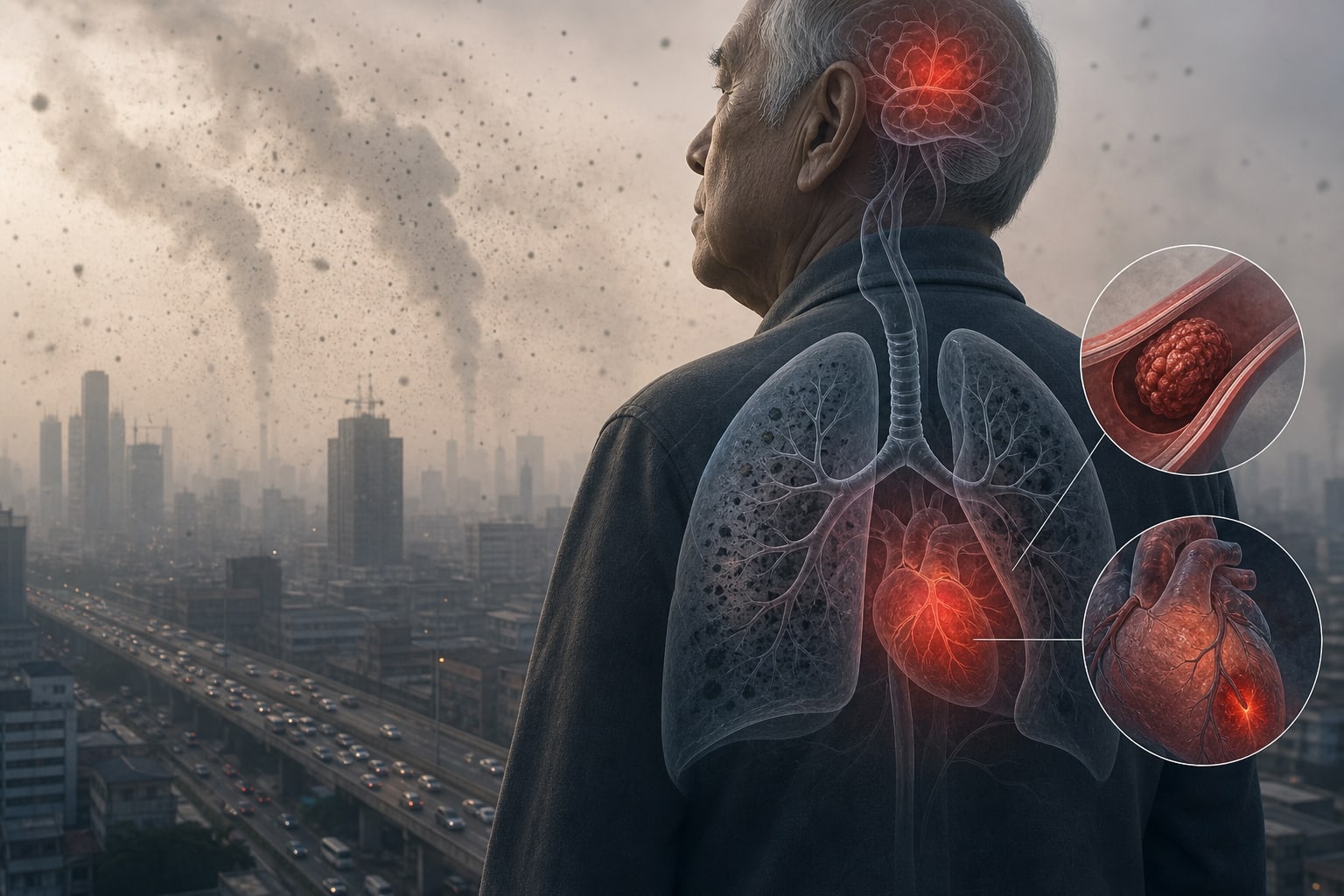
This study investigates the interaction between PM2.5 exposure and corticosteroid administration on cardiovascular and thromboembolic outcomes in elderly individuals. Utilizing data from the Taiwan National Health Insurance Database, the findings indicate a relationship between these factors and health risks in a high-risk cohort.
Background
Air pollution, particularly PM2.5, poses significant health risks, especially for the elderly, who are more susceptible to cardiovascular diseases. Corticosteroids, commonly used to treat respiratory conditions, have been linked to increased cardiovascular and thromboembolic events.
Data Highlights
No specific numerical data or trial results were provided in the source material.
Key Findings
PM2.5 exposure is associated with increased cardiovascular and thromboembolic events.
Corticosteroids can exacerbate cardiovascular risks in patients with chronic conditions.
The study utilized data from the Taiwan National Health Insurance Database covering 2009 to 2019.
High-risk patients included those with atrial fibrillation, heart failure, and previous thromboembolic events.
Clinical Implications
Healthcare providers should be aware of the risks associated with PM2.5 exposure and corticosteroid use in elderly patients.
Conclusion
The interaction between PM2.5 levels and corticosteroid administration presents health implications for elderly individuals.
by Shu-Ping Huang, Chien-Chou Su, Rachel Nethery, Kevin Josey, Benjamin Bates, David Robinson, Poonam Gandhi, Melanie Rua, Ashwaghosha Parthasarathi, Soko Setoguchi, Yea-huei Kao Yang