Editorial: Discovery of small molecule lead compounds: a driving force to unravel new anti-cancer targets and mechanisms, volume III - Report - MDSpire
Advertisement
Editorial: Discovery of small molecule lead compounds: a driving force to unravel new anti-cancer targets and mechanisms, volume III
Clinical Report: Unveiling Small Molecule Lead Compounds as Catalysts for Identifying Novel Anti-Cancer Targets and Mechanisms
Overview
This editorial highlights the significance of small molecule lead compounds in discovering novel anti-cancer targets and mechanisms. It synthesizes key findings from recent research, emphasizing the potential of natural products and advanced methodologies in overcoming drug resistance and enhancing therapeutic strategies.
Background
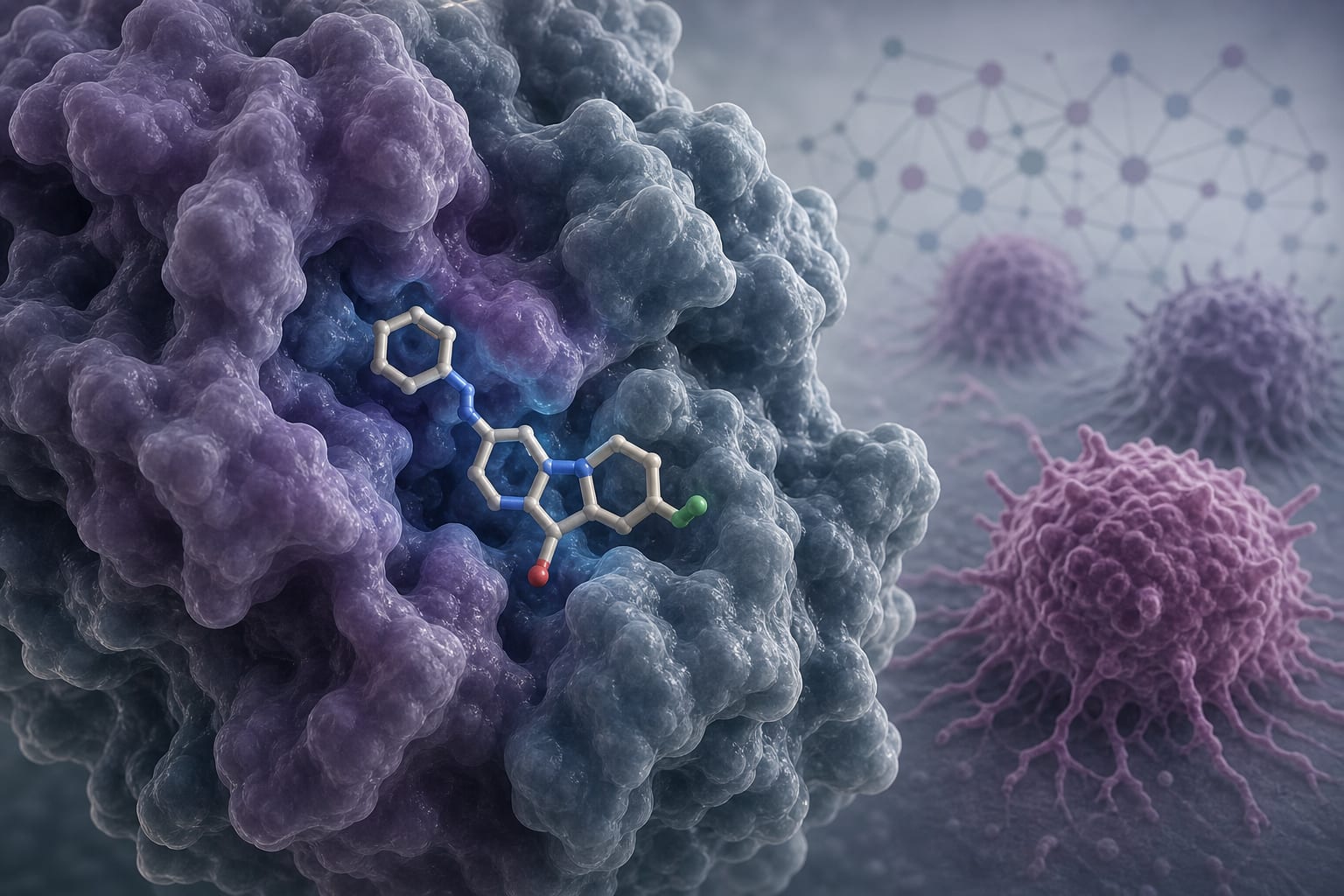
The development of novel anticancer agents is crucial due to the persistent challenge of multi-drug resistance in cancer treatment. Small molecule lead compounds, particularly those derived from natural products, offer a promising avenue for targeting unexplored molecular entities. Recent advances in computational biology and high-throughput screening are enhancing the identification of effective drug candidates.
Data Highlights
No numerical data available in the editorial.
Key Findings
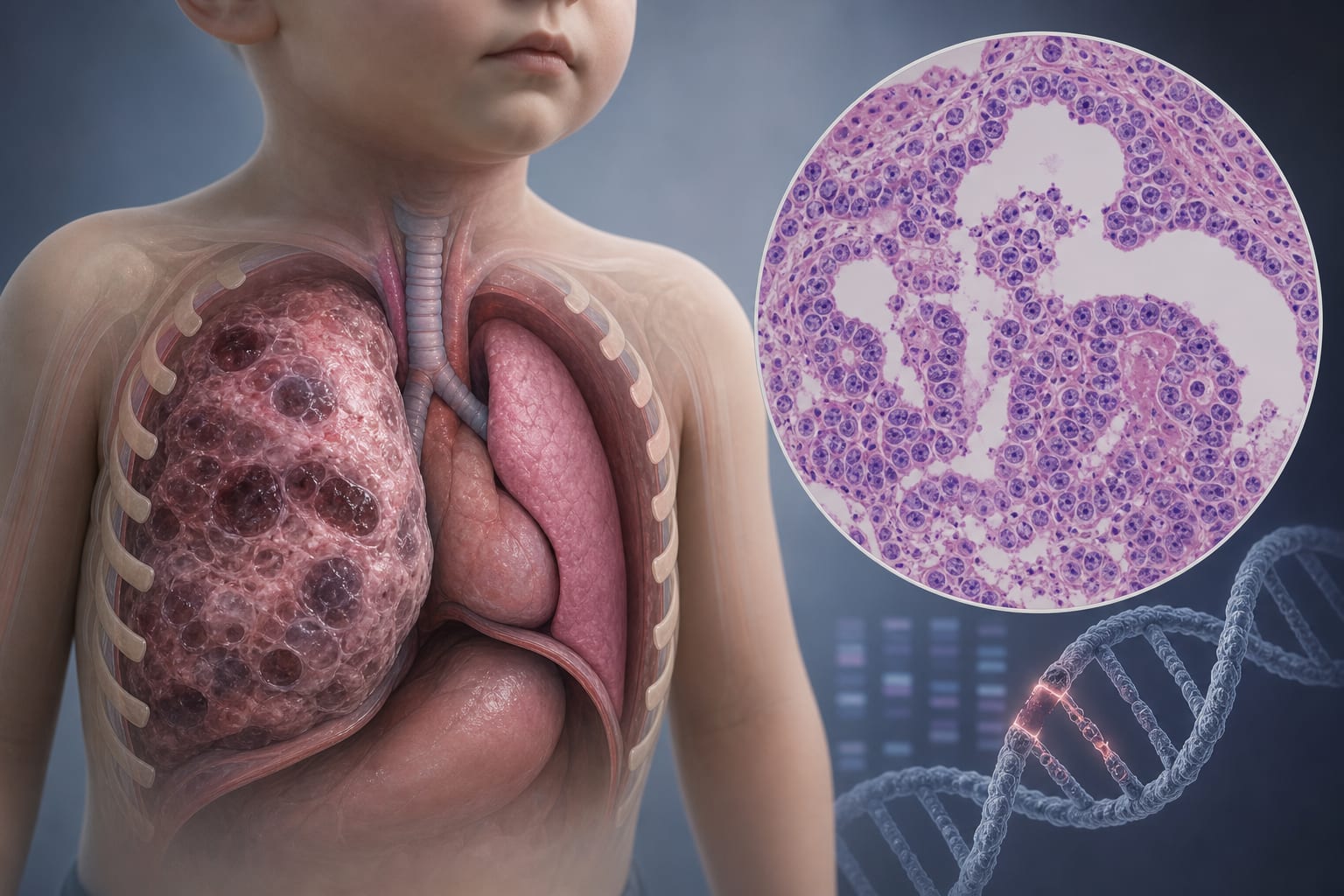
Parthenolide (PTL) modulates amino acid metabolism and oxidative stress in lung adenocarcinoma, targeting GCTG.
Wogonin shows therapeutic potential against prolactinoma by inhibiting the PI3K/AKT pathway and enhancing sensitivity to bromocriptine.
Drug resistance in breast cancer is a major challenge, with emerging targets including cell cycle checkpoint molecules and anti-apoptotic proteins.
Two novel VEGFR-2 inhibitors were identified as promising candidates for papillary thyroid carcinoma.
Lorlatinib may be effective against a broader range of ALK mutations beyond non-small cell lung cancer.
Radotinib and alectinib show potential as repurposed candidates for targeting MEK1 in cancer therapy.
Clinical Implications
The findings underscore the importance of exploring natural products and novel molecular targets in cancer therapy. Clinicians should consider the potential of these small molecules in overcoming resistance and improving treatment outcomes for various cancers.
Conclusion
The editorial emphasizes the critical role of small molecule lead compounds in advancing cancer treatment strategies. Continued research and development in this area are essential for addressing the challenges of drug resistance and enhancing therapeutic efficacy.