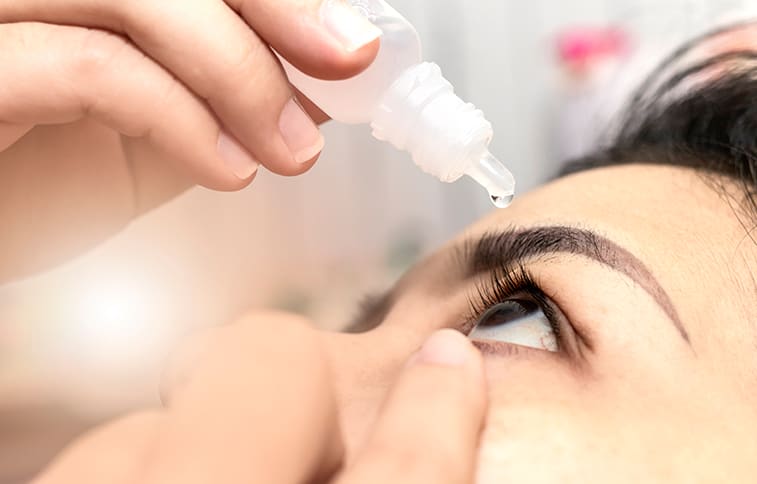
Clinical Report: Presbyopia Drops: A Foundation for Future Care
Overview
Presbyopia drops represent a significant advancement in managing age-related vision changes, offering a non-invasive alternative to glasses and surgery. These drops not only address immediate visual concerns but also pave the way for long-term patient engagement in eye care.
Background
Presbyopia affects a substantial portion of the population over 40, impacting their quality of life and near vision capabilities. Traditional methods of correction, such as glasses and surgical interventions, may not meet the needs of all patients. The introduction of presbyopia drops provides a new avenue for treatment, enhancing patient satisfaction and care continuity.
Data Highlights
Currently, there are three FDA-approved presbyopia drops: Qlosi (0.4% pilocarpine), Vuity (1.25% pilocarpine), and Vizz (1.44% aceclidine). These drops have shown efficacy in clinical trials, with significant improvements in near visual acuity without compromising distance vision.
Key Findings
Presbyopia drops serve as a strategic entry point into long-term eye care.
Proper patient selection and expectation management are critical for successful outcomes.
Early positive experiences with drops can influence future care decisions.
Customizable dosing regimens allow for personalized patient care.
Neuroadaptation plays a key role in the effectiveness of presbyopia drops.
These drops provide a discreet alternative to glasses, appealing to patients concerned about aging.
Clinical Implications
Clinicians should emphasize the importance of clear communication regarding the temporary nature of presbyopia drops and the progressive nature of the condition. Establishing a strong patient-provider relationship through education and support can enhance patient satisfaction and adherence to follow-up care.
Conclusion
Presbyopia drops offer a promising non-surgical solution for managing presbyopia, fostering long-term patient engagement in eye care. Their introduction marks a significant shift in how presbyopia is approached and treated.
When prescribing spectacle lenses, one of the most impactful things we can do is ask: “What are your visual goals?” or more simply, “What are you struggling to see clearly?”
Concerns about chair time, adaptation issues, and inconsistent vision are rooted in outdated perceptions shaped by earlier generations of lenses and overshadow the many benefits that multifocal contact lenses can offer patients who have presbyopia.