Evaluation of Six-Degree-of-Freedom Registration Errors in Various Anatomical Regions During Head and Neck Radiotherapy Using Uniform CBCT Conditions - Report - MDSpire

Evaluation of Six-Degree-of-Freedom Registration Errors in Various Anatomical Regions During Head and Neck Radiotherapy Using Uniform CBCT Conditions

  • By

  • Weixiang Lin

  • Liangjie Xiao

  • Junwei Chen

  • Xiaosheng Lin

  • Zhanwei Li

  • Jianlan Fang

  • Yongwen Fang

  • March 6, 2026

  • 0 min

Share

Clinical Report: Evaluation of Six-Degree-of-Freedom Registration Errors in Head and Neck Radiotherapy

Overview

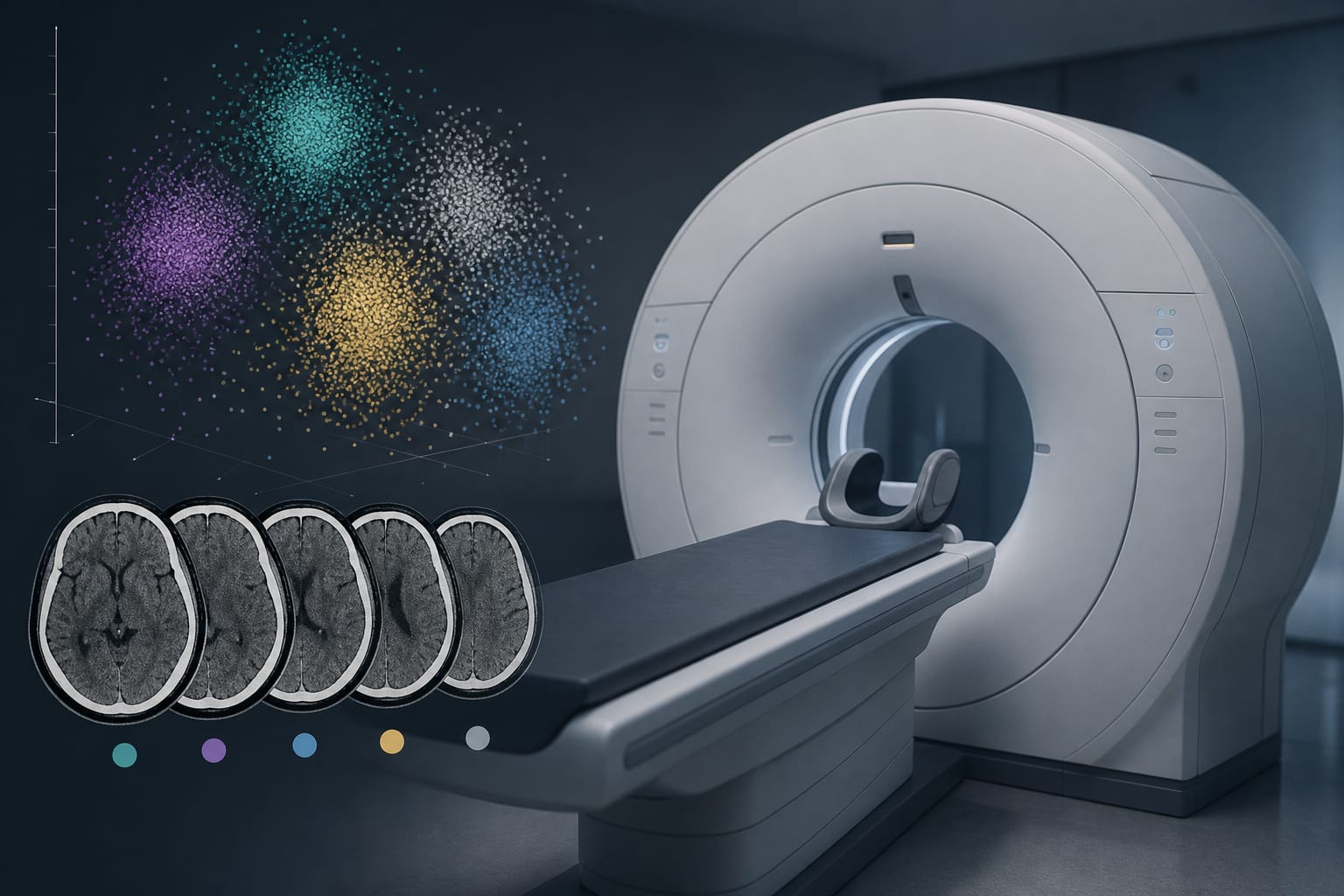
This study evaluates the impact of anatomical registration regions on six-degree-of-freedom (6DoF) setup errors in head and neck radiotherapy using uniform cone-beam computed tomography (CBCT) conditions. The findings indicate that different registration regions yield distinct error characteristics, emphasizing the importance of region selection in clinical practice.

Background

Accurate patient positioning is critical in head and neck radiotherapy due to the proximity of target volumes to sensitive organs at risk. Cone-beam computed tomography (CBCT) has become a standard tool for setup evaluation and error correction. Understanding how anatomical registration regions affect setup errors can enhance the precision of radiotherapy delivery.

Data Highlights

No numerical data available in the provided source.

Key Findings

  • Setup errors in head and neck radiotherapy consist of multiple translational and rotational components.
  • Different anatomical registration regions exhibit distinct numerical characteristics in setup errors.
  • Using a within-scan comparison framework minimizes confounding factors in evaluating setup errors.
  • Principal component analysis (PCA) provides insights into the structural patterns of multi-dimensional errors.
  • The study included data from 82 patients undergoing routine radiotherapy.

Clinical Implications

Clinicians should consider the choice of anatomical registration regions when evaluating patient positioning errors to ensure optimal treatment delivery. Standardizing registration protocols may improve the accuracy of setup corrections in head and neck radiotherapy.

Conclusion

The study highlights the significance of anatomical region selection in assessing setup errors during head and neck radiotherapy. This understanding can lead to improved clinical practices and patient outcomes.

References

  1. NCCN Guidelines® Insights - Head and Neck Cancers, Version 2.2025 | NCCN Continuing Education
  2. Comparison of six-degree-of-freedom registration errors across different anatomical registration regions in head and neck radiotherapy under identical CBCT conditions - PMC
  3. Evaluating the Precision of a Novel 3D-2D Registration Technique Utilizing a Non-Invasive Skin Marker Model for Navigated Spinal Surgery
  4. Clinical Insights on the Use of Customized 3D-Printed Fixation Masks in Radiotherapy
  5. Comparison of Intraoperative CBCT Automatic Image Registration and Preoperative CT Surface Matching for Enhanced Accuracy and Workflow in Spinal Navigation
  6. Surface Scanner-Enhanced Equal-Resolution Registration for "Image to Patient" in Computer-Assisted Surgery: Evaluating Algorithm Performance
  7. NCCN Guidelines® Insights - Head and Neck Cancers, Version 2.2025 | NCCN Continuing Education
  8. Comparison of six-degree-of-freedom registration errors across different anatomical registration regions in head and neck radiotherapy under identical CBCT conditions - PMC
  9. Cone beam CT dose optimisation: A review and expert consensus by the 2022 ESTRO Physics Workshop IGRT working group - PubMed

Original Source(s)

Related Content