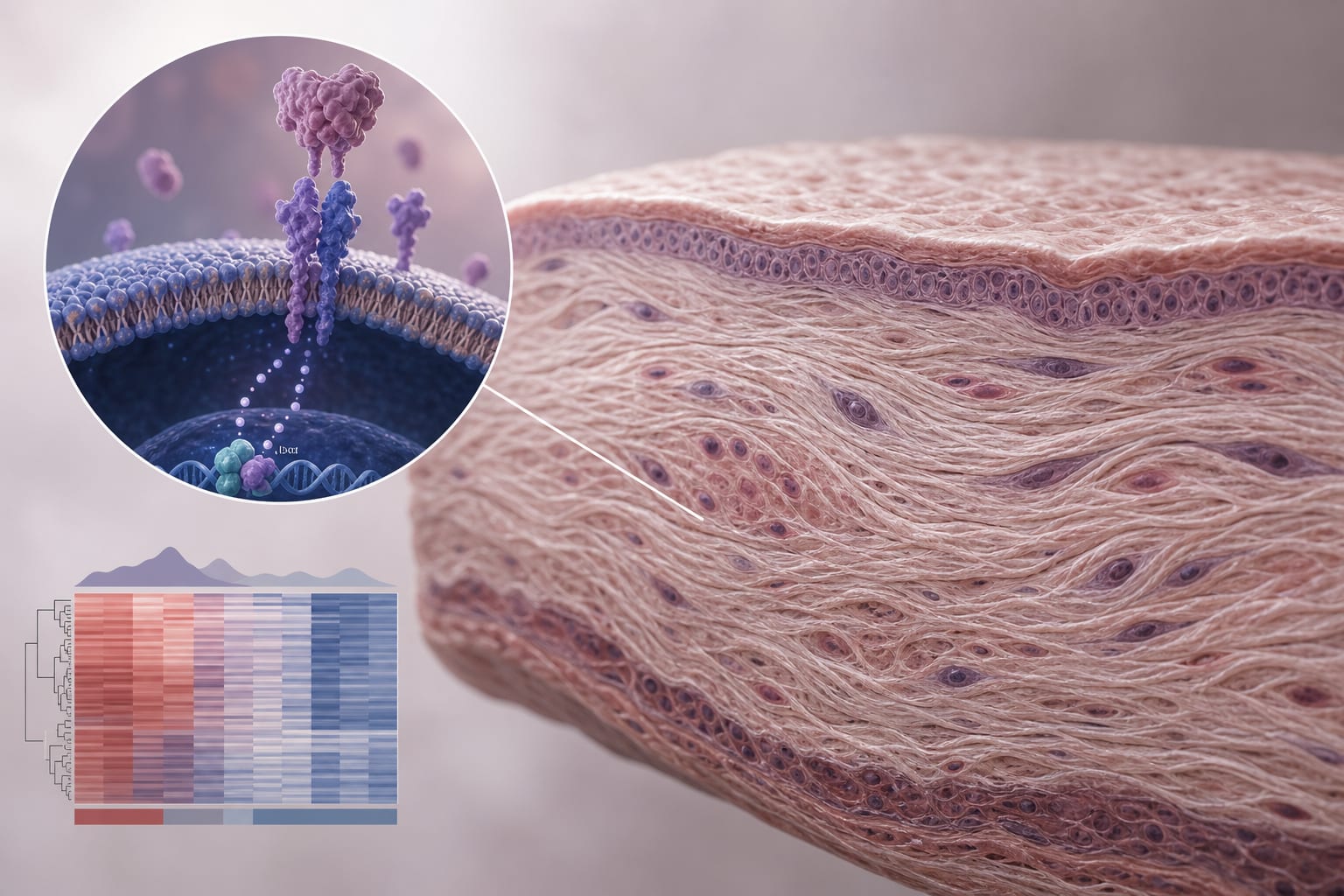
Clinical Report: Evaluation of Lymphocyte Transformation Testing for Drug Hypersensitivity
Overview
This study evaluates the lymphocyte transformation test (LTT) for diagnosing drug hypersensitivity in pediatric patients, demonstrating its high sensitivity and negative predictive value. The findings suggest that LTT is a valuable tool for identifying culprit drugs in cases where drug provocation testing is risky or contraindicated.
Background
Adverse drug reactions (ADRs) in children pose significant diagnostic challenges, often complicated by coexisting infections. Reliable in vitro diagnostic methods, such as the lymphocyte transformation test (LTT), are essential for accurate identification of drug hypersensitivity, particularly in cases where traditional testing methods may be unsafe or ineffective. This study aims to assess the utility of LTT in conjunction with established causality algorithms.
Data Highlights
{'format': 'Ensure the table is properly formatted for clarity.'}
Key Findings
LTT demonstrated 100% sensitivity and negative predictive value in identifying drug hypersensitivity.
78% specificity was observed for LTT, indicating its potential utility in clinical settings.
Significant associations were found between LTT positivity and SPS scores ≥4 (p<0.001).
LTT results correlated significantly with drug provocation testing outcomes (p=0.008).
Most children in the study had no prior drug allergies (88.9%).
Common ADRs included cutaneous reactions and liver injury, with amoxicillin being the most frequently implicated drug.
Clinical Implications
The findings support the use of LTT as a non-invasive diagnostic tool for T-cell mediated drug hypersensitivity in pediatric patients, especially when drug provocation testing is not feasible. Clinicians should consider incorporating LTT into their diagnostic protocols to enhance the accuracy of ADR assessments.
Conclusion
LTT is a promising adjunct in the evaluation of drug hypersensitivity in children, providing high sensitivity and negative predictive value. Its integration into clinical practice may improve patient safety and diagnostic accuracy.
by Olga Rogozina, Susana Martín-López, Fiorela Cinthia Dueñas López, Zoraida del Solar Moreno, Larry Leiva Castrejon, Daniela Aguilar-Concepción, María Jiménez-González, Ana Martínez Feito, Miguel González-Muñoz, Elena Ramírez