Clinical Report: Immune-Inflammatory Endotypes in Chronic Rhinosinusitis
Background
Chronic rhinosinusitis (CRS) is a common inflammatory disease that significantly impacts patients' quality of life and healthcare systems. Traditional phenotypic classifications of CRS based on nasal polyp presence do not adequately reflect the underlying immunopathological mechanisms. The shift towards immune-inflammatory endotyping offers a more nuanced understanding of CRS, which is essential for accurate diagnosis and targeted therapies.
Data Highlights
No numerical data available in the source material.
Key Findings
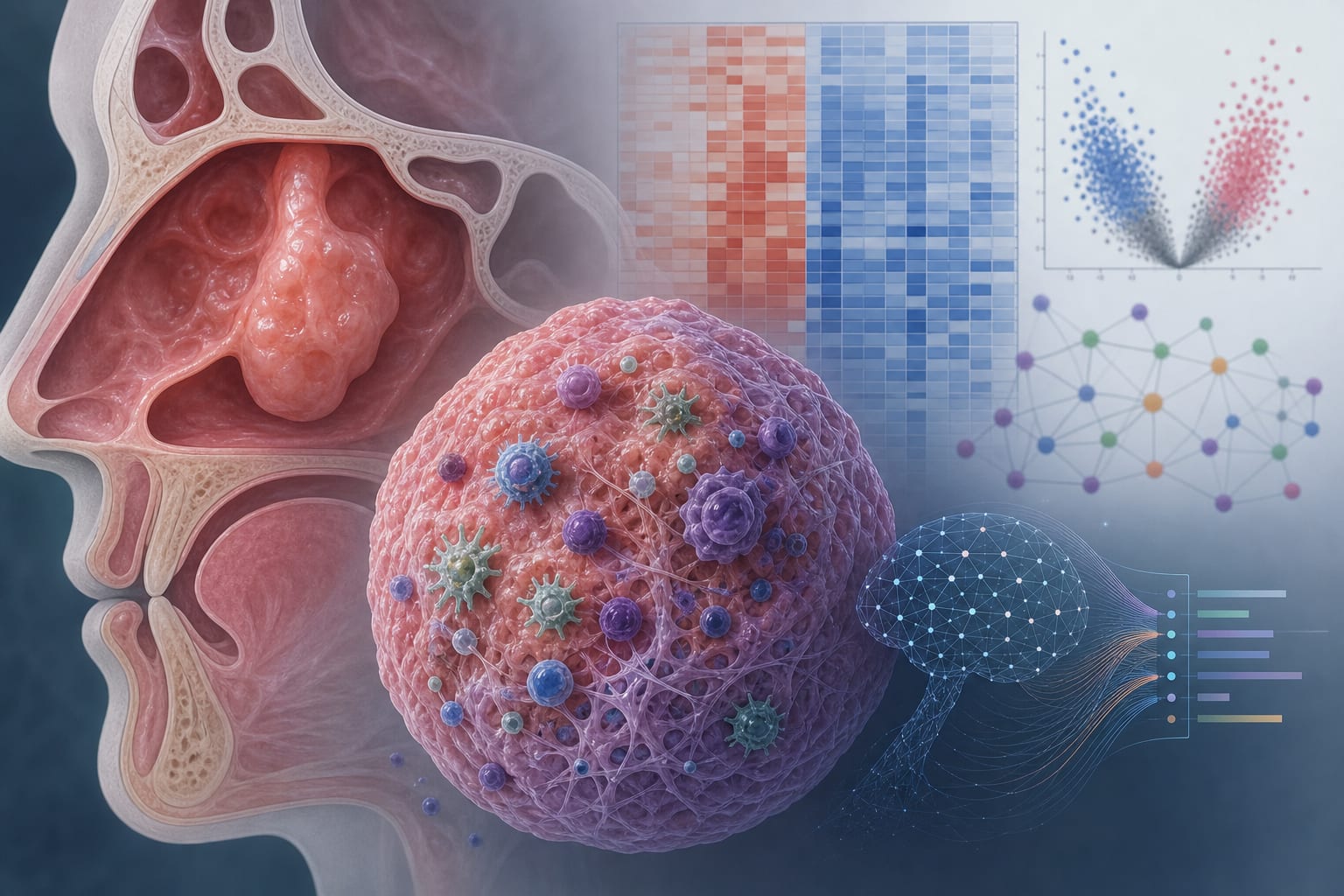
CRS is traditionally classified into CRSwNP and CRSsNP, but this classification is limited.
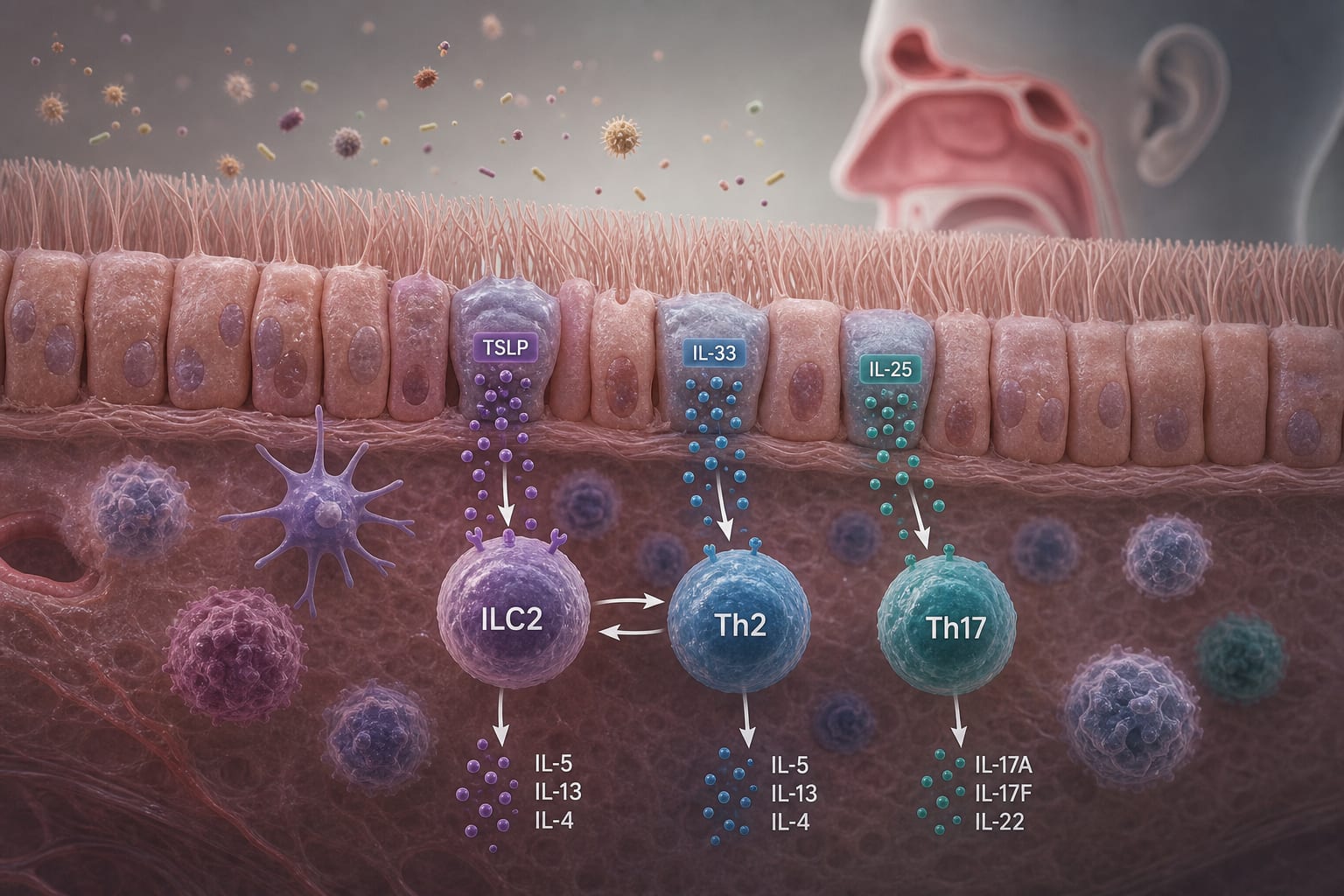
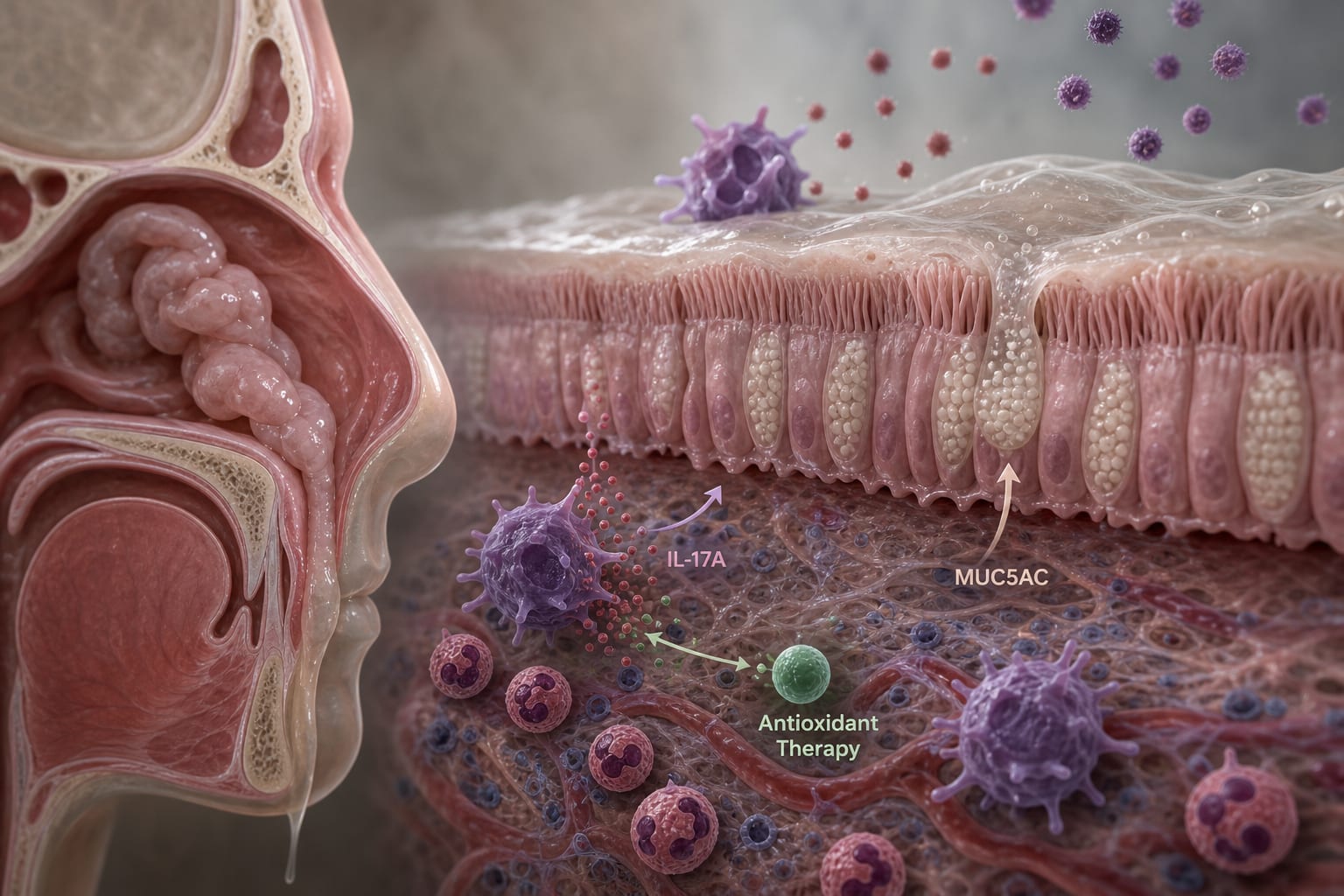
Immune-inflammatory endotyping identifies distinct inflammatory pathways: type 1, type 2, and type 3 responses.
Epithelial-derived cytokines such as TSLP, IL-33, and IL-25 play critical roles in CRS.
The T2 endotype is associated with eosinophilic inflammation and is linked to comorbid asthma.
Endotyping facilitates the use of targeted biologic therapies for CRS patients.
Variations in immune responses among populations highlight the heterogeneity of CRS.
Clinical Implications
Understanding the immune-inflammatory endotypes in CRS can guide clinicians in developing personalized treatment strategies.
Conclusion
The integration of immune-inflammatory endotyping into CRS management represents a significant advancement in understanding and treating this complex disease.