Editorial: The Role of Neuroglia in Immune Responses
-
By
-
Friederike Pfeiffer
-
Alexei Verkhratsky
-
Olga Garaschuk
-
June 16, 2026
Clinical Report: The Role of Neuroglia in Immune Responses
Overview
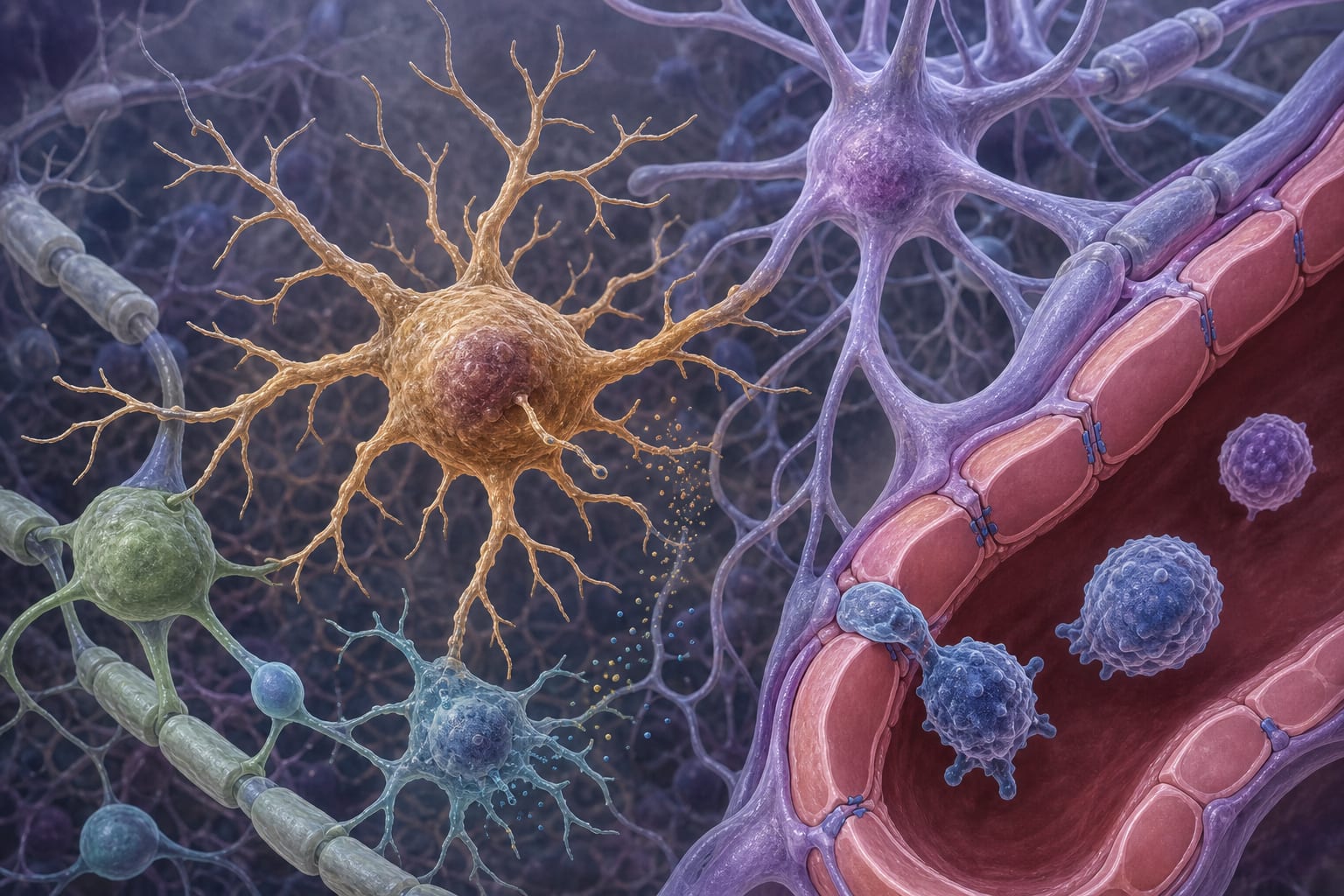
Neuroglial cells play a crucial role in regulating immune responses in the CNS, impacting both innate and adaptive immunity. This editorial highlights the complex interactions between various glial cell types and their implications for neuroinflammatory and neurodegenerative disorders.
Background
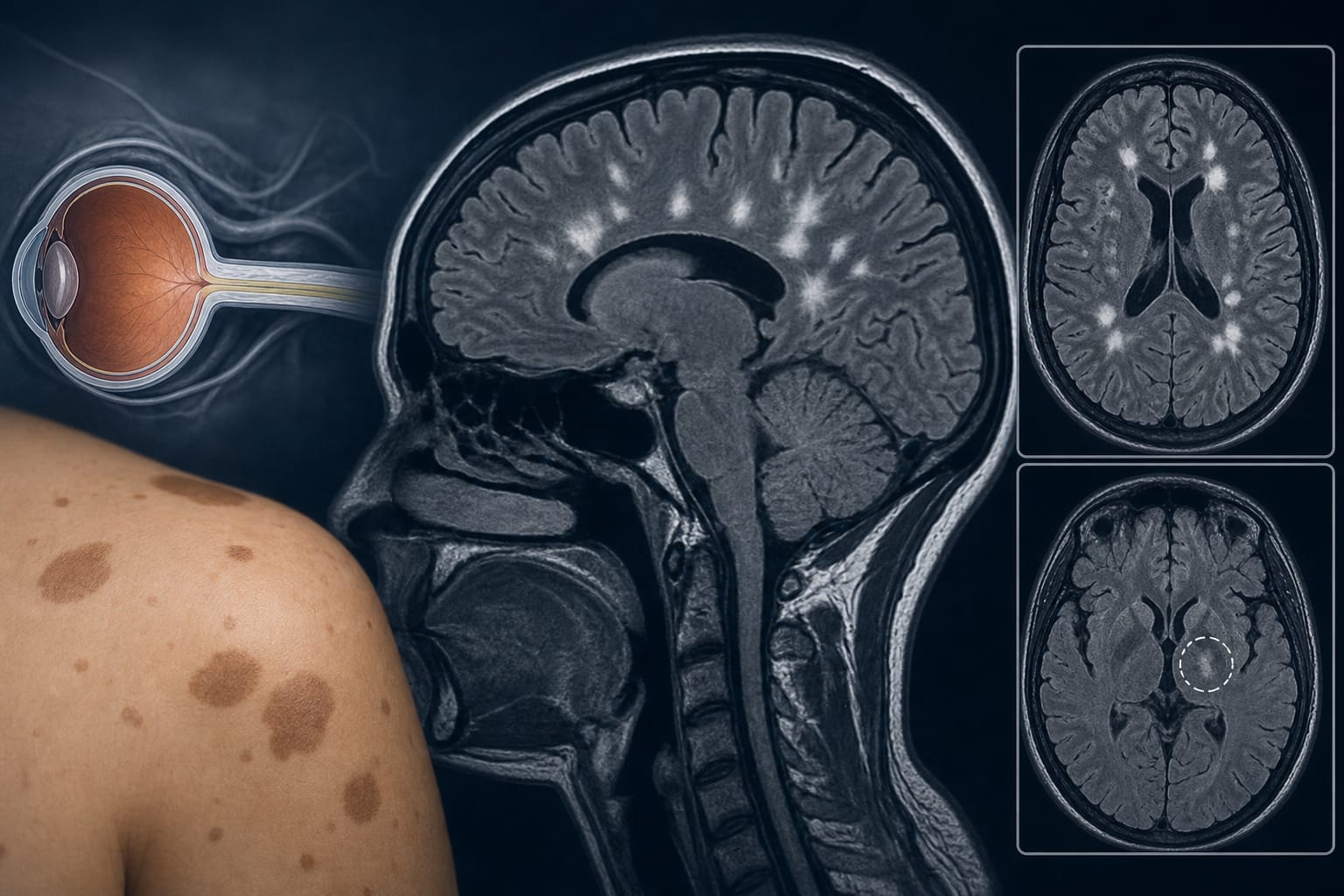
Understanding the immune functions of neuroglia is essential as these cells are integral to maintaining homeostasis in the central nervous system (CNS). Dysregulation of neuroglial activity can contribute to the pathogenesis of various neurological disorders, including multiple sclerosis and neurodegenerative diseases. The interactions between neuroglia and peripheral immune cells are increasingly recognized as pivotal in modulating immune responses.
Data Highlights
No numerical data or trial data presented in the article.
Key Findings
- Neuroglia, including microglia and astrocytes, are key regulators of immune processes in the CNS.
- Microglia act as resident macrophage-like cells, responding to injury and infection through various physiological changes.
- Astrocytes contribute to the formation of the blood-brain barrier and secrete cytokines that influence immune responses.
- Oligodendrocyte precursor cells (OPCs) have immune capabilities, including phagocytosis and antigen presentation to T cells.
- Dysregulated neuroglial functions can lead to neuroinflammatory and neurodegenerative disorders.
- Microglia and T cells interact to modulate the microenvironment of OPCs, affecting remyelination efficiency.
Clinical Implications
Clinicians should consider the role of neuroglial cells in the immune response when diagnosing and treating neuroinflammatory conditions. Targeting neuroglial interactions may offer new therapeutic avenues for managing diseases such as multiple sclerosis.
Conclusion
The editorial underscores the importance of neuroglia in immune regulation within the CNS and their potential as therapeutic targets in neuroinflammatory diseases. Further research is needed to fully elucidate their roles and interactions.
Related Resources & Content
- Haroon et al., Frontiers in Immunology, 2026 -- The Role of Neuroglia in Immune Responses
- Atkinson et al., Acta Neuropathologica, 2025 -- The Role of Microglia in Central Nervous System Disorders Across Development and Aging
- Uzcategui et al., Acta Neuropathologica, 2025 -- Exploring the Diversity of Glial Cells in the Central Nervous System
- Acta Neuropathologica — The Role of Inflammation in the Development of ALS and FTD
- Donanemab Appropriate Use Recommendations
- 2025 Brazilian guidelines for the management of neuromyelitis optica spectrum disorder
- Tolebrutinib in Nonrelapsing Secondary Progressive Multiple Sclerosis
Based on findings from:
Editorial: Immune functions of neuroglia
Friederike Pfeiffer, Alexei Verkhratsky, Olga Garaschuk. Frontiers In Immunology, 2026.
https://www.frontiersin.org/journals/immunology/articles/10.3389/fimmu.2026.1885437/full
This content is an AI-generated, fully rewritten summary based on a published scholarly article. It does not reproduce the original text and is not a substitute for the original publication. Readers are encouraged to consult the source for full context, data, and methodology.