TRPV1-mediated calcium signaling underlies the synergistic pro-apoptotic effects of lidocaine and melatonin in SH-SY5Y neuroblastoma cells - Report - MDSpire
Advertisement
TRPV1-mediated calcium signaling underlies the synergistic pro-apoptotic effects of lidocaine and melatonin in SH-SY5Y neuroblastoma cells
Calcium Signaling via TRPV1 Mediates the Combined Pro-Apoptotic Effects of Lidocaine and Melatonin in SH-SY5Y Neuroblastoma Cells
Overview
This study investigates the combined effects of lidocaine and melatonin on SH-SY5Y neuroblastoma cells, revealing that their synergistic action promotes apoptosis through TRPV1-mediated calcium signaling.
Background
Neuroblastoma is the most common extracranial solid tumor in children and poses significant treatment challenges, particularly for high-risk cases. Current therapies often result in poor survival rates and severe long-term effects.
Data Highlights
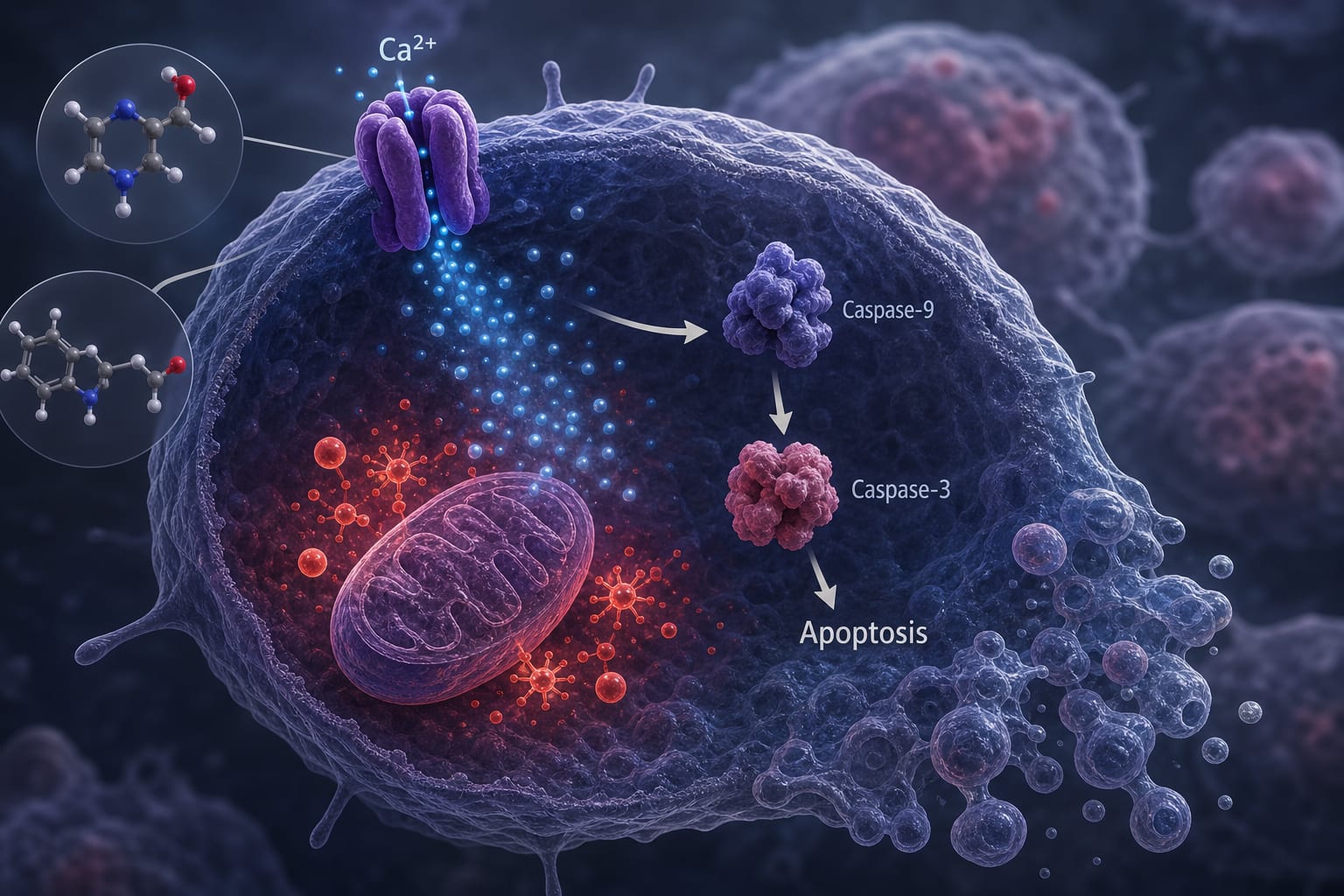
The study demonstrated that the combination of lidocaine and melatonin significantly increased cytosolic Ca²+ levels, ROS production, mitochondrial depolarization, and caspase activation compared to control and single-treatment groups.
Key Findings
Lidocaine and melatonin synergistically promote apoptosis in SH-SY5Y neuroblastoma cells.
The combination treatment significantly elevates intracellular calcium levels.
Reactive oxygen species (ROS) production is increased with the combined treatment.
Mitochondrial membrane potential is depolarized in response to the treatment.
Caspase-3 and caspase-9 activities are activated, indicating apoptosis.
TRPV1-mediated calcium influx is a central mechanism driving these effects.
Clinical Implications
Further investigation into TRPV1-mediated pathways may provide insights into targeted therapies that enhance cancer cell death while minimizing systemic toxicity.
Conclusion
This study examines the combined use of lidocaine and melatonin in promoting apoptosis in neuroblastoma cells through TRPV1-linked calcium signaling pathways.