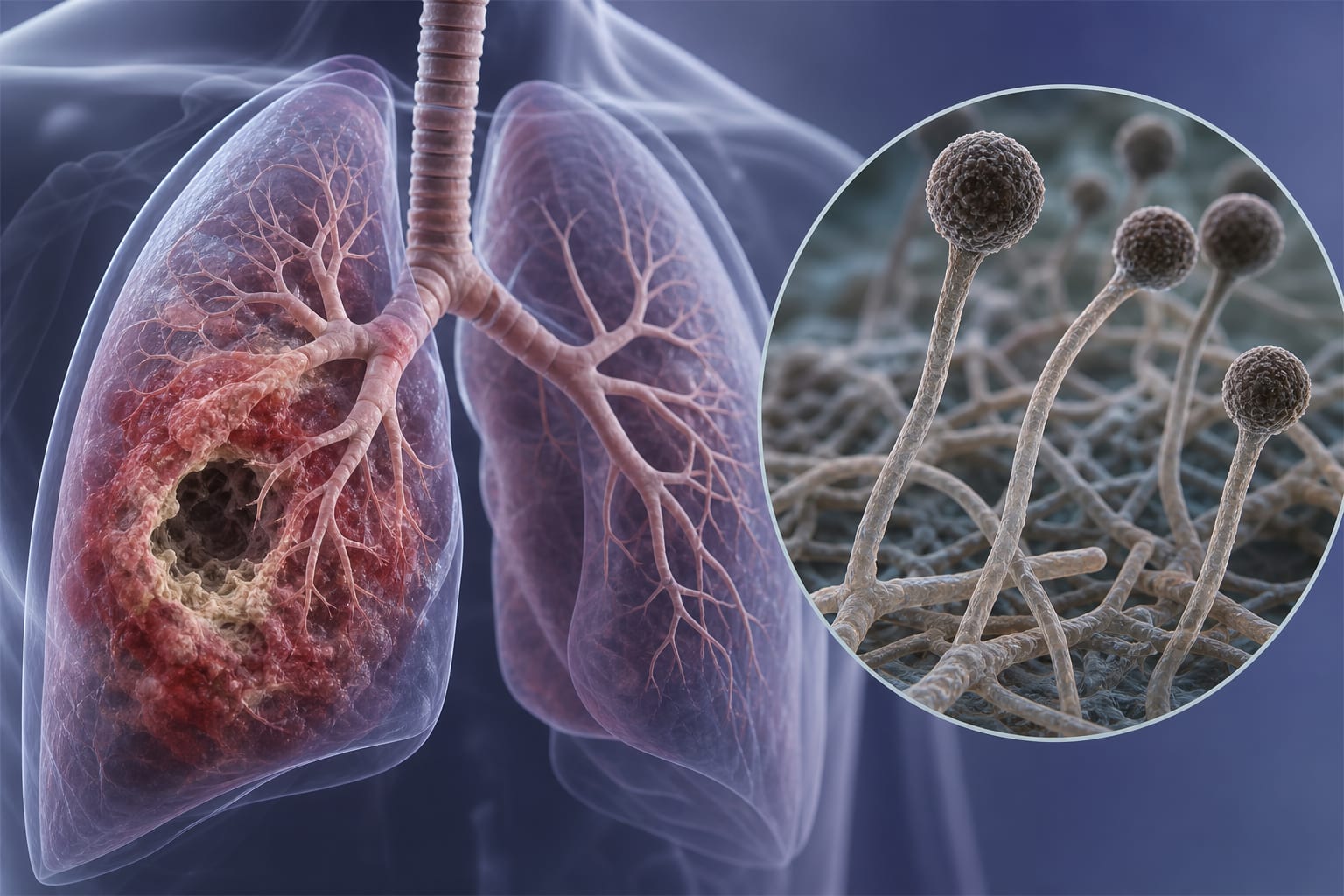
Clinical features, management, and outcomes of pulmonary mucormycosis: a decade-long retrospective study from a single center in central China - Report - MDSpire
Advertisement
Clinical features, management, and outcomes of pulmonary mucormycosis: a decade-long retrospective study from a single center in central China
Clinical Report: Clinical Characteristics, Treatment Strategies, and Outcomes of Pulmonary Mucormycosis
Overview
This study analyzes the clinical characteristics, treatment strategies, and outcomes of 16 patients with pulmonary mucormycosis over a ten-year period. The findings highlight the high mortality rate associated with this invasive fungal infection and the importance of early diagnosis and combined treatment approaches.
Background
Pulmonary mucormycosis is a severe and often fatal fungal infection primarily affecting immunocompromised individuals. The condition is characterized by delayed diagnosis and high mortality rates, necessitating a better understanding of its clinical features and treatment options. This study aims to provide insights into the demographic and clinical profiles of affected patients, as well as effective therapeutic strategies.
Data Highlights
Characteristic
Value
Mean Age
52.50 ± 15.02 years
Male Predominance
68.75%
Diabetes Mellitus Prevalence
81.25%
12-Month Survival Rate
81.25%
Bronchial Involvement
68.75%
Key Findings
The mean age of patients was 52.50 years, with a predominance of males (68.75%).
Diabetes mellitus was the most common underlying condition, present in 81.25% of patients.
Common symptoms included cough (100%), expectoration (81.25%), and fever (68.75%).
Histopathological confirmation was achieved in 75% of cases.
Combination therapy, including bronchoscopy and antifungal medication, was associated with favorable outcomes.
Clinical Implications
Clinicians should maintain a high index of suspicion for pulmonary mucormycosis in immunocompromised patients, particularly those with diabetes. Early diagnosis through bronchoscopy and prompt initiation of combination antifungal therapy may improve survival rates.
Conclusion
Pulmonary mucormycosis poses significant clinical challenges due to its high mortality and the necessity for timely intervention. This study underscores the importance of early diagnosis and aggressive treatment strategies to enhance patient outcomes.