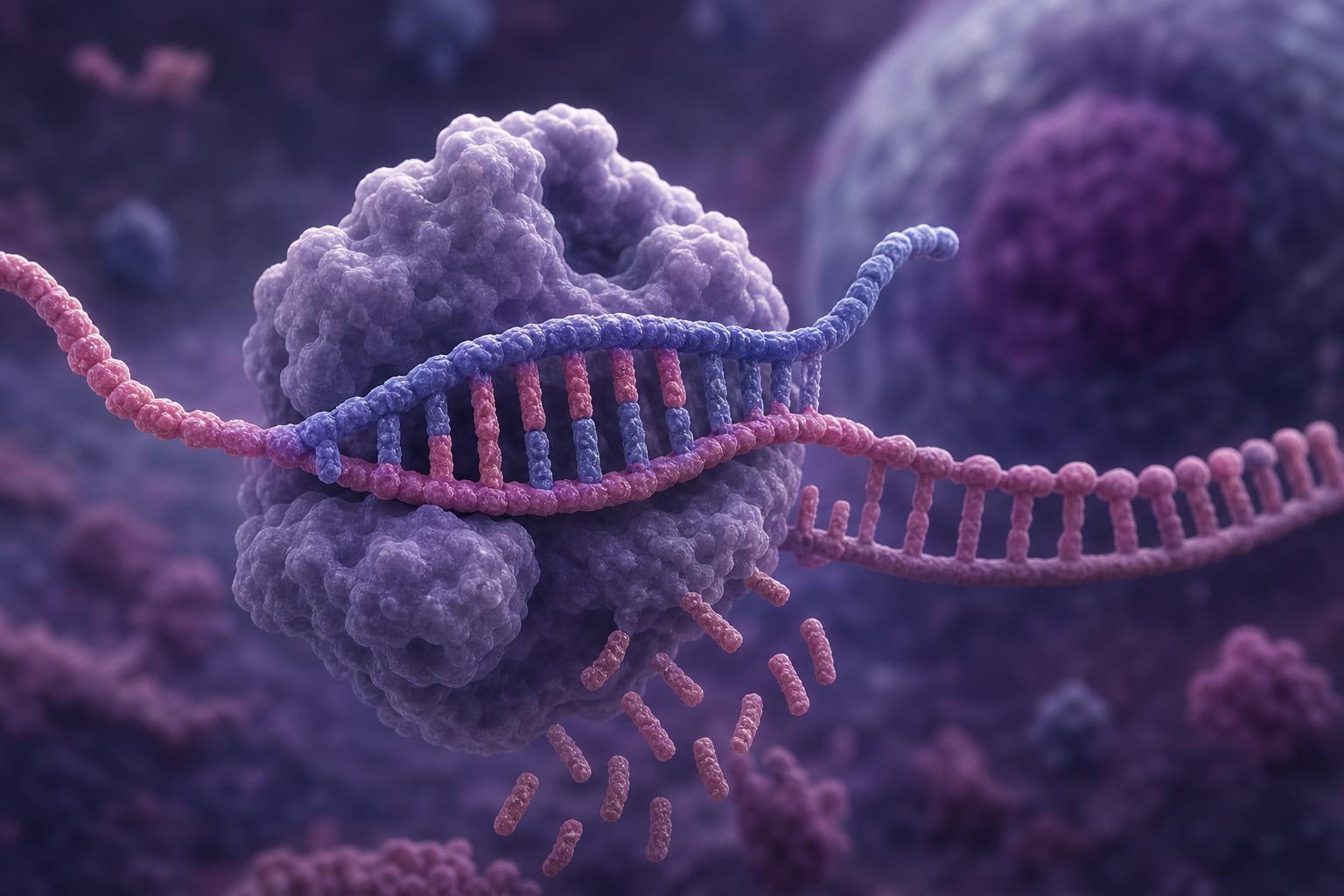
Human-Relevant Discovery: iPSC Models and the Future of Rare Disease R&D
-
February 25, 2026
-
9 min
Clinical Report: Human-Relevant Discovery: iPSC Models and the Future of Rare Disease R&D
Overview
Revise to better reflect the transformative role of iPSC models in drug development.
Background
Rare diseases affect over 300 million individuals globally and pose significant research challenges due to their complexity and the limited availability of patient samples. Traditional drug screening methods often fail to capture the nuances of human biology, which can lead to ineffective therapies. iPSC models offer a promising solution by preserving patient-specific genetics and enabling the study of disease mechanisms in relevant cell types.
Data Highlights
No numerical data provided in the source material.
Key Findings
- iPSC-derived models facilitate earlier drug discovery by aligning research with human biology.
- These models are particularly valuable for complex diseases where traditional models may not be effective.
- Standardized platforms enhance the consistency and reliability of iPSC-derived data.
- Model selection should be driven by the specific biological question rather than a one-size-fits-all approach.
- Regulatory frameworks are evolving to support the integration of iPSC models in rare disease research.
Clinical Implications
Stress the need for flexibility in model selection and the complementary role of iPSCs.
Conclusion
iPSC models represent a significant advancement in the research and development of therapies for rare diseases, offering a more human-relevant approach to understanding disease mechanisms and validating therapeutic targets.
References
- iXCells Biotechnologies, Source, 2023 -- Human-Relevant Discovery: iPSC Models and the Future of Rare Disease R&D
- npj Digital Medicine — Advancing the frontier of rare disease modeling: a critical appraisal of in silico technologies
- Brain — Exploring the Pathophysiology of Neurodevelopmental Disorders Through Brain Organoid Models
- the medicine maker — The Role of AI in Rare Disease Drug Discovery
- the pathologist — Digital Twins for Rare Diseases
- Advancing the frontier of rare disease modeling: a critical appraisal of in silico technologies
- Exploring the Pathophysiology of Neurodevelopmental Disorders Through Brain Organoid Models
- The Role of AI in Rare Disease Drug Discovery
- Digital Twins for Rare Diseases
- Guidance Document on Good In Vitro Method Practices (GIVIMP), Second Edition
- FDA Advances Rare Disease Drug Development with New Evidence Principles | FDA
- https://www.hitcf.org/wp-content/uploads/2025/01/PR-CHOICES-enrolment-complete_final.pdf
This content is an AI-generated, fully rewritten summary based on a published scholarly article. It does not reproduce the original text and is not a substitute for the original publication. Readers are encouraged to consult the source for full context, data, and methodology.