Intra-procedural CT control versus ultrasound only in ultrasound-guided thermal ablation of colorectal liver metastases: a single-centre cohort study - Report - MDSpire
Advertisement
Intra-procedural CT control versus ultrasound only in ultrasound-guided thermal ablation of colorectal liver metastases: a single-centre cohort study
Clinical Report: Comparative Analysis of Intra-procedural CT Guidance vs Ultrasound
Overview
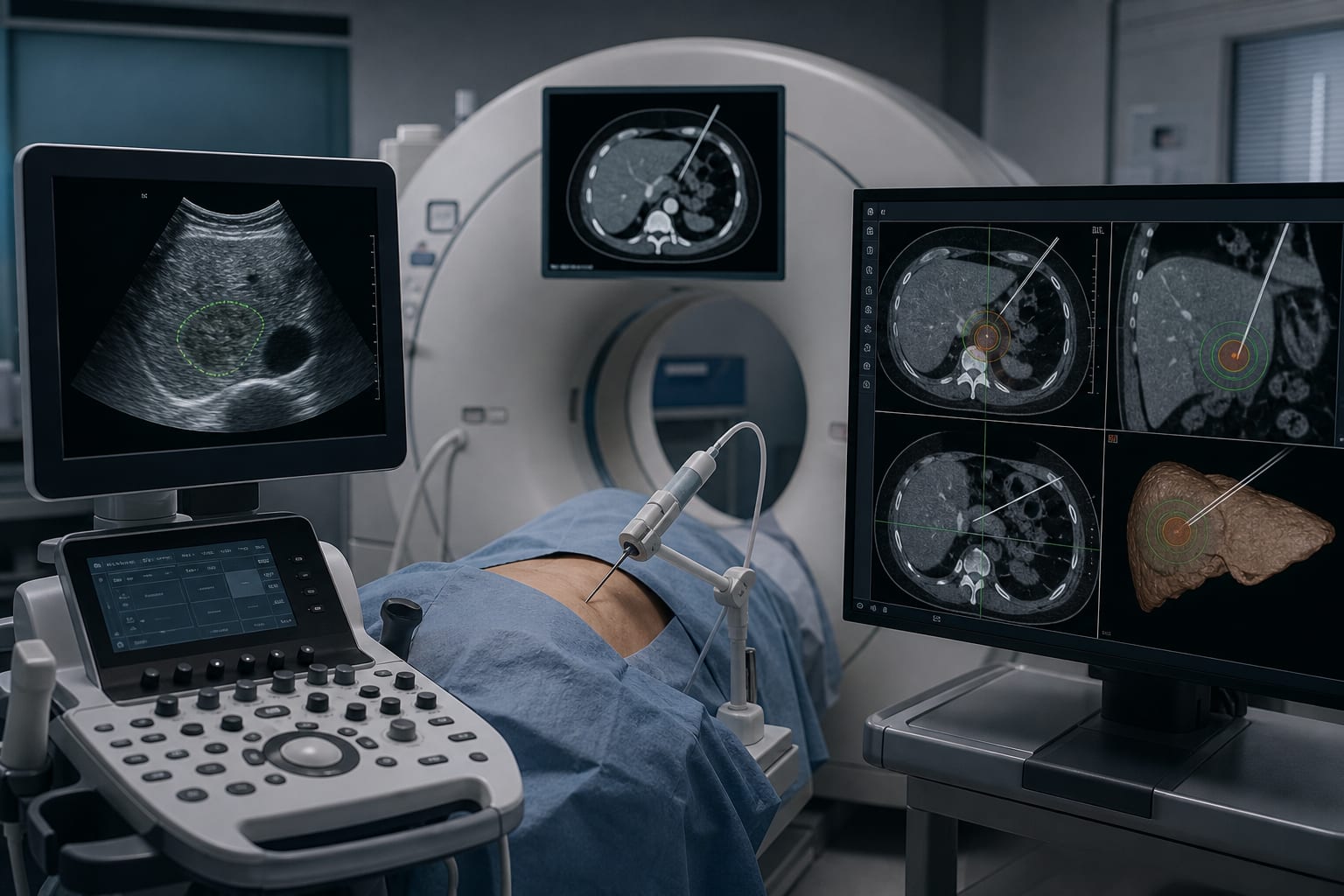
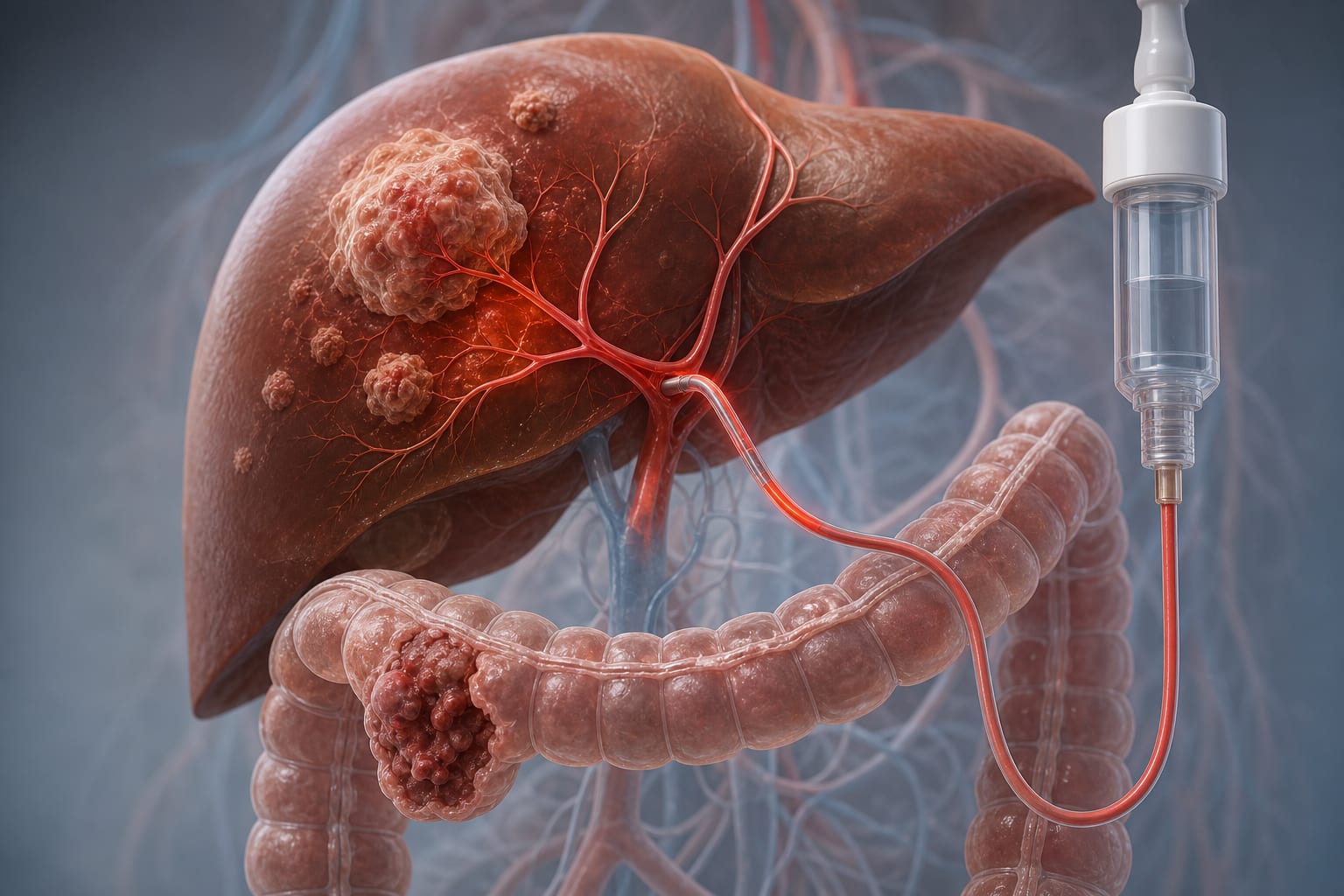
This study evaluates local tumor progression (LTP) rates in patients undergoing ultrasound-guided thermal ablation for colorectal liver metastases, comparing outcomes with and without intra-procedural CT guidance. The findings suggest that CT guidance may reduce LTP rates, particularly in larger tumors.
Background
Local ablative treatments for colorectal liver metastases (CRLM) have gained traction as effective alternatives to surgical resection, particularly for patients with small or difficult-to-resect tumors. Understanding the impact of imaging modalities on treatment outcomes is crucial, as local tumor progression rates can vary significantly based on the guidance used during ablation procedures. This study aims to clarify the role of intra-procedural CT guidance in improving local control rates compared to ultrasound alone.
Data Highlights
No specific numerical data provided in the source material.
Key Findings
CT guidance during thermal ablation may lead to lower local tumor progression rates compared to ultrasound guidance alone.
The study included patients treated in a hybrid OR/CT lab, allowing for immediate re-ablation if necessary.
Patients with larger tumors may benefit more from CT guidance in terms of local control.
Ultrasound guidance remains a widely used, cost-effective method, but has limitations in margin confirmation.
Multidisciplinary tumor board evaluations were integral in patient selection for ablation procedures.
Clinical Implications
Clinicians should consider the potential benefits of intra-procedural CT guidance in thermal ablation for colorectal liver metastases, especially for larger tumors where margin assessment is critical. This could optimize treatment outcomes and resource allocation in clinical practice.
Conclusion
The findings underscore the importance of imaging guidance in thermal ablation procedures, suggesting that intra-procedural CT may enhance local control of colorectal liver metastases compared to ultrasound alone.