Clinical Report: Reevaluating Gastrointestinal Endoscopy's Role in DGBI
Background
Functional gastrointestinal disorders, now understood as disorders of gut-brain interaction (DGBI), have traditionally relied on symptom-based criteria for diagnosis. Current endoscopic practices primarily focus on excluding organic pathology, which may overlook valuable diagnostic insights from endoscopically normal findings. A shift in perspective is necessary to improve diagnostic efficacy and patient care.
Data Highlights
No numerical or trial data available in the source material.
Key Findings
The current exclusionary model of endoscopy limits its diagnostic utility for functional gastrointestinal disorders.
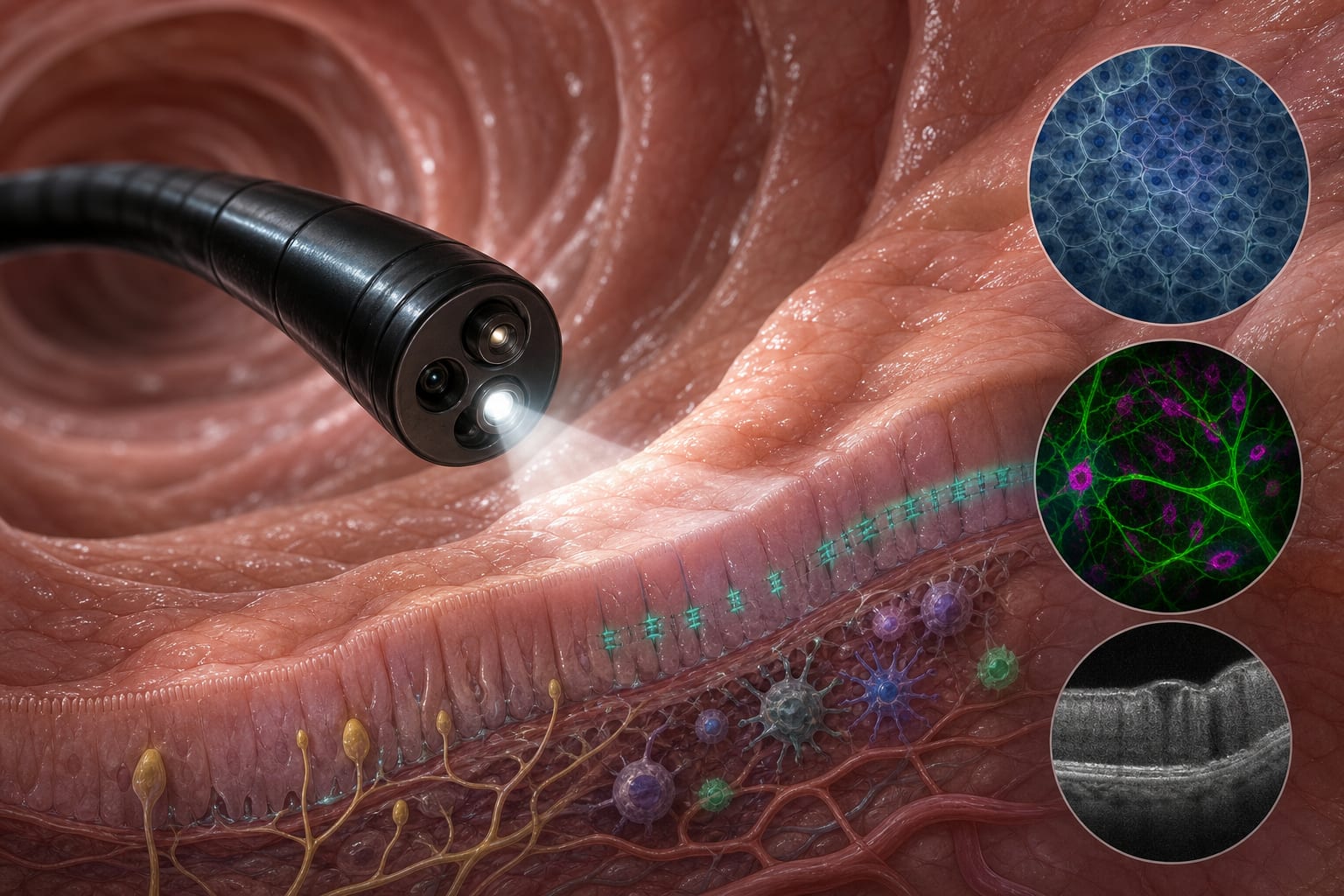
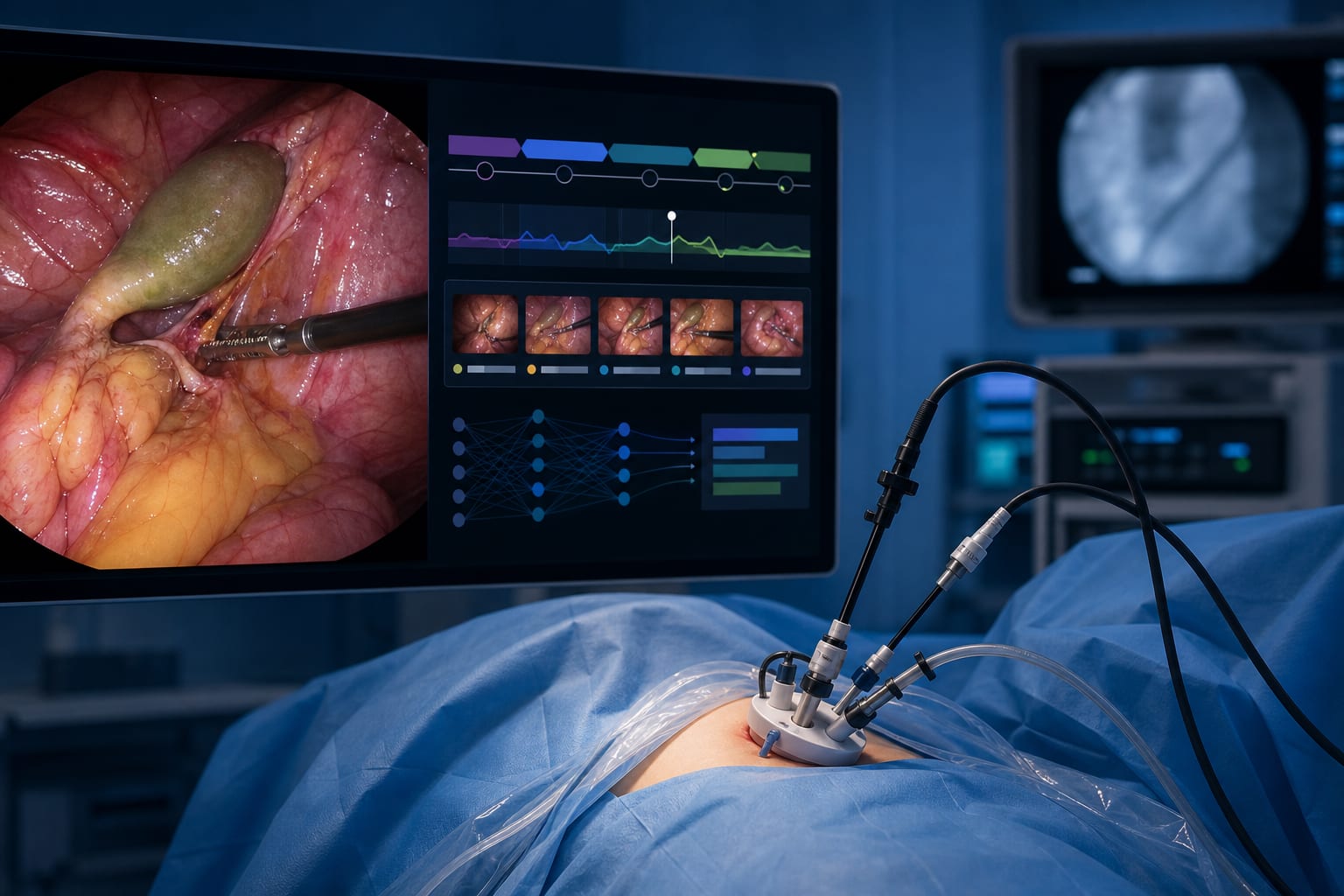
Functional endoscopy is proposed as a multidimensional assessment platform integrating various physiological parameters.
Real-time imaging and monitoring could capture key pathophysiological parameters, enhancing understanding of DGBI.
Existing endoscopic technologies primarily assess specific physiological domains rather than providing a comprehensive evaluation.
The proposed framework aims to bridge the gap between structural and functional disease diagnostics.
Clinical Implications
Adopting a functional endoscopy approach may lead to more accurate diagnoses of DGBI by capturing dynamic physiological data. This could improve patient management and reduce diagnostic delays associated with traditional endoscopic practices.
Conclusion
The proposed shift towards functional endoscopy represents a significant advancement in the diagnostic assessment of functional gastrointestinal disorders, potentially leading to better patient outcomes.