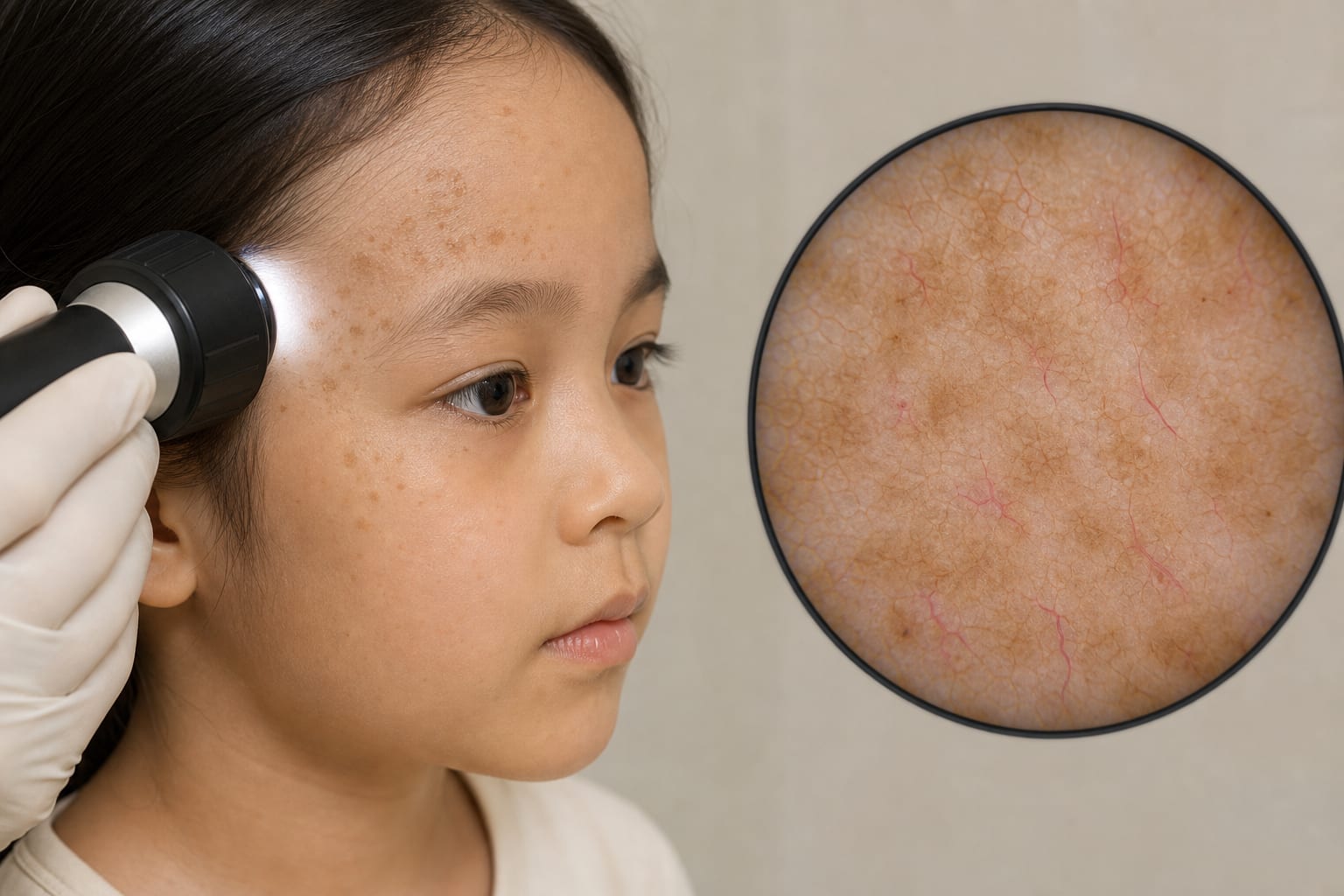
Clinical Report: Tirzepatide's Surprising Skin Side Effect
Overview
This case report highlights a rare occurrence of lichen planus pigmentosus inversus in a patient following tirzepatide therapy. The findings suggest a potential association between tirzepatide and this unusual skin reaction, warranting further investigation into cutaneous side effects of GLP-1 receptor agonists.
Background
Tirzepatide is a dual GIP/GLP-1 receptor agonist used for weight management in patients with obesity and type 2 diabetes. While its efficacy in weight loss and glycemic control is well-documented, understanding its safety profile, particularly regarding rare cutaneous reactions, is crucial for comprehensive patient care. This case adds to the limited literature on skin-related adverse effects associated with GLP-1 receptor agonists.
Data Highlights
No numerical data available in the article.
Key Findings
['A 46-year-old female developed lichen planus pigmentosus inversus 6-7 months after starting tirzepatide.', 'The lesions were well-demarcated brown macules in intertriginous areas, atypical for the usual presentation.', 'A shave biopsy confirmed lichenoid interface dermatitis, supporting a diagnosis of drug-induced lichen planus pigmentosus.', 'The patient experienced pruritus, which resolved with topical tacrolimus, but hyperpigmentation persisted.', 'This case is notable as it is the first report linking tirzepatide to lichen planus pigmentosus or hyperpigmentation.', 'The timing of onset aligns with known latency periods for drug-induced lichenoid eruptions.']
Clinical Implications
Clinicians should be aware of the potential for rare cutaneous reactions, such as lichen planus pigmentosus, in patients receiving tirzepatide. Monitoring for skin changes and educating patients about possible side effects can enhance patient safety and treatment adherence.
Conclusion
This case underscores the need for vigilance regarding uncommon skin reactions in patients treated with tirzepatide. Further research is necessary to clarify the mechanisms and prevalence of such adverse effects.