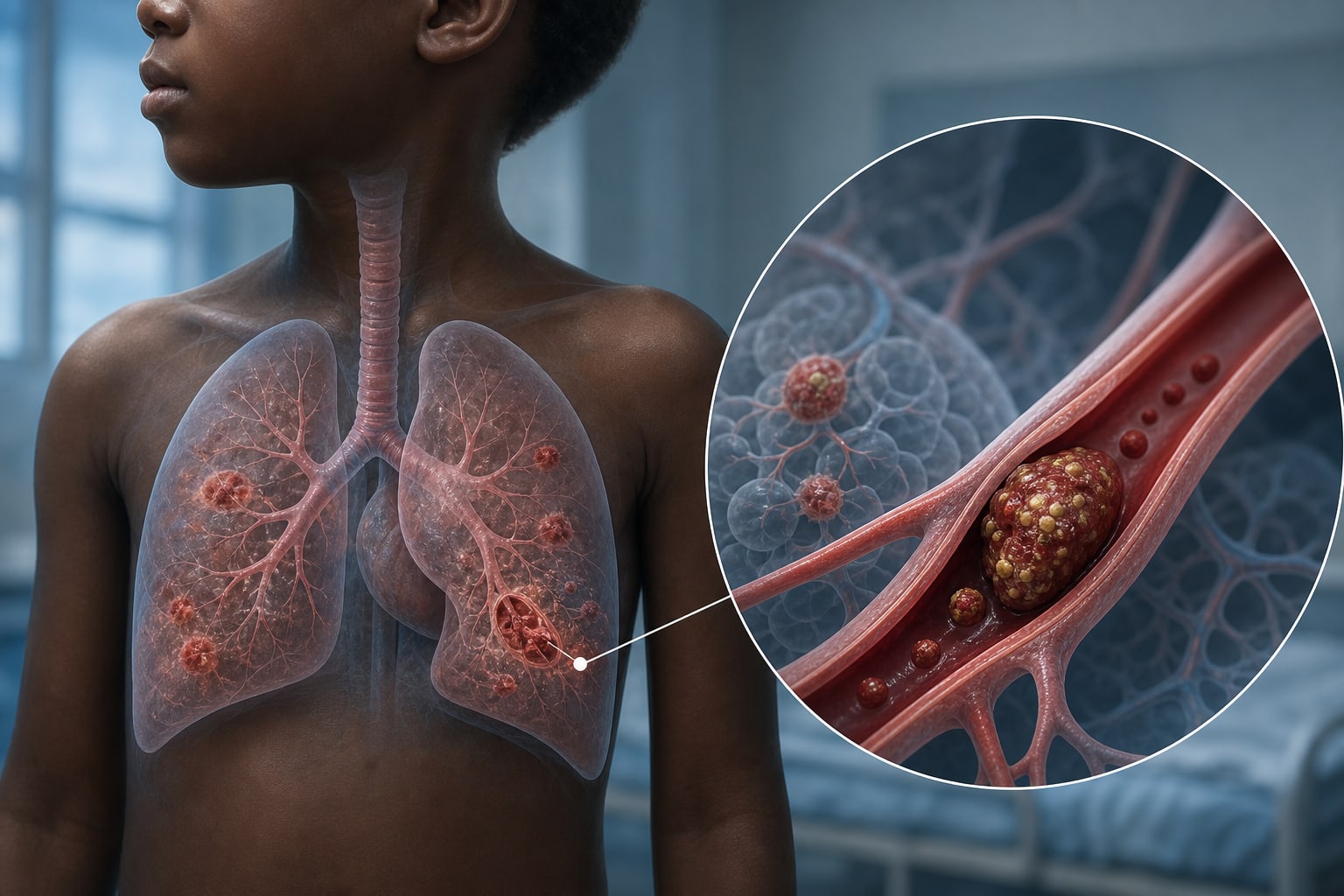
Clinical Report: Assessing the Impact of Malaria on Children Aged 5–10 in the Sahel
Overview
This report evaluates the rising malaria burden among children aged 5 to 10 in the Sahel region, particularly in Niger, and discusses the implications for seasonal malaria chemoprophylaxis (SMC) strategies. The findings suggest a need to reconsider current SMC eligibility criteria to include older children due to their significant malaria case load.
Background
Malaria remains a critical public health challenge, especially in sub-Saharan Africa, where it causes high morbidity and mortality rates among vulnerable populations, including children. Recent data indicate a resurgence of malaria cases globally, with a notable increase in infections among school-aged children. This demographic shift necessitates a reevaluation of existing prevention strategies, particularly the exclusion of children over five from SMC.
Data Highlights
No numerical data available in the provided source material.
Key Findings
Malaria cases increased by 11 million from 2022 to 2023, totaling 263 million cases globally.
Niger is among the top ten African countries with high malaria incidence, despite its arid climate.
Children aged 5 to 10 years are experiencing a significant burden of malaria, challenging the assumption of acquired immunity by age five.
The current SMC strategy targets children under five, leaving older children unprotected despite their substantial case load.
Environmental changes and global warming are contributing to increased malaria transmission in the Sahel region.
Clinical Implications
Healthcare providers should consider the rising malaria burden in children aged 5 to 10 when implementing prevention strategies. Modifying SMC eligibility to include this age group may enhance protection and reduce malaria incidence in high-burden areas.
Conclusion
The findings underscore the need for a reassessment of malaria prevention strategies in the Sahel, particularly regarding the inclusion of older children in SMC programs to address the growing malaria burden.