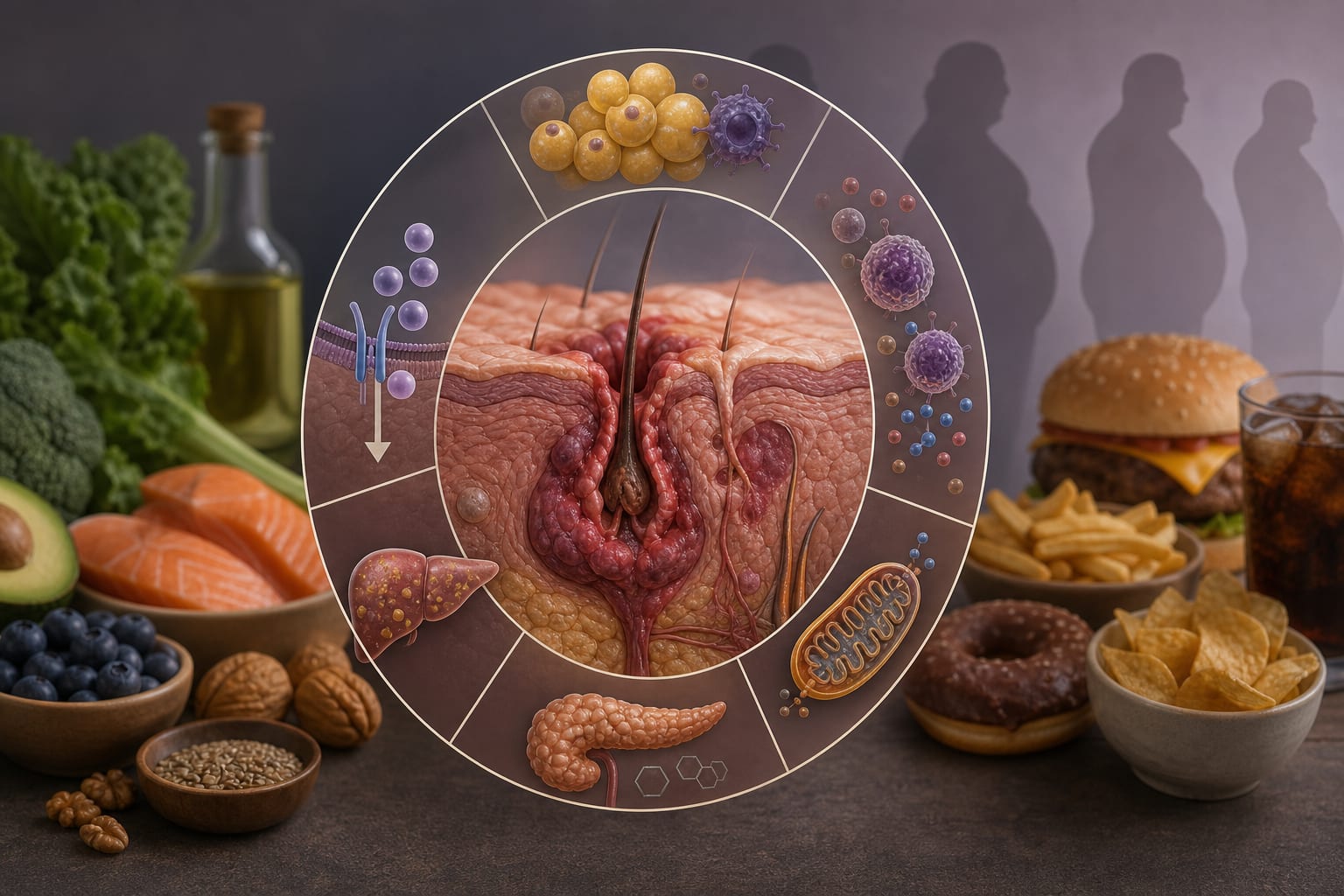
A billion-dollar acquisition, breakthrough clinical data, and a shifting scientific paradigm are pushing MASH out of the shadows and into a new era of metabolic medicine.
Recent advancements in the treatment of metabolic dysfunction-associated steatohepatitis (MASH) signal a transformative shift in managing this prevalent condition. Key developments include promising phase III results for efruxifermin and new therapeutic targets that address the interconnected nature of metabolic dysfunction.
Background
MASH, affecting approximately 115 million people globally, is a severe form of nonalcoholic fatty liver disease linked to obesity and type 2 diabetes. The lack of effective treatments has made it a critical area of focus in cardiometabolic medicine. Recent investments and clinical trials indicate a potential breakthrough in therapeutic strategies aimed at reversing fibrosis and improving systemic metabolic health.
Data Highlights
No specific numerical data presented in the article.
Key Findings
Recent phase III trials for efruxifermin show histologic improvement in MASH patients.
Rivus’s HU-6 demonstrated significant liver fat reduction in treated patients.
MetaVia’s vanoglipel improved glucose control and liver health after 16 weeks of treatment.
The global market for MASH treatments is projected to exceed $20 billion by 2030.
Future clinical endpoints will likely include systemic outcomes beyond fibrosis regression.
Clinical Implications
Healthcare professionals should consider the evolving landscape of MASH treatments that emphasize metabolic health alongside liver disease management. The integration of therapies targeting metabolic dysfunction may lead to improved patient outcomes and a more comprehensive approach to care.
Conclusion
The advancements in MASH treatment represent a pivotal moment in addressing a widespread health issue. Continued innovation and collaboration in this field are essential for translating scientific progress into meaningful clinical benefits.