Social Media Use and Anxiety Symptoms Among Health Care Workers During COVID-19: A Cross-Sectional Secondary Data Study
-
By
-
Melissa Powell
-
Kristen Choi
-
Russell G Buhr
-
Lauren E Wisk
-
October 15, 2026
Clinical Report: Social Media Use and Anxiety Symptoms Among Health Care Workers During COVID-19
Overview
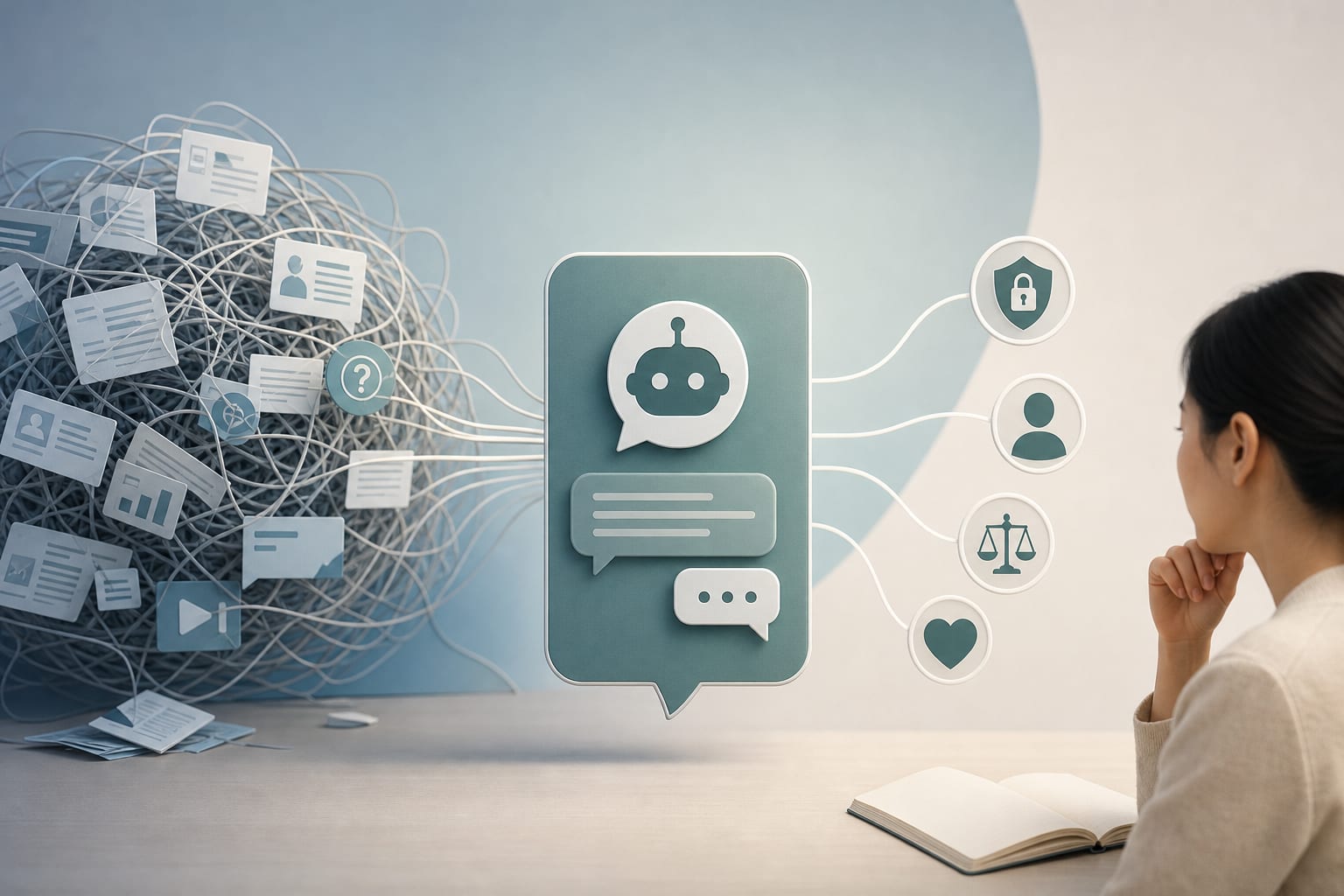
The article frames social media use as an understudied factor in health care workers’ mental health during the COVID-19 pandemic. The supplied material describes potential harms, including information overload, alongside possible benefits such as education and connection, but does not provide the focal study’s methods or results.
Background
Health care workers experienced substantial occupational stress during the pandemic, which was associated with concerns about burnout and well-being. CDC data cited in the article report that nearly half of health care workers reported burnout in 2022, compared with one-third in 2018, while turnover intention increased by 11%. Prior literature discussed in the article links media-related information overload with COVID-19 fatalism and exhaustion, while also describing social media as a means of education, connection, and health promotion. The article identifies the relationship between social media use and anxiety symptoms among health care workers as an area requiring further study.
Data Highlights
| Measure or finding | Reported value | Source context |
|---|---|---|
| Health care workers reporting burnout | Nearly half in 2022; one-third in 2018 | CDC data cited in the article |
| Increase in turnover intention among health care workers | 11% | 2018–2022, as reported in the cited CDC source |
Key Findings
- The article identifies the association between social media use and anxiety symptoms among health care workers during COVID-19 as understudied.
- The cited CDC report indicates that burnout among health care workers rose from one-third in 2018 to nearly half in 2022, and turnover intention increased by 11% over the same period.
- Prior literature cited in the article associates media-related information overload with COVID-19 fatalism and exhaustion among health care professionals.
- The article notes that social media may also support health care workers through education, connection, and health promotion; the appropriate level of exposure is not established in the supplied text.
- The supplied material does not include the focal study’s sample, measures, statistical results, or conclusions, so no study-specific association can be reported.
- Related CDC/NIOSH guidance describes a hospital-tested, organizational approach to reducing burnout, including addressing barriers to help-seeking and involving staff in decisions.
Clinical Implications
The supplied material supports recognizing social media exposure as a potential factor to examine when considering health care workers’ well-being, while acknowledging that it may also provide educational and social benefits. CDC/NIOSH guidance cited in the web research context emphasizes organizational approaches, including reducing barriers to help-seeking and engaging staff in workplace decisions.
Conclusion
The source presents social media use as a potentially relevant but insufficiently studied aspect of health care workers’ anxiety during the COVID-19 pandemic. The provided text does not report the focal study’s results, limiting conclusions about the direction or magnitude of any association.
Related Resources & Content
- Centers for Disease Control and Prevention, Vital Signs, 2023 — Health workers face a mental health crisis
- Bansal P, Bingemann TA, Greenhawt M, et al, Journal of Allergy and Clinical Immunology: In Practice, 2020 — Clinician wellness during the COVID-19 pandemic: extraordinary times and unusual challenges for the allergist/immunologist
- Farsi D, Journal of Medical Internet Research, 2021 — Social media and health care, part I: literature review of social media use by health care providers
- Li W, Khan AN, Inquiry, 2022 — Investigating the impacts of information overload on psychological well-being of healthcare professionals: role of COVID-19 stressor
- CDC/NIOSH, 2024 — Impact Wellbeing Guide for hospital leaders
- Journal of General Internal Medicine — Prevalence and Treatment of Anxiety and Depression Among US Healthcare Workers, 2021–2024
- MDSpire News — The Mental Health Gap Doctors Don’t Close
- ASCO Publications — Social Media Perceptions of Surgical Cancer Care in the Era of COVID-19: A Global Cross-Sectional Study
- ASCO Publications — Social Media Perceptions of Surgical Cancer Care in the Era of COVID-19: A Global Cross-Sectional Study
- CDC/NIOSH Impact Wellbeing Guide for hospital leaders
- NICE: Generalised anxiety disorder and panic disorder in adults: management
- CDC's National Institute for Occupational Safety and Health's Impact Wellbeing™ Campaign Releases Hospital-Tested Guide to Improve Healthcare Worker Burnout | Newsroom | CDC
- Overview | Generalised anxiety disorder and panic disorder in adults: management | Guidance | NICE
- Social anxiety and problematic social media use: A systematic review and meta-analysis - ScienceDirect
Based on findings from:
Exploring Social Media Use and Anxiety Symptoms in Health Care Workers During the COVID-19 Pandemic: Cross-Sectional Secondary Data Analysis
Melissa Powell, Kristen Choi, Russell G Buhr, Lauren E Wisk. Journal Of Medical Internet Research, 2026.
https://www.jmir.org/2026/1/e102008
This content is an AI-generated, fully rewritten summary based on a published scholarly article. It does not reproduce the original text and is not a substitute for the original publication. Readers are encouraged to consult the source for full context, data, and methodology.