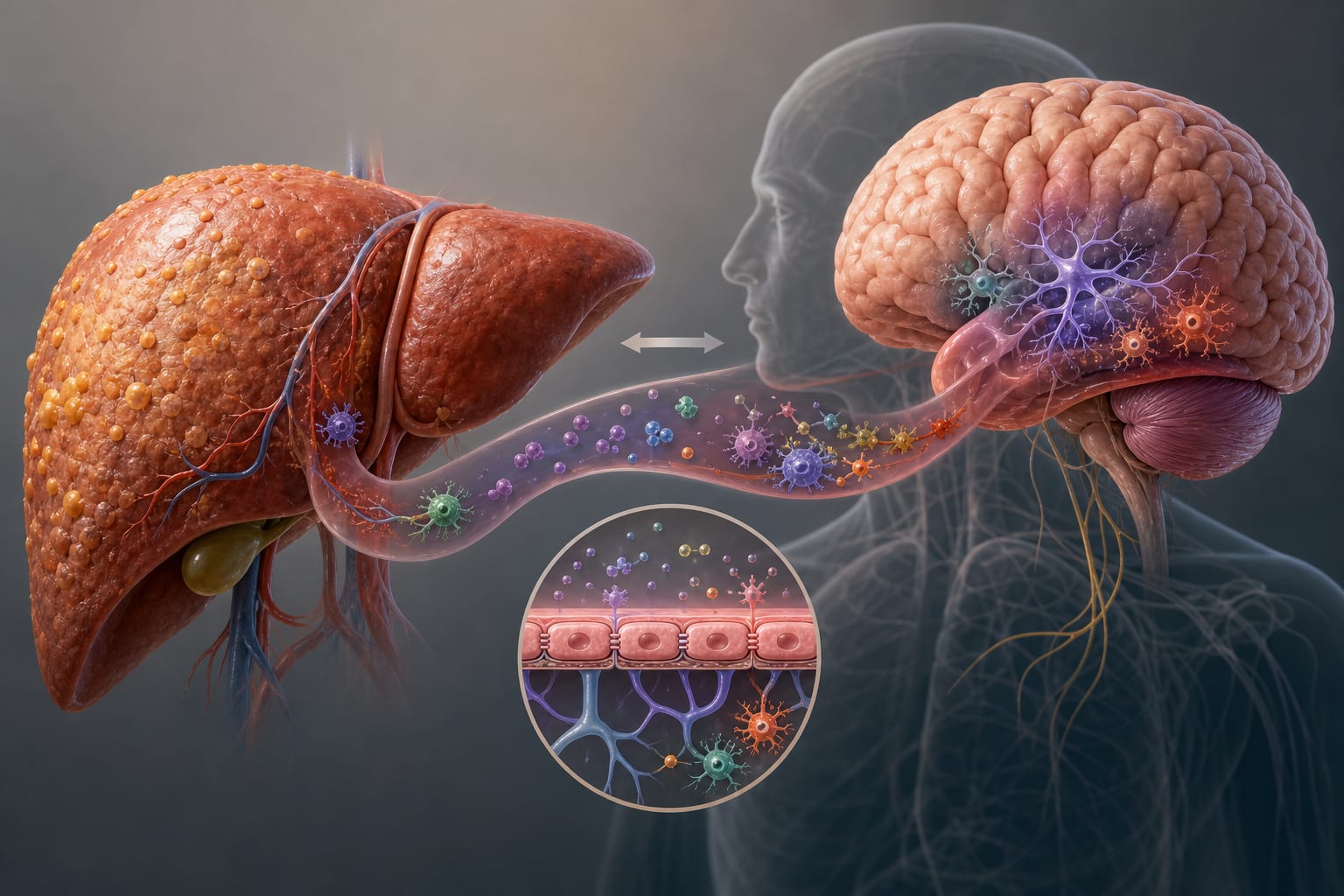
Clinical Report: The Role of HMGB1-TLR4 Signaling in Neuroinflammation
Overview
This study investigates the HMGB1-TLR4 signaling pathway's role in neuroinflammation and its impact on infantile epileptic spasms syndrome (IESS) in a rat model. Findings indicate that prenatal stress combined with NMDA induces neuroinflammation.
Background
Infantile epileptic spasm syndrome (IESS) is a severe form of epilepsy affecting infants, with a complex and often unclear etiology. Neuroinflammation is increasingly recognized as a significant factor in the development of epilepsy.
Data Highlights
Group
Seizure Latency
Seizure Severity
HMGB1 Expression
TLR4 Expression
ACTH
Prolonged
Reduced
Downregulated
Downregulated
Anti-HMGB1
Prolonged
Reduced
Downregulated
Downregulated
Combination
Optimal
Optimal
Downregulated
Downregulated
Key Findings
Prenatal stress combined with NMDA effectively established a stable IESS model in rats.
HMGB1, TLR4, iNOS, IL-1β, IL-2R, IL-8, and TNF-α levels were significantly upregulated in the IESS model.
Arg1 expression was markedly downregulated in the IESS model.
Treatment with ACTH and anti-HMGB1 prolonged seizure latency and reduced seizure severity.
The combination of ACTH and anti-HMGB1 showed optimal therapeutic efficacy.
Clinical Implications
The findings indicate the HMGB1-TLR4 signaling pathway's involvement in IESS. Further research is needed to explore the implications of ACTH and anti-HMGB1 treatments.
Conclusion
The study highlights the role of the HMGB1/TLR4 pathway in neuroinflammation associated with IESS.