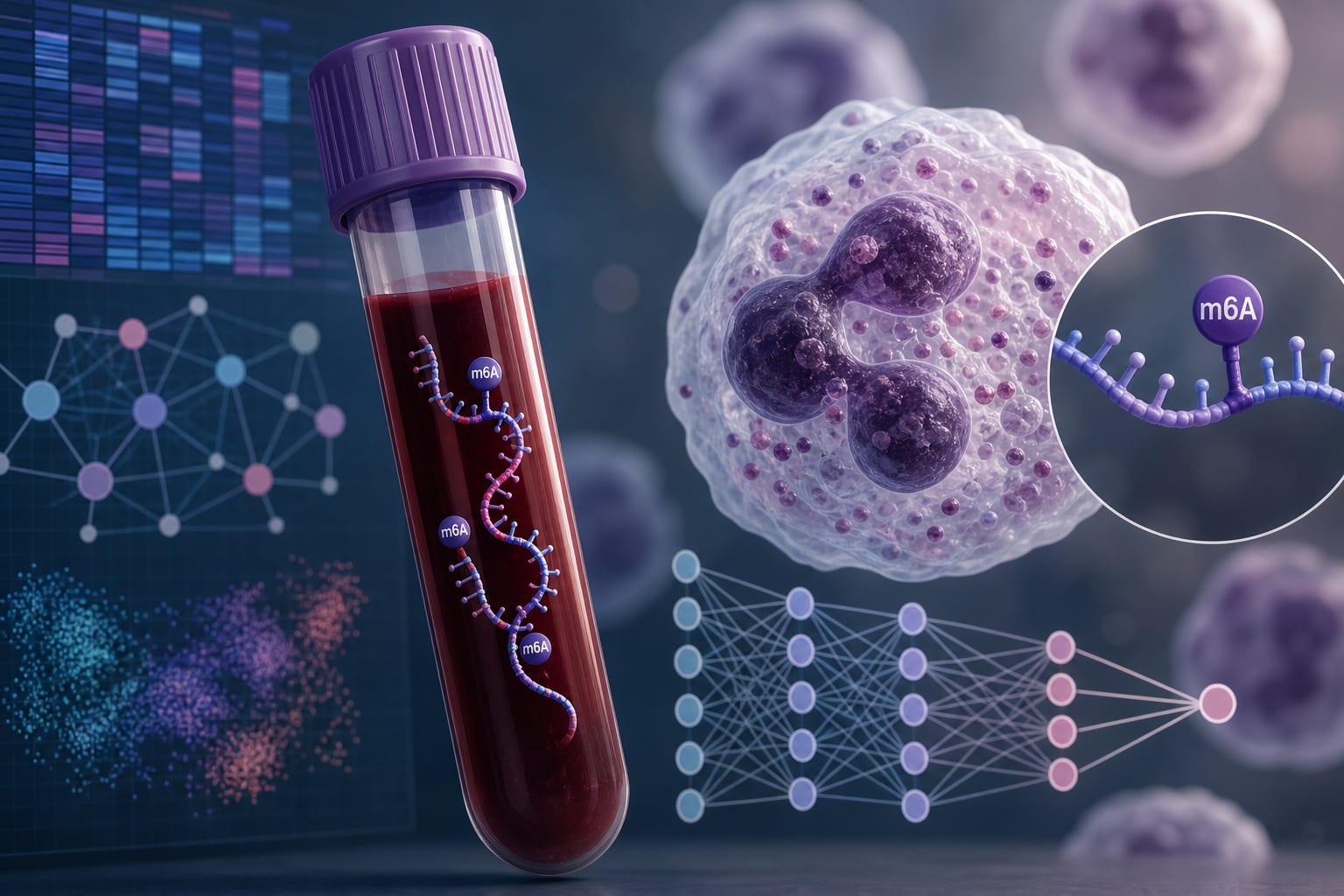
Cytokine-Driven Changes in Chromatin Accessibility of Neutrophils in Sepsis
Overview
Revise to specify the correlation between chromatin accessibility changes and transcriptional profiles, including the inflammatory factors involved.
Background
Neutrophils are critical components of the innate immune response, particularly in sepsis, where they can contribute to both pathogen clearance and tissue damage. Understanding the regulatory mechanisms that govern neutrophil function, including chromatin accessibility, is essential for addressing the heterogeneity of immune responses in sepsis. This research provides insights into how inflammatory signals shape neutrophil behavior and may inform therapeutic strategies.
Data Highlights
No numerical data provided in the article.
Key Findings
Natural inflammatory factors (NFs) induce distinct chromatin accessibility programs in neutrophils compared to PMA stimulation.
Specific transcription factor motifs were enriched in response to individual NFs: GM-CSF with STAT, TNF-α with NF-κB, and C5a/fMLP with AP-1.
Combined NF stimulation resulted in a cooperative chromatin response, including CEBP motif enrichment.
Changes in promoter accessibility under NF stimulation correlated with transcriptional states linked to sepsis severity.
This study establishes a framework for linking cytokine-driven neutrophil regulation to inflammatory states in sepsis.
Clinical Implications
Expand on practical assessment methods for neutrophil chromatin accessibility in clinical settings.
Conclusion
Reiterate the potential impact of findings on future sepsis management strategies.