Clinical Report: Impact of a Sucrose-Excluded Low-Fat Diet on Metabolic Health
Overview
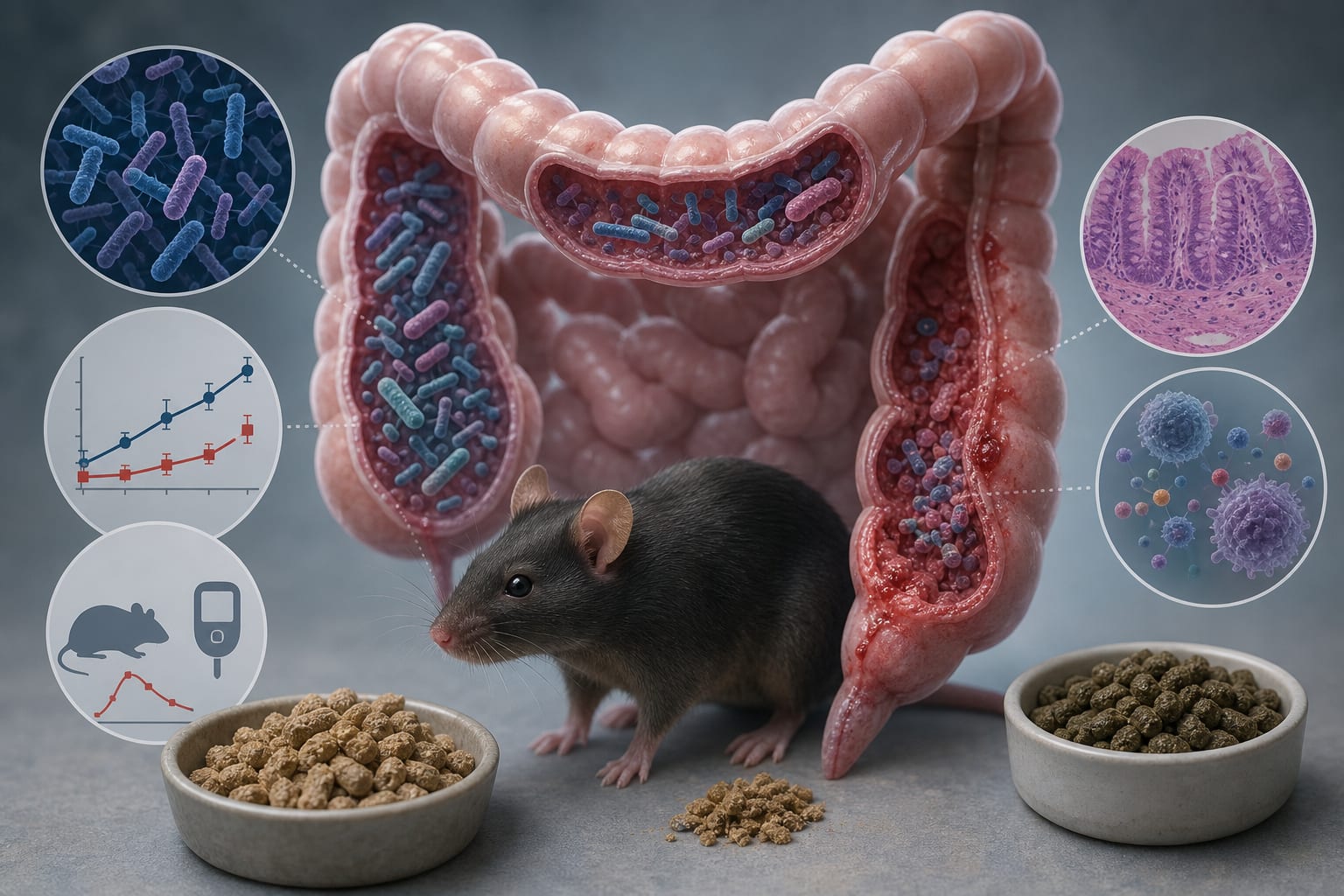
This study investigates the effects of a sucrose-free low-fat diet (SF-LFD) on metabolic health in murine models, revealing significant disruptions in gut microbiota and metabolic parameters. SF-LFD led to impaired glucose tolerance, altered metabolic hormones, and pronounced colonic inflammation.
Background
Low-fat diets are commonly recommended for metabolic health, yet the specific impact of sucrose elimination within these diets is not well understood. This research highlights the potential adverse effects of a sucrose-free low-fat diet on metabolic parameters and gut health.
Data Highlights
Parameter
SF-LFD
C-LFD
Body Weight
Unchanged
Unchanged
Liver Weight
Unchanged
Unchanged
Glucose Tolerance
Impaired
Normal
Insulin Sensitivity
Reduced
Normal
Inflammatory Mediators
Increased
Normal
Key Findings
SF-LFD resulted in impaired glucose tolerance and reduced insulin sensitivity.
Circulating metabolic hormones were altered, with elevated C-peptide, incretins, ghrelin, and resistin.
Gut microbiota diversity was significantly disrupted, with depletion of beneficial taxa.
Colonic inflammation was characterized by crypt disruption and increased immune cell infiltration.
Hepatic inflammation and microvesicular steatosis were observed following SF-LFD feeding.
Clinical Implications
The findings suggest that sucrose exclusion from low-fat diets may lead to metabolic dysfunction and gut inflammation. Clinicians should consider the implications of dietary composition on metabolic health when advising patients on dietary changes.
Conclusion
This study highlights the potential negative effects of a sucrose-free low-fat diet on metabolic health and gut microbiota, emphasizing the need for further research in dietary guidelines.
A nationwide German claims analysis found lower initiation of guideline-recommended sodium-glucose cotransporter-2 inhibitors among women and patients living in lower-income municipalities.