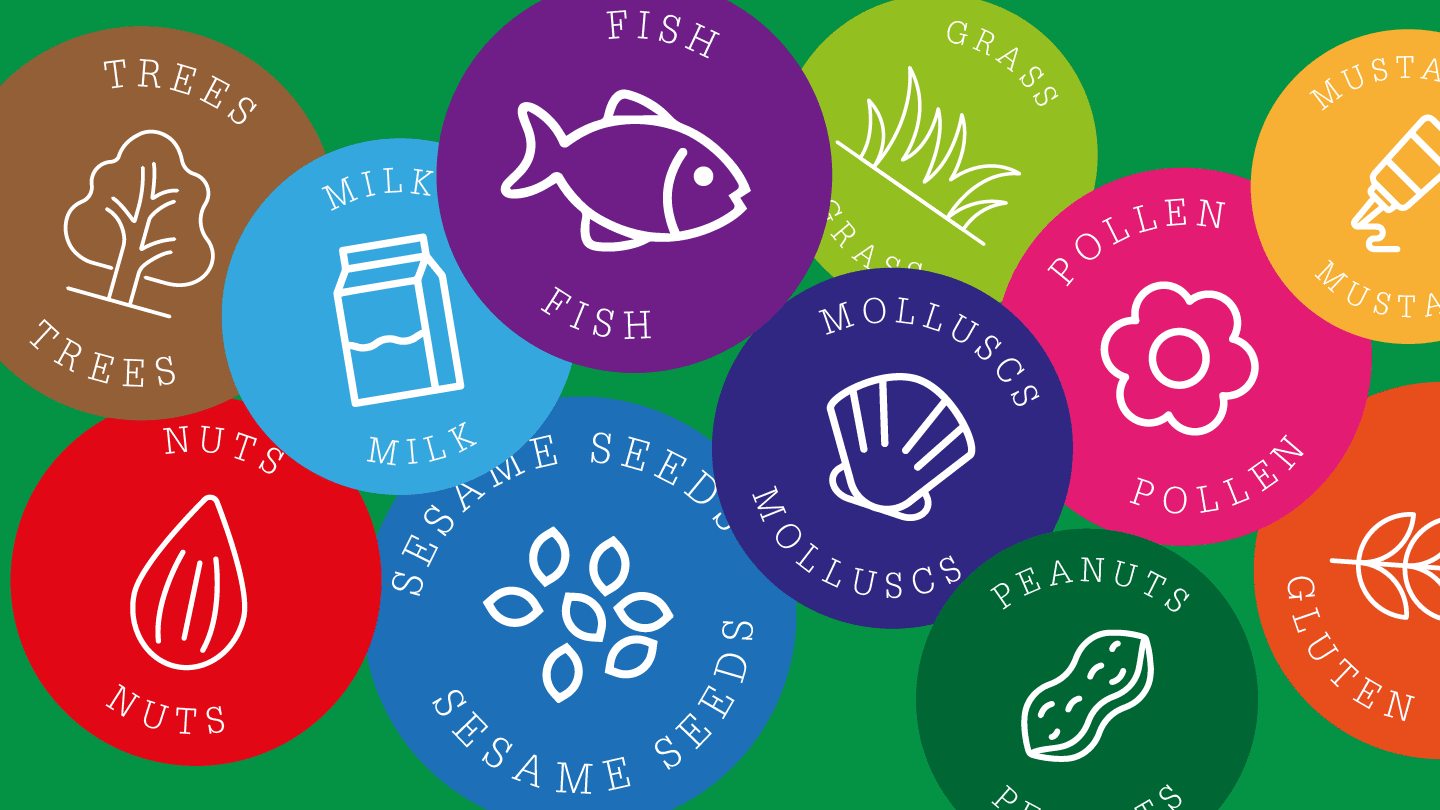
Clinical Scorecard: UK Launches National Allergy Strategy
At a Glance
| Category | Detail |
|---|---|
| Condition | Allergic diseases including allergic rhinitis, eczema, and anaphylaxis |
| Key Mechanisms | Fragmented allergy services, rising prevalence, limited specialist capacity, inconsistent care pathways |
| Target Population | People affected by allergic diseases in the UK (approximately one in three) |
| Care Setting | Primary care, specialist immunology services, community-based services, schools, catering, retail, transport |
Key Highlights
- One in three people in the UK are affected by allergic diseases, with rising prevalence and hospital admissions.
- The strategy proposes a coordinated four-nation approach to improve prevention, diagnosis, treatment, and long-term management.
- Key priorities include reducing preventable harm, improving quality of life, addressing health inequalities, and building a sustainable allergy workforce.
Guideline-Based Recommendations
Diagnosis
- Improve access to specialist immunology services to meet clinical demand.
- Establish consistent standards of care and better coordination during transitions between services.
Management
- Embed allergy care into workforce planning and professional education.
- Strengthen community-based allergy services.
- Improve access to effective treatments and essential medicines.
Monitoring & Follow-up
- Create a national allergy register to support surveillance and service planning.
- Enhance national data collection on allergy prevalence and outcomes.
Risks
- Address preventable harm such as severe allergic reactions and anaphylaxis.
- Reduce health inequalities linked to geography and socioeconomic status.
Patient & Prescribing Data
Patients with allergic diseases attending general practice
Allergic diseases account for around 6% of GP visits and 10% of GP prescribing budget, indicating high treatment demand.
Clinical Best Practices
- Provide mandatory allergy training in schools and other public sectors to improve safety.
- Ensure protected time and resources for consultant immunologists to train and retain workforce.
- Coordinate multi-sectoral action across healthcare, education, food regulation, and workplace settings.
Related Resources & Content
- National Allergy Strategy UK
- Royal College of Pathologists Immunology Specialty Advisory Committee statement
Based on findings from:
UK Launches National Allergy Strategy
The Pathologist, 2026.
https://www.thepathologist.com/issues/2026/articles/april/uk-launches-national-allergy-strategy/
This content is an AI-generated, fully rewritten summary based on a published scholarly article. It does not reproduce the original text and is not a substitute for the original publication. Readers are encouraged to consult the source for full context, data, and methodology.