Clinical Scorecard: Physical Activity Enhances Communication Between Skeletal Muscle and Heart: The Role of Muscle-Derived Exosomal miRNAs in Cardiac Aging
At a Glance
Category
Detail
Condition
Sarcopenic Cardiomyopathy
Key Mechanisms
Bimodal skeletal muscle-derived extracellular vesicle (SkM-EV) and microRNA (miRNA) axis in cardiac aging.
Target Population
Aging populations with sarcopenia and heart failure.
Care Setting
Clinical and research settings focusing on cardiovascular health and exercise physiology.
Key Highlights
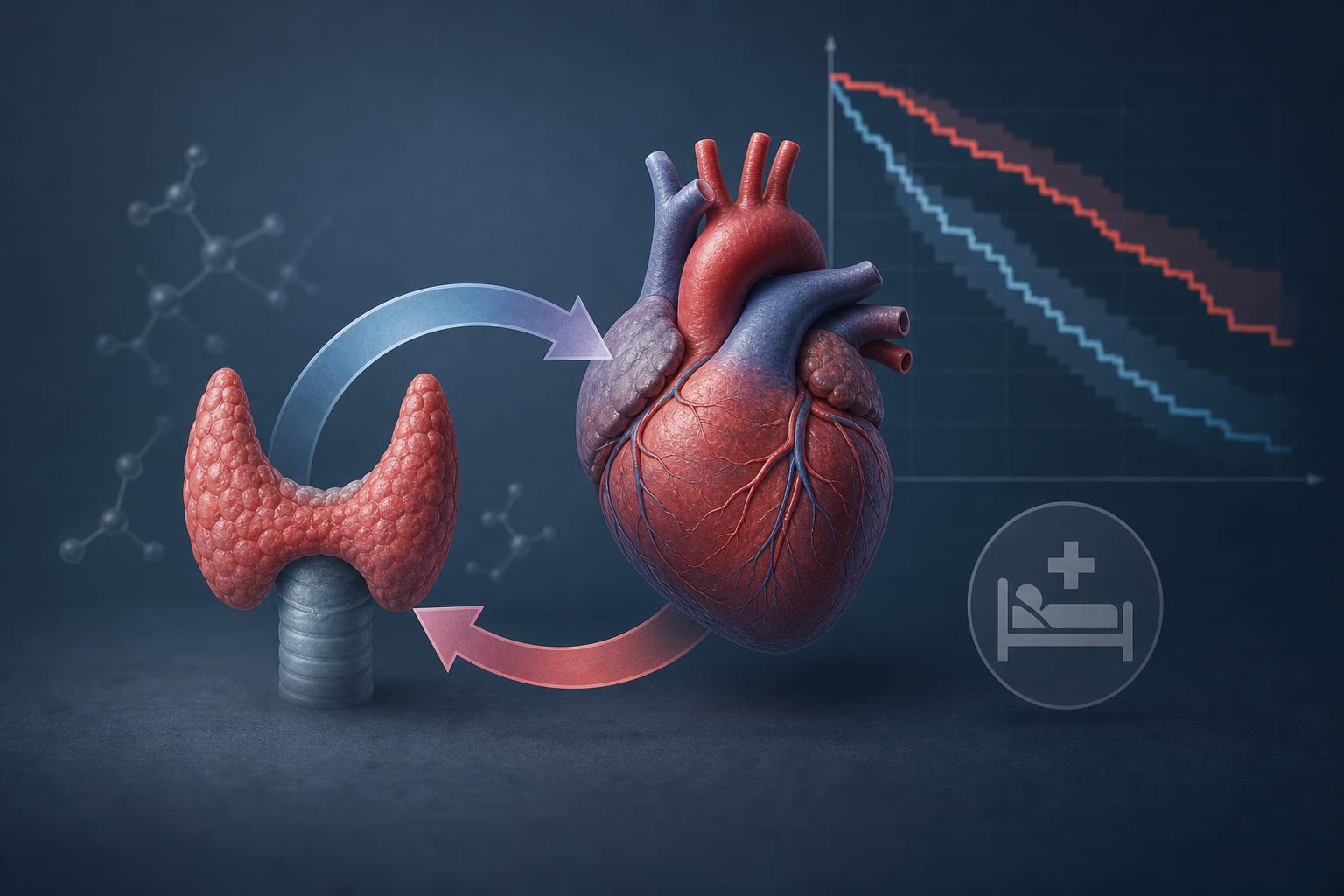
Skeletal muscle acts as an endocrine organ, influencing cardiac health.
Aging and sarcopenia lead to the release of senescence-associated extracellular vesicles (EVs).
Regular exercise promotes the release of cardioprotective myomiRs via SkM-EVs.
SkM-EVs can propagate cardiac inflammaging and structural remodeling.
Targeting the SkM-EV axis may lead to novel therapies for sarcopenic cardiomyopathy.
Guideline-Based Recommendations
Diagnosis
Identify sarcopenic cardiomyopathy through clinical assessment of muscle mass and function.
Management
Incorporate regular physical activity to enhance muscle-derived signaling and cardiac health.
Monitoring & Follow-up
Monitor changes in skeletal muscle mass and cardiac function in aging populations.
Risks
Increased risk of heart failure and systemic frailty due to sarcopenia.
Patient & Prescribing Data
Older adults with sarcopenia and cardiovascular disease.
Exercise may serve as a non-pharmacological intervention to improve cardiac function and muscle health.
Clinical Best Practices
Encourage physical activity as a standard part of care for aging patients.
Utilize biomarkers from SkM-EVs for potential liquid biopsy applications.
Shear wave velocity measurements in the basal anteroseptal and right ventricular walls differed between transthyretin and light chain cardiac amyloidosis when conventional echocardiographic parameters did not.