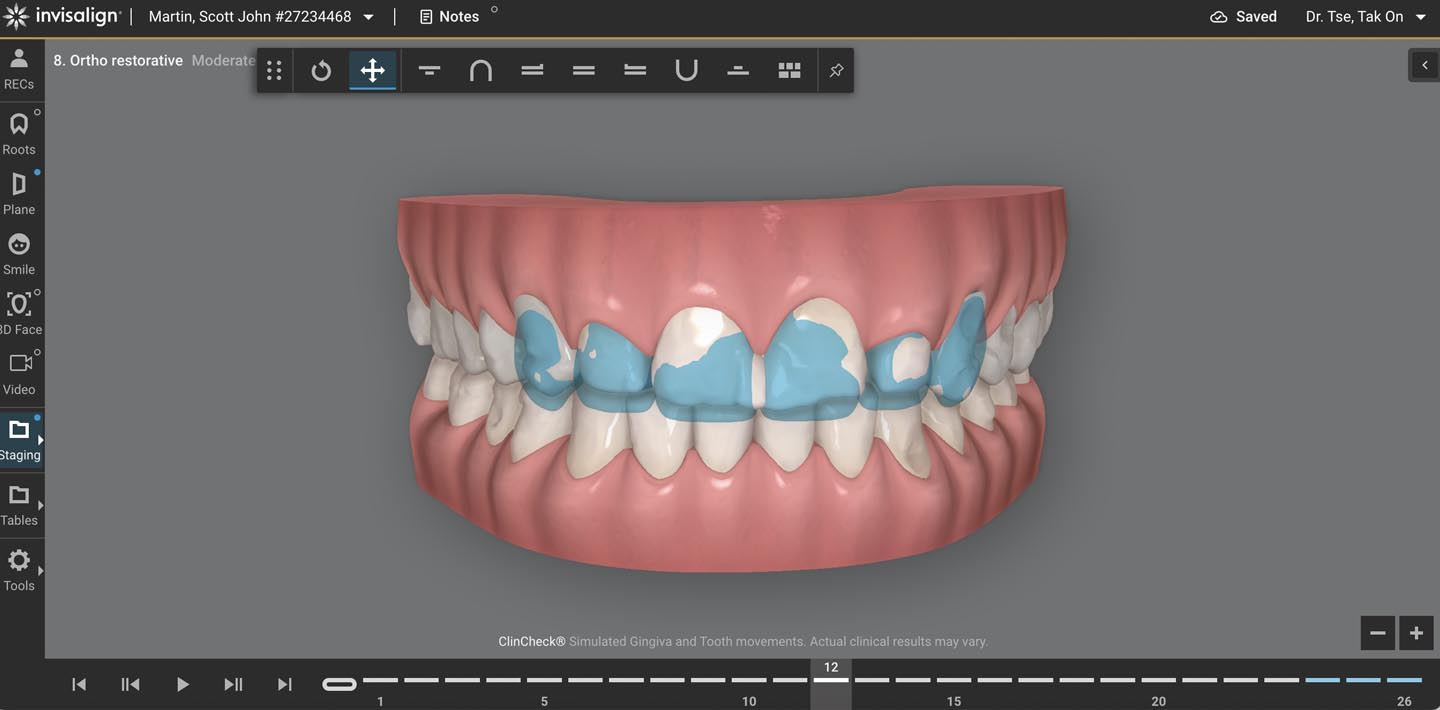
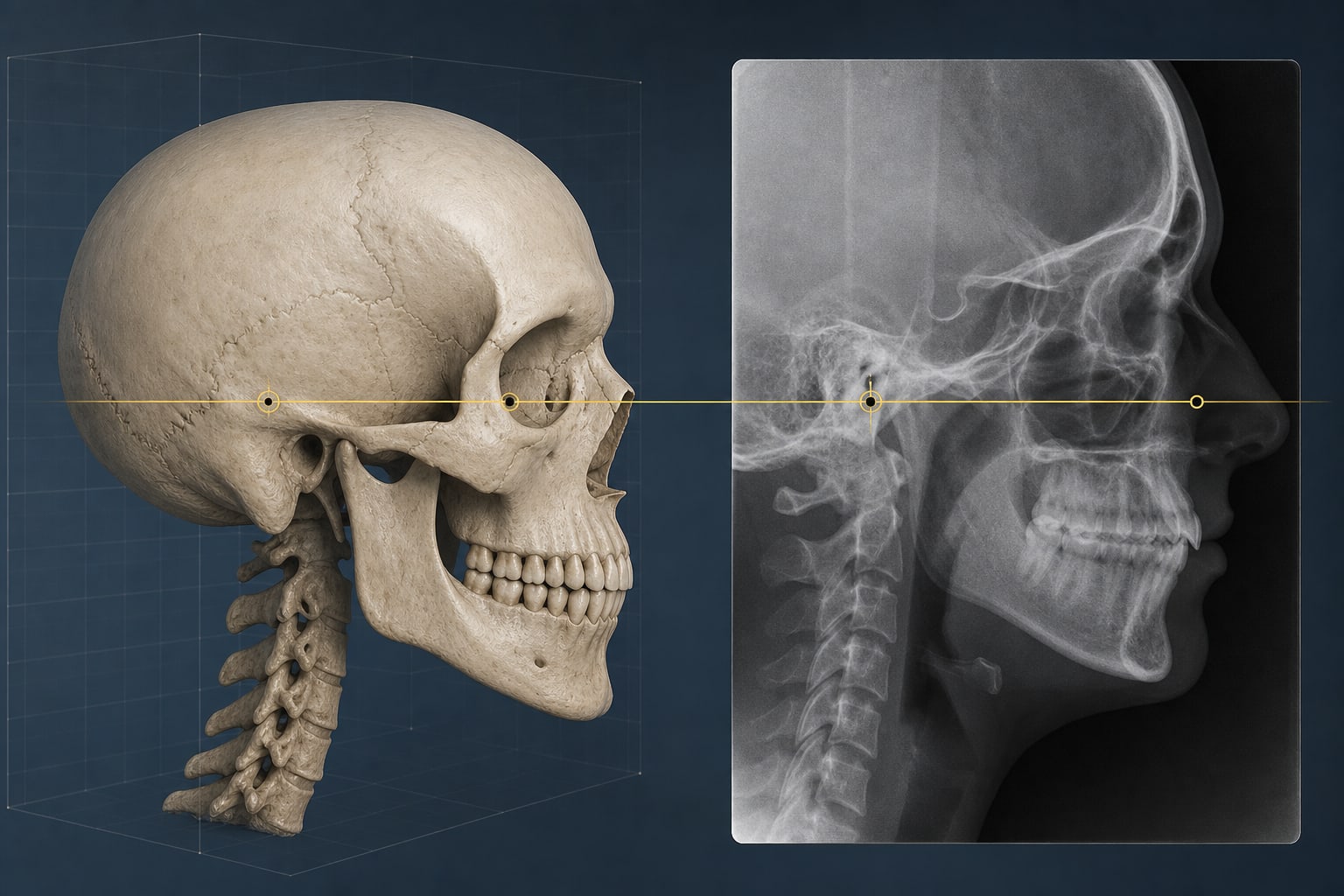
Functional Esthetic Rehabilitation of Severe Erosive Tooth Wear Using Aligner Therapy and an Additive Digital Workflow
-
By
-
Ryan Tak On Tse
-
September 1, 2026
-
Clinical Scorecard: Functional Esthetic Rehabilitation of Severe Erosive Tooth Wear Using Aligner Therapy and an Additive Digital Workflow
At a Glance
| Category | Detail |
|---|
| Condition | Severe Erosive Tooth Wear |
| Key Mechanisms | Increasing occlusal vertical dimension (OVD) to create restorative space and optimize esthetics and function. |
| Target Population | Patients with severe dental erosion, particularly those with Angle class I occlusions. |
| Care Setting | Restorative dentistry with a focus on interdisciplinary collaboration. |
Key Highlights
- Aligner therapy aids in correcting anterior relationships and optimizing space distribution.
- Increasing OVD is critical for full-mouth rehabilitation in cases of severe tooth wear.
- A comprehensive diagnostic workup and risk assessment are essential for successful outcomes.
- Potential adverse effects of increasing OVD include compromised esthetics and patient discomfort.
- Minimally invasive restorative protocols are emphasized to preserve tooth structure.
Guideline-Based Recommendations
Diagnosis
- Conduct a thorough diagnostic workup including medical history and intraoral examination.
Management
- Utilize aligner therapy and digital workflows for treatment planning and execution.
Monitoring & Follow-up
- Regularly assess the patient's adaptation to changes in occlusal vertical dimension.
Risks
- Monitor for potential adverse effects such as altered phonetics and transient muscular symptoms.
Patient & Prescribing Data
Adults with severe erosive tooth wear and history of bulimia nervosa.
A multidisciplinary approach is necessary to achieve functional and esthetic goals.
Clinical Best Practices
- Implement a collaborative interdisciplinary approach for complex cases.
- Use digital mockups and virtual prosthetic design to guide restorative treatment.
- Prioritize minimally invasive techniques to enhance adhesive predictability.
Related Resources & Content