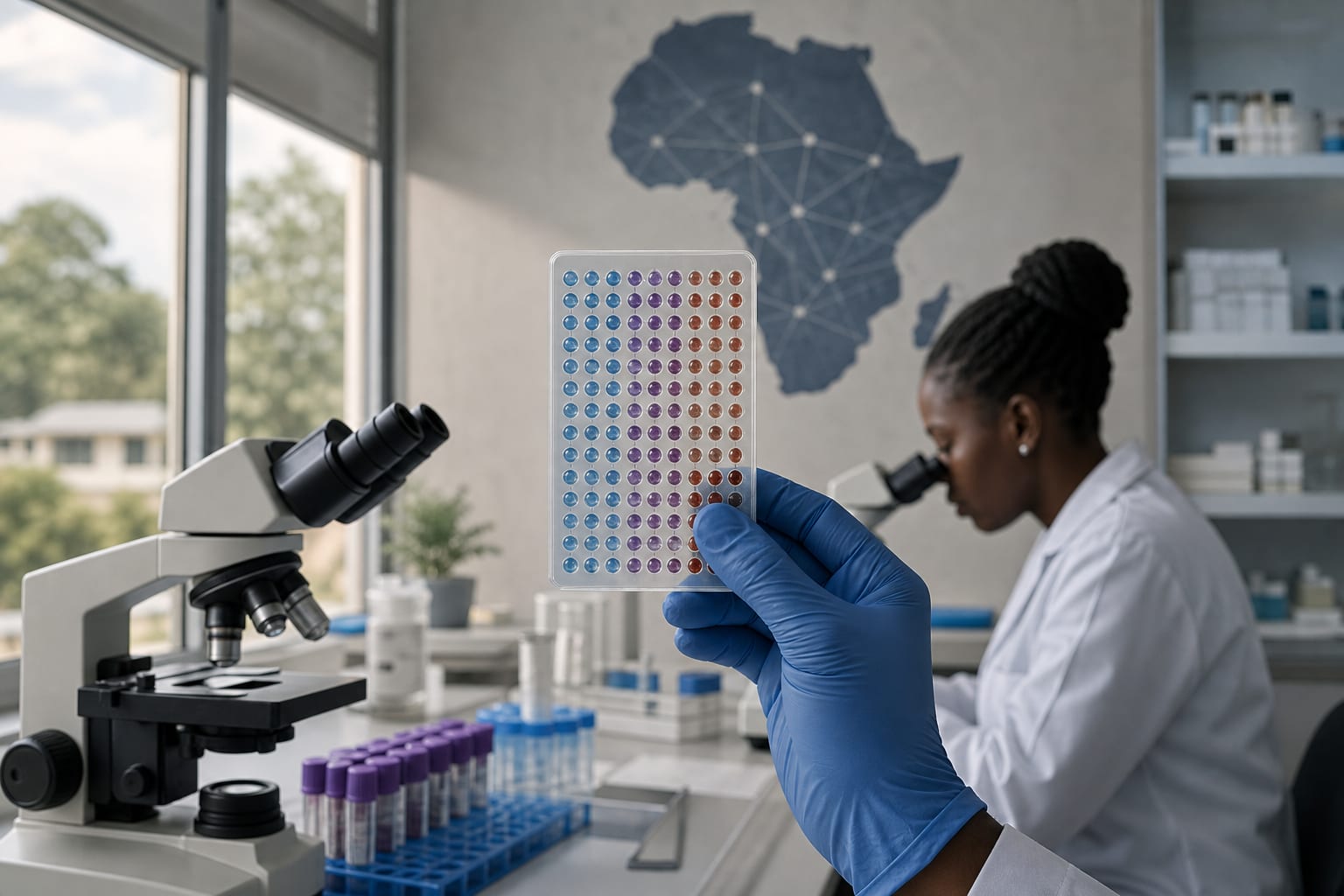
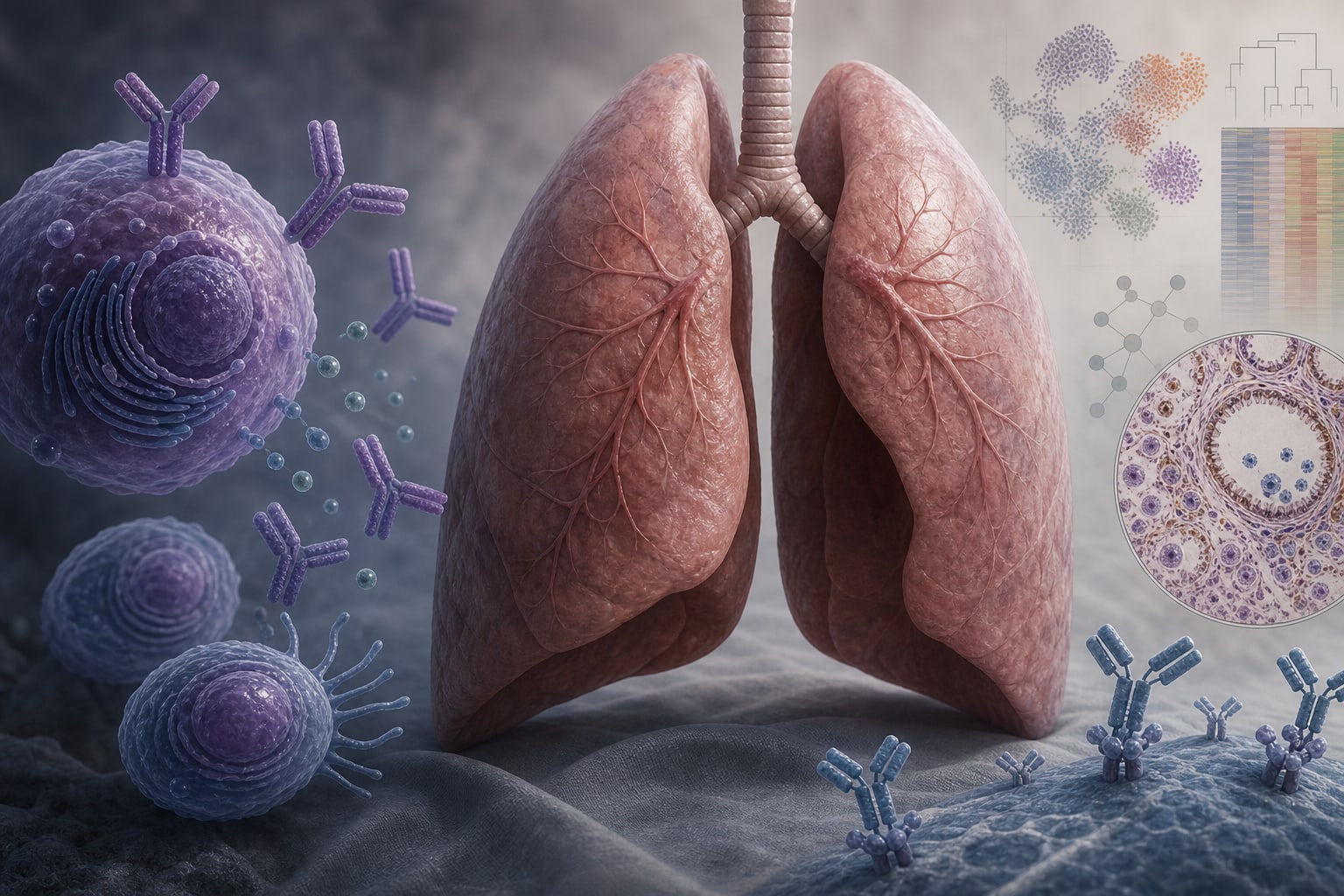
Bridging the immunology gap in sub-Saharan Africa
Clinical Scorecard: Addressing the Immunology Deficit in Sub-Saharan Africa
At a Glance
| Category | Detail |
|---|
| Condition | Immunology Education and Training |
| Key Mechanisms | Understanding host responses to infectious diseases and the development of vaccines. |
| Target Population | Undergraduate medical students in Sub-Saharan Africa. |
| Care Setting | Medical education and training institutions. |
Key Highlights
- Immunology is underrepresented in undergraduate curricula in Sub-Saharan Africa.
- Limited formal teaching constrains the pipeline of future scientists and clinicians.
- Advances in immunology have led to the development of biomarkers and host-directed therapies.
- Immunology training is crucial for effective vaccination strategies and biomarker-driven diagnostics.
- Some universities are introducing intercalated programs to enhance early research exposure.
Guideline-Based Recommendations
Diagnosis
- Utilize blood-based biomarkers to distinguish between latent and active TB.
Management
- Implement host-directed therapies to modulate immune pathways in diseases like tuberculosis.
Monitoring & Follow-up
- Track immune responses through advanced techniques like transcriptomics and proteomics.
Risks
- Lack of robust immunology training may hinder effective research and clinical practice.
Patient & Prescribing Data
Individuals at risk of infectious diseases, particularly TB.
Therapeutic interventions should focus on restoring immune balance rather than solely targeting pathogens.
Clinical Best Practices
- Enhance immunology education in undergraduate medical training.
- Encourage research topics relevant to local health challenges.
- Foster locally driven innovation in immunology.
Related Resources & Content