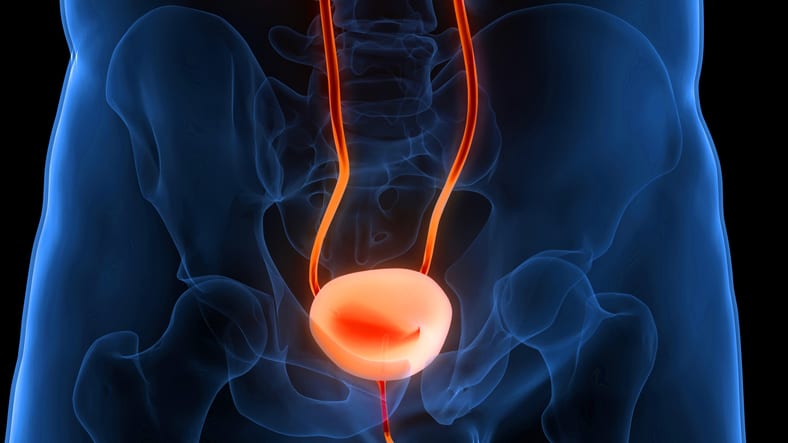
Study uncovers factors potentially associated with lower LUTS risk
Sexual frequency was associated with lower odds of urinary symptoms in a US cohort but not a Chinese cohort.
-
By
-
Andrea Surnit
-
August 21, 2026
-
Clinical Scorecard: Study uncovers factors potentially associated with lower LUTS risk
At a Glance
| Category | Detail |
|---|
| Condition | Lower Urinary Tract Symptoms (LUTS) |
| Key Mechanisms | Sexual behavior-related factors, including age at first sexual intercourse and sexual frequency. |
| Target Population | Adult men, specifically those aged 30 years and older. |
| Care Setting | Cross-sectional survey analysis |
Key Highlights
- Men who first had sexual intercourse at age 20 or older had lower odds of LUTS.
- Increased sexual frequency was associated with reduced odds of LUTS in the NHANES cohort.
- Hypertension and diabetes were nonsexual factors associated with LUTS in both cohorts.
- Immediate postcoital urination and use of sexual enhancement drugs increased odds of LUTS.
- Moderate to extreme satisfaction with sexual activity correlated with lower odds of LUTS.
Guideline-Based Recommendations
Diagnosis
- Assess LUTS using urinary habit questions or the International Prostate Symptom Score (IPSS).
Management
- Clinicians should assess sexual behaviors in patients with LUTS.
Monitoring & Follow-up
- Monitor for associations between sexual behavior and LUTS.
Risks
- Consider the impact of hypertension, diabetes, and sexual satisfaction on LUTS.
Patient & Prescribing Data
Adult men participating in NHANES and a cross-sectional survey in China.
No causal relationships established; modifying sexual behaviors may not reduce LUTS.
Clinical Best Practices
- Proactively assess sexual behaviors in patients with LUTS.
- Consider nonsexual factors such as hypertension and diabetes in LUTS management.
Related Resources & Content