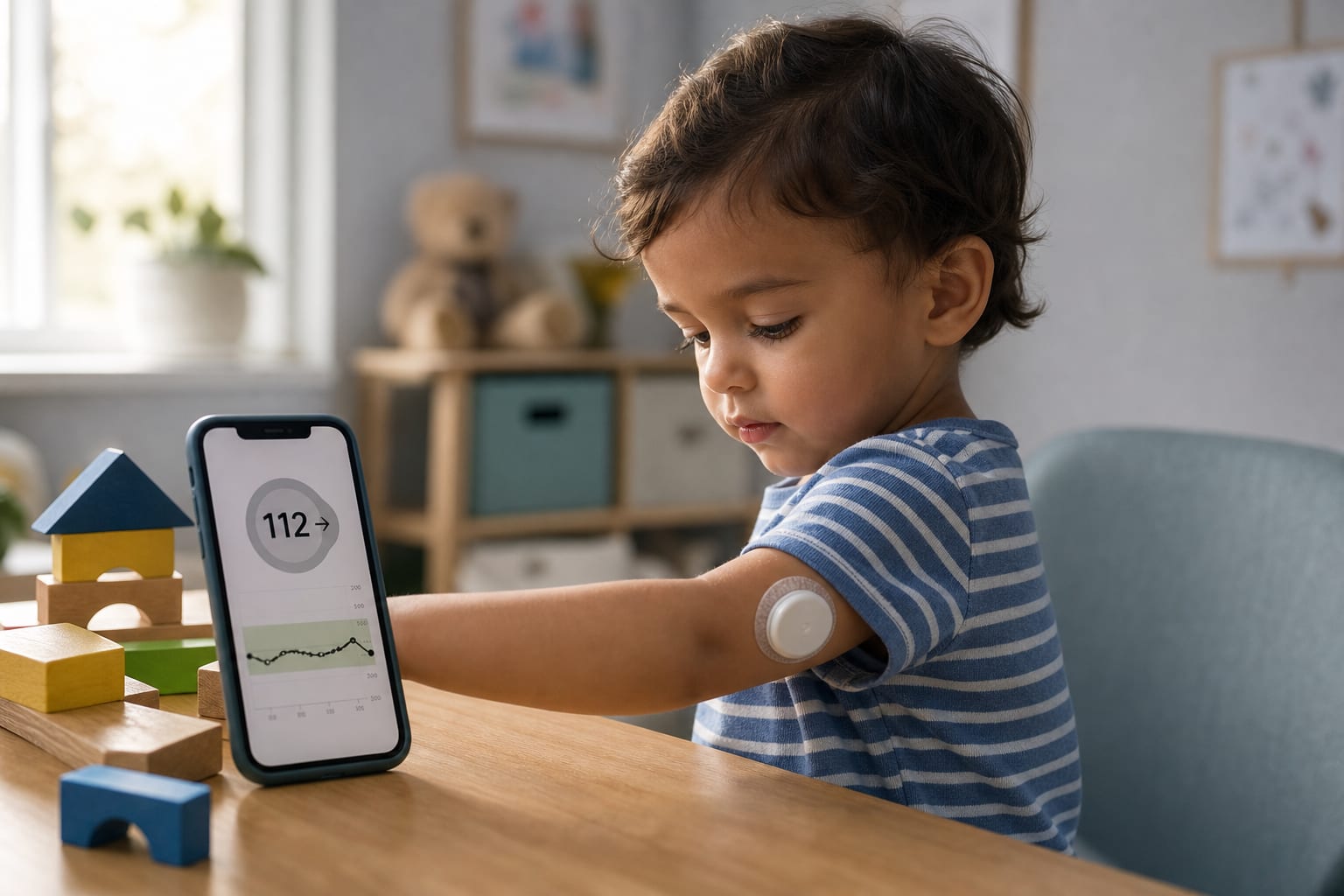
Are glucose monitors a good thing for 2-year-olds? Experts look at risks, benefits
-
By
-
Lauren Chan
-
July 8, 2026
-
Clinical Scorecard: Evaluating the Advantages and Disadvantages of Glucose Monitors for Toddlers Aged Two: Expert Insights
At a Glance
| Category | Detail |
|---|
| Condition | Continuous Glucose Monitoring (CGM) in Pediatrics |
| Key Mechanisms | Real-time glucose data collection to enhance glycemic awareness and inform dietary adjustments. |
| Target Population | Children aged 2 and older, particularly those at high risk for diabetes. |
| Care Setting | Pediatric endocrinology and outpatient care. |
Key Highlights
- CGMs can help track glucose patterns in response to meals and exercise.
- Over-the-counter CGMs may increase access for underserved populations.
- Concerns exist regarding the impact of CGMs on healthy children without diabetes.
- The FDA has approved CGMs for use in children 2 years and older without a prescription.
- Limited data on normal blood sugar ranges for children complicates CGM interpretation.
Guideline-Based Recommendations
Diagnosis
- Consider CGM for children with obesity, prediabetes, and type 2 diabetes not on insulin.
Management
- Use CGMs to inform dietary changes and glycemic management.
Monitoring & Follow-up
- Monitor blood glucose levels regularly, especially in high-risk populations.
Risks
- Potential for overreaction to CGM data in healthy children.
Patient & Prescribing Data
Children aged 2 and older, particularly those with obesity, prediabetes, and type 2 diabetes.
CGMs may provide valuable insights into blood glucose levels and dietary impacts.
Clinical Best Practices
- Educate families on interpreting CGM data to avoid unnecessary panic.
- Involve clinicians in the management of CGM data for children.
- Monitor for both hypo- and hyperglycemia episodes in pediatric patients.
Related Resources & Content