Clinical Scorecard: Elevated Area Deprivation Index Scores Correlate with Incomplete High-Resolution Manometry Findings in Achalasia Patients Undergoing Peroral Endoscopic Myotomy
At a Glance
Category
Detail
Condition
Achalasia
Key Mechanisms
Impaired lower esophageal sphincter relaxation leading to dysphagia, regurgitation, chest pain, and weight loss.
Target Population
Patients with Achalasia undergoing Peroral Endoscopic Myotomy (POEM).
Care Setting
Tertiary motility centers.
Key Highlights
High-Resolution Manometry (HRM) is the gold standard for diagnosing Achalasia.
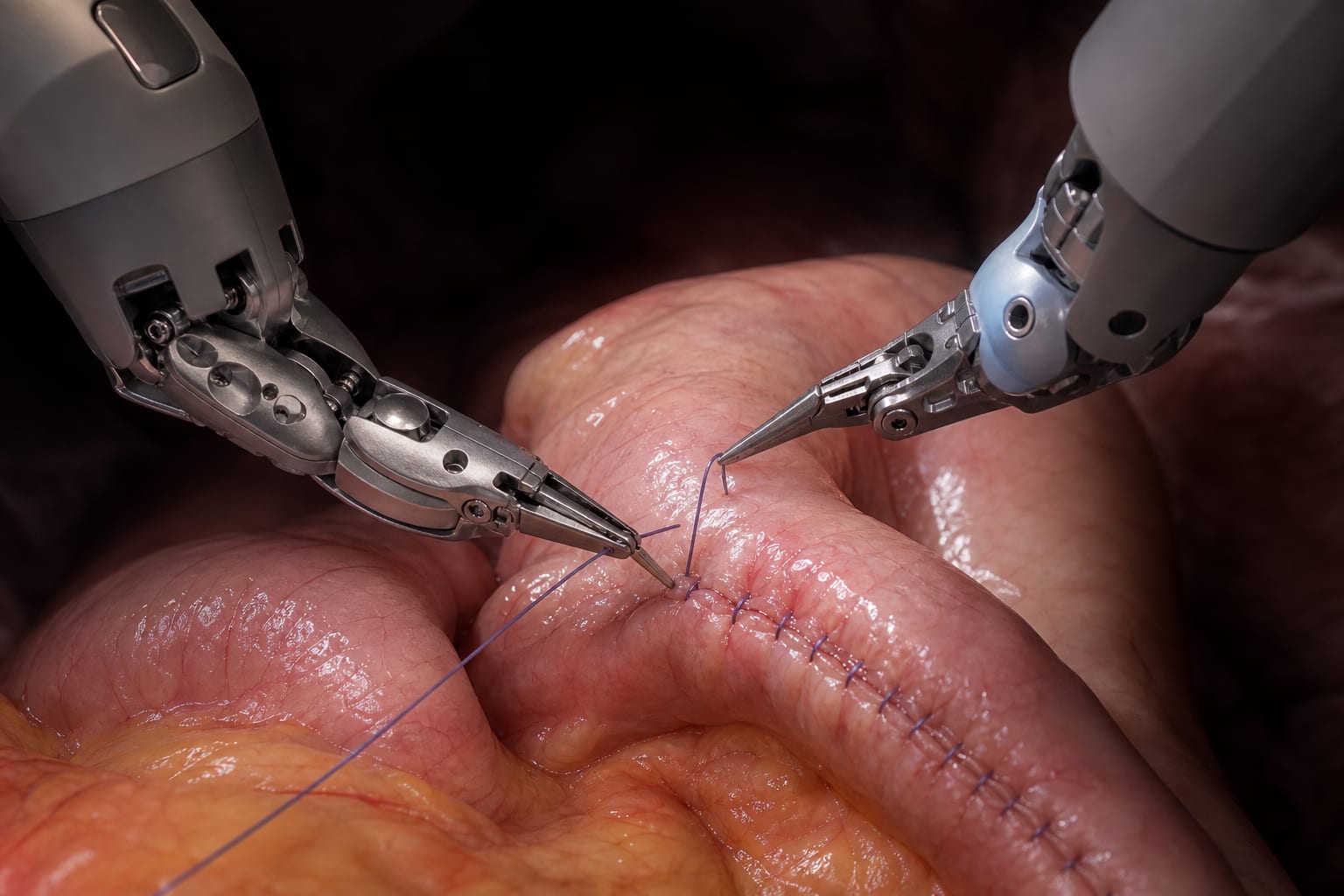
Peroral endoscopic myotomy (POEM) is a first-line treatment for Achalasia.
Higher Area Deprivation Index (ADI) scores are linked to lower rates of HRM completion.
Socioeconomic factors impact healthcare access and surgical outcomes in Achalasia patients.
Mississippi has significant healthcare access challenges, particularly in rural areas.
Guideline-Based Recommendations
Diagnosis
Use High-Resolution Manometry (HRM) for diagnosis based on the Chicago 4 Classification.
Management
Consider Peroral Endoscopic Myotomy (POEM) as a first-line treatment for Achalasia.
Monitoring & Follow-up
Assess post-operative follow-up adherence in patients undergoing POEM.
Risks
Higher ADI scores may correlate with reduced healthcare access and poorer surgical outcomes.
Patient & Prescribing Data
Patients aged 18 years or older with Achalasia.
POEM shows high clinical success and symptomatic improvement compared to other treatments.
Clinical Best Practices
Utilize HRM to guide treatment plans for Achalasia patients.
Address socioeconomic barriers to improve access to HRM and surgical interventions.