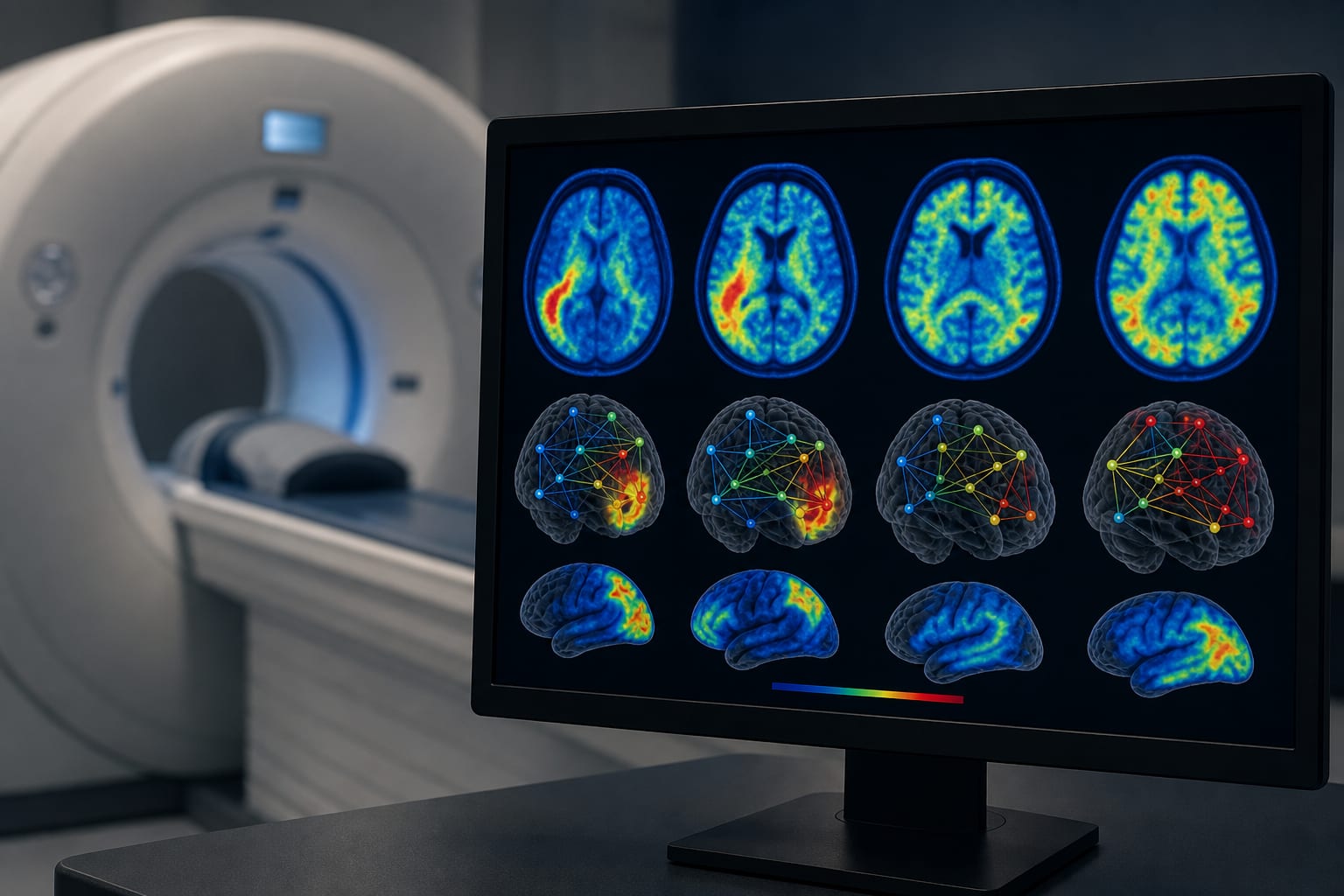
TSC-associated microglial hyperactivity: enhanced calcium signaling, metabolism, and phagocytosis
By
Rozemarijn S. Kalf
Mark J. Luinenburg
Giulia Dematteis
Mirte Scheper
Jasper J. Anink
Giulia Cavallo
Andrea Mattarei
Wim Van Hecke
Angelika Mühlebner
Laura Tapella
James D. Mills
Dmitry Lim
Eleonora Aronica
February 13, 2026
Clinical Scorecard: Microglial Activation in Tuberous Sclerosis Complex: Increased Calcium Signaling, Metabolic Activity, and Phagocytic Function
At a Glance
Category Detail
Condition Tuberous sclerosis complex (TSC), a rare genetic disorder causing benign tumors and cortical tubers Key Mechanisms Loss-of-function mutations in TSC1/TSC2 leading to mTORC1 hyperactivation, microglial Ca2+ dysregulation, increased metabolic and phagocytic activity Target Population Individuals with TSC, especially those with neurological manifestations including epilepsy and neuropsychiatric disorders Care Setting Neurology and neurosurgery clinics managing epilepsy and neuropsychiatric symptoms in TSC patients
Key Highlights
TSC is characterized by cortical tubers with dysmorphic cells, reactive microglia, and astrocytes disrupting cortical architecture. Microglial activation in TSC involves increased calcium signaling, elevated mitochondrial respiration, and enhanced phagocytic function. Microglial Ca2+ dysregulation contributes to neuroinflammation and may underlie epilepsy and cognitive deficits in TSC. Guideline-Based Recommendations
Diagnosis
Diagnosis is based on clinical features including cortical tubers and genetic testing for TSC1/TSC2 mutations. Neuropathological assessment reveals microglial activation and altered calcium signaling in brain tissue. Management
Management includes controlling epilepsy and monitoring neuropsychiatric manifestations (TAND). Targeting mTORC1 hyperactivation may modulate microglial dysfunction and neuroinflammation. Monitoring & Follow-up
Regular neurological and neuropsychiatric evaluation to assess epilepsy control and cognitive function. Monitoring for white matter pathology and microglial activation via imaging or biomarkers may be informative. Risks
High risk of epilepsy (80–90%) and neuropsychiatric disorders in TSC patients. Chronic microglial activation may exacerbate neuroinflammation and neuronal dysfunction. Patient & Prescribing Data
Patients with TSC exhibiting neurological and neuropsychiatric symptoms
mTOR inhibitors may reduce microglial hyperactivation and calcium dysregulation, potentially improving neurological outcomes.
Clinical Best Practices
Incorporate genetic testing for TSC1 and TSC2 mutations in suspected TSC cases. Consider microglial activation and calcium signaling abnormalities in the pathophysiology of TSC-related epilepsy and cognitive deficits. Use patient-derived iPSC microglia models to study disease mechanisms and test therapeutic interventions targeting microglial function. References