Meet the Team: Chelsea Peterson, DO
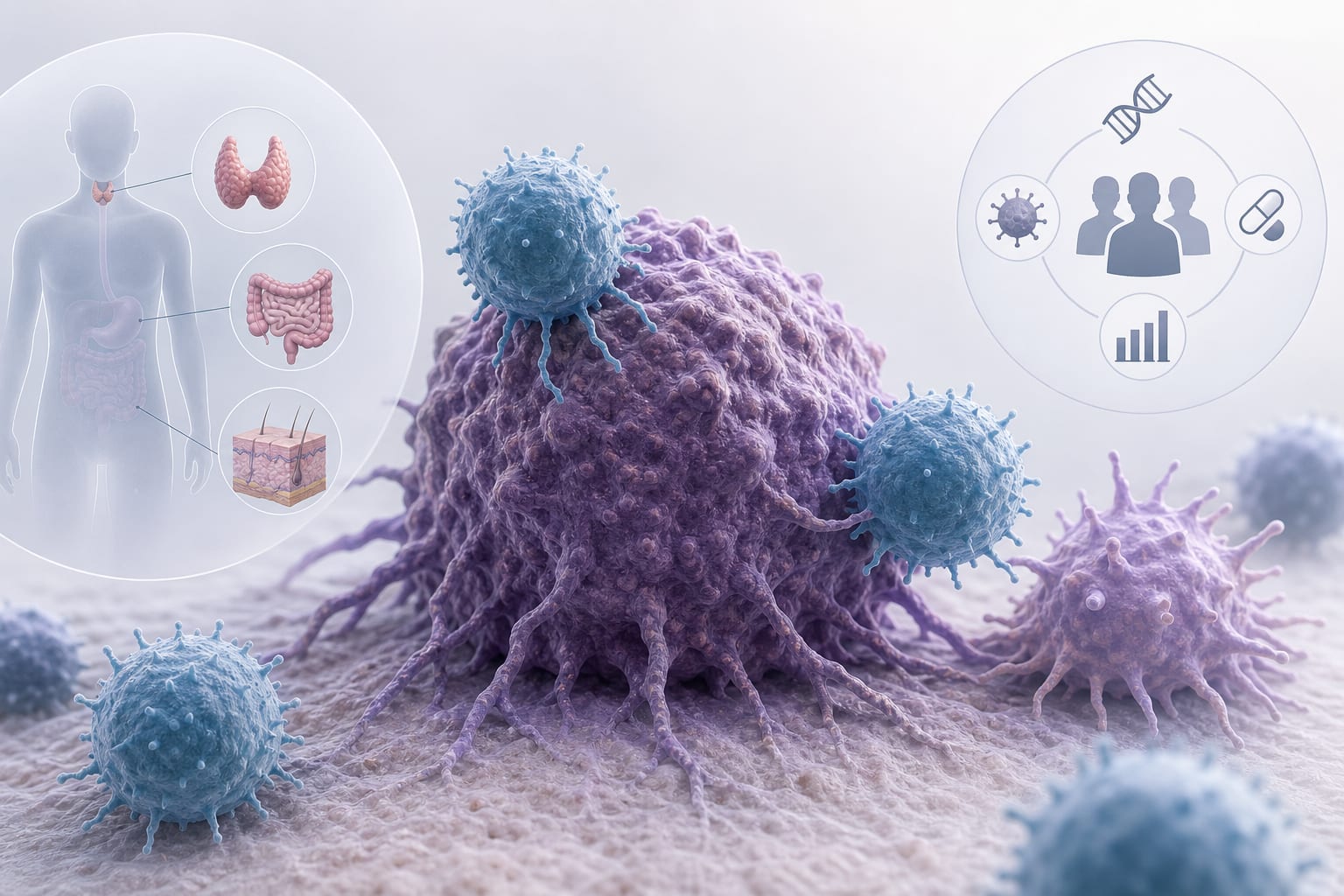
Now, as a member of the Transplant and Cellular Therapy team at Roswell Park, Chelsea Peterson, DO, is eager to see the continued evolution of cellular and CAR T-cell therapies for patients beyond just those with solid tumors.
Clinical Scorecard: Meet the Team: Chelsea Peterson, DO
At a Glance
Category Detail
Condition Lymphomas and hematologic malignancies treated with cellular and CAR T-cell therapies Key Mechanisms Adoptive cell therapy including CAR T-cell therapy targeting B cell and T cell lymphomas Target Population Patients with liquid tumors (lymphomas, leukemias) and potentially solid tumors in the future Care Setting Transplant and cellular therapy units with outpatient follow-up for early discharge patients
Key Highlights
Advancement of cellular and CAR T-cell therapies moving into earlier lines of treatment including first-line settings Focus on making adoptive cell therapies more accessible, affordable, and less toxic Development of early discharge protocols with close outpatient monitoring for transplant and CAR T-cell therapy patients Guideline-Based Recommendations
Diagnosis
Early recognition of cytokine release syndrome (CRS) and immune effector cell-associated neurotoxicity syndrome (ICANS) in CAR T-cell therapy patients Management
Prevention and treatment of graft-versus-host disease (GVHD) in transplant patients Close outpatient follow-up after early hospital discharge for cellular therapy patients Monitoring & Follow-up
Close monitoring for toxicities associated with adoptive cell therapies to enable safe early discharge Risks
Toxicities such as CRS, ICANS, and graft-versus-host disease require early recognition and management Patient & Prescribing Data
Patients with diffuse large B cell lymphoma, CNS lymphoma, and other lymphomas undergoing cellular therapies
Retrospective data research supports outcomes of CAR T-cell therapies; ongoing efforts to improve accessibility and reduce toxicities
Clinical Best Practices
Implement early discharge protocols with robust outpatient monitoring for cellular therapy patients Educate community physicians to manage toxicities and expand access to cellular therapies beyond specialized centers Focus research on adoptive cell therapy applications across various lymphoma subtypes and solid tumors References