Clinical characteristics, predictive factors, and therapeutic outcomes of mycoplasma pneumoniae pneumonia with pleural effusion in children: a retrospective cohort study - Scorecard - MDSpire
Advertisement
Clinical characteristics, predictive factors, and therapeutic outcomes of mycoplasma pneumoniae pneumonia with pleural effusion in children: a retrospective cohort study
Clinical Scorecard: Clinical Features, Prognostic Indicators, and Treatment Outcomes of Mycoplasma Pneumoniae Pneumonia with Associated Pleural Effusion in Pediatric Patients: A Retrospective Analysis
At a Glance
Category
Detail
Condition
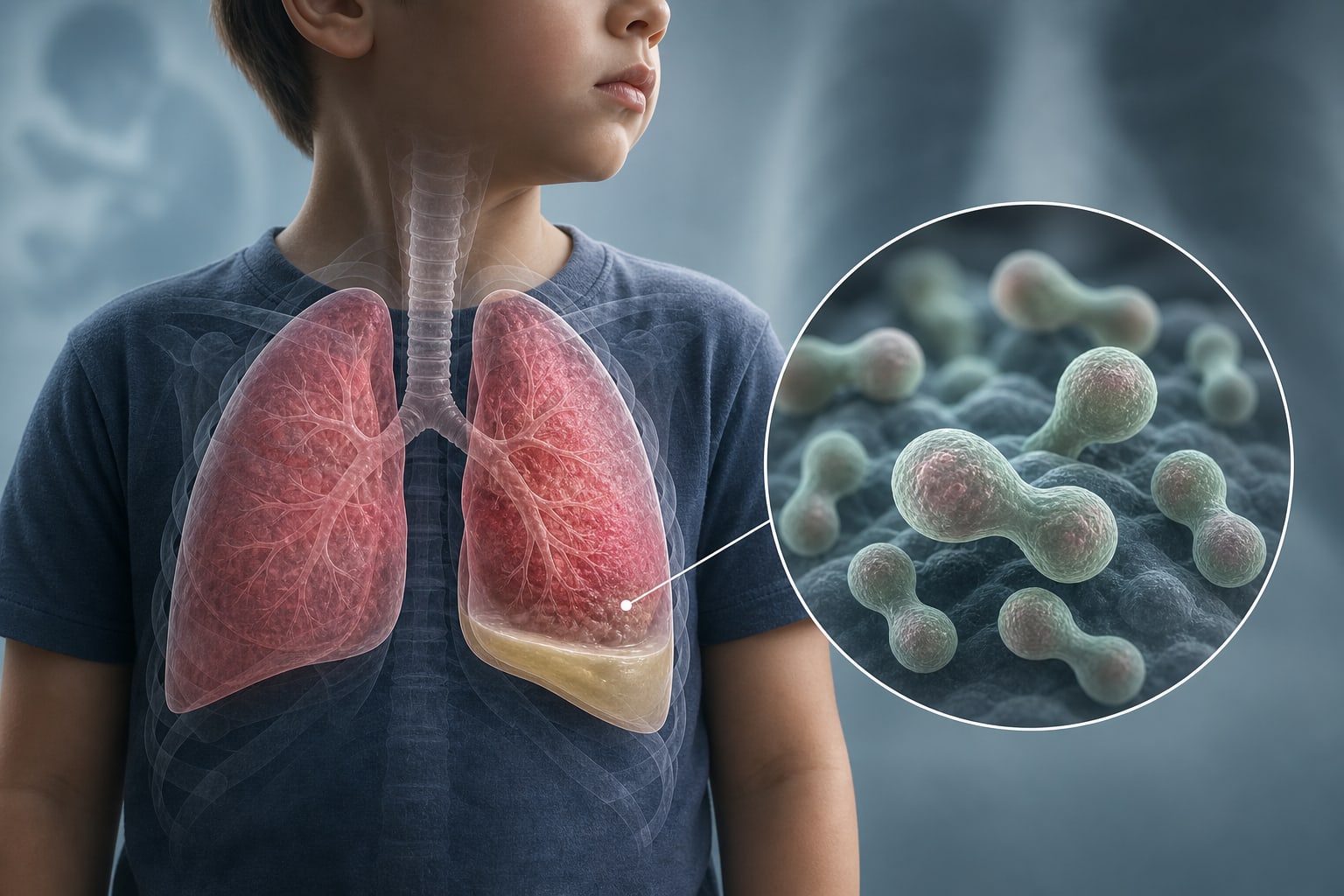
Mycoplasma pneumoniae pneumonia with pleural effusion
Key Mechanisms
Infection by Mycoplasma pneumoniae leading to respiratory complications including pleural effusion.
Target Population
Children aged 1 to 14 years diagnosed with Mycoplasma pneumoniae pneumonia.
Care Setting
Pediatric ward
Key Highlights
100 children with pleural effusion and 100 without were analyzed.
Age, CRP, WBC, and IgM levels were higher in the pleural effusion group.
Autumn infections correlated with lower IgA levels and bilateral lung lesions.
Multivariate analysis identified predictors for pleural effusion.
High rates of macrolide resistance in Mycoplasma pneumoniae were noted.
Guideline-Based Recommendations
Diagnosis
Diagnosis based on symptoms, laboratory tests, and imaging consistent with Mycoplasma pneumoniae pneumonia.
Management
Consider intravenous glucocorticoids and antibiotics for treatment, especially in cases with pleural effusion.
Monitoring & Follow-up
Close observation for complications in patients with pleural effusion.
Risks
Increased risk of severe complications such as pleural effusion in Mycoplasma pneumoniae infections.
Patient & Prescribing Data
Children diagnosed with Mycoplasma pneumoniae pneumonia.
New treatment strategies may be needed due to high macrolide resistance.
Clinical Best Practices
Identify high-risk patients early based on clinical and laboratory predictors.
Monitor for complications in children with Mycoplasma pneumoniae pneumonia.