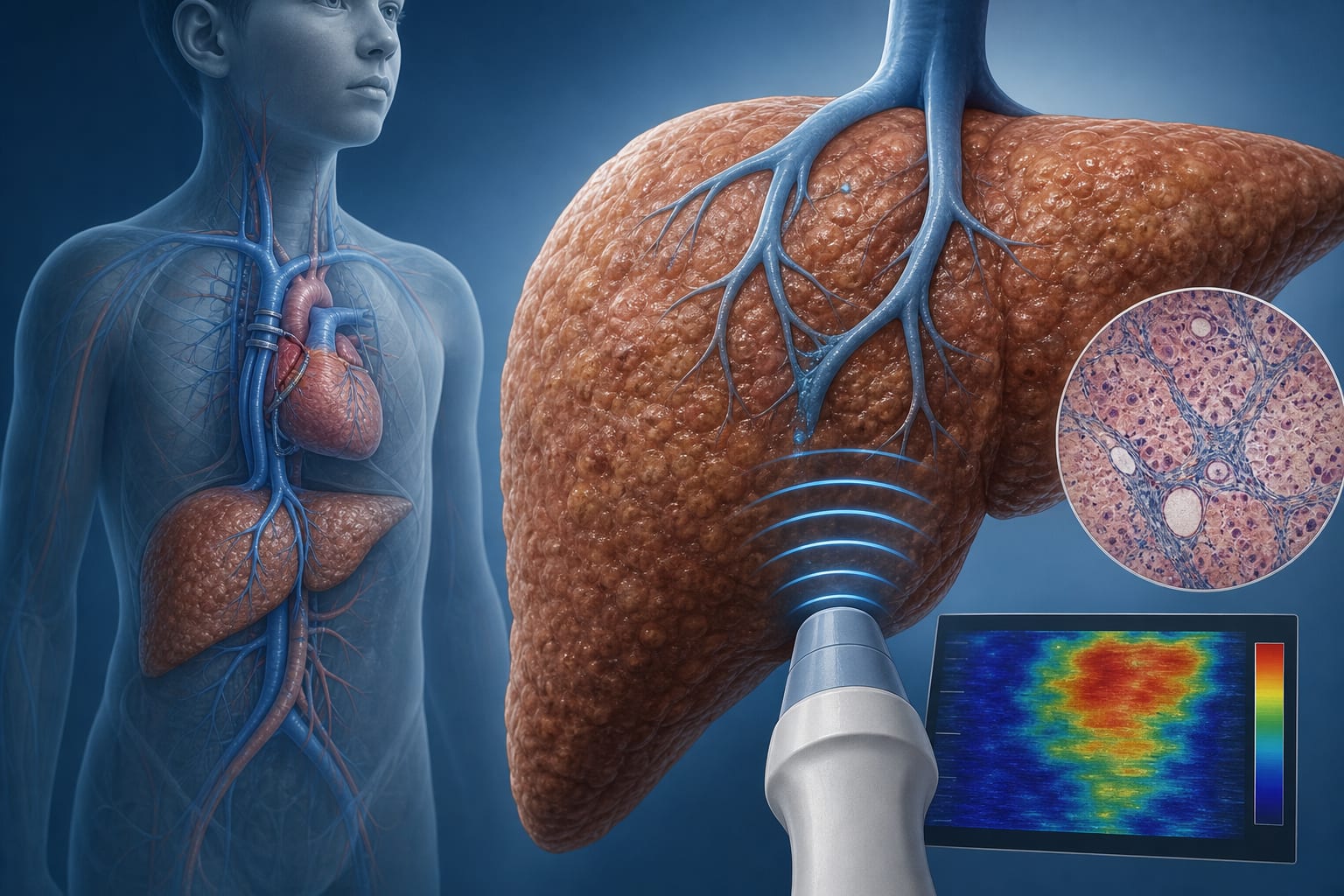
Combining Fine Needle Aspiration with Single-Cell RNA Sequencing to Investigate Metabolic Dysfunction-Related Steatotic Liver Disease
-
By
-
Matthew P. Salomon
-
Lucy Golden-Mason
-
Ivetta Vorobyova
-
Gary C. Kanel
-
Yufen Wang
-
Daphne Wong
-
Ana C. Maretti-Mira
-
July 20, 2026
Clinical Scorecard: Combining Fine Needle Aspiration with Single-Cell RNA Sequencing to Investigate Metabolic Dysfunction-Related Steatotic Liver Disease
At a Glance
| Category | Detail |
|---|
| Condition | Metabolic dysfunction-associated steatotic liver disease (MASLD) |
| Key Mechanisms | Immune response, lipid-induced hepatocyte stress, and death |
| Target Population | Adults with chronic liver disease |
| Care Setting | Preclinical research using animal models |
Key Highlights
- MASLD is the leading cause of chronic liver disease and hepatocellular carcinoma.
- FNA combined with scRNA-seq allows for longitudinal immune profiling.
- The study identifies shifts in the hepatic immune landscape due to dietary interventions.
- The approach reduces the number of animals needed for research.
- The study supports the feasibility of new methodologies in chronic liver disease research.
Guideline-Based Recommendations
Diagnosis
- Utilize fine-needle aspiration for tissue sampling in liver disease studies.
Management
- Focus on dietary interventions to assess their impact on MASH progression.
Monitoring & Follow-up
- Profile immune cells using single-cell RNA sequencing for longitudinal studies.
Risks
- Consider the potential for stress and complications associated with FNA procedures.
Patient & Prescribing Data
Not applicable; study conducted in a murine model.
Dietary cholesterol impacts the progression of MASH.
Clinical Best Practices
- Implement image-guided FNA for accurate tissue sampling.
- Use longitudinal studies to better understand disease progression.
- Adopt new approach methodologies to minimize animal use in research.
Related Resources & Content