3% diquafosol sodium combined with 0.1% fluorometholone for postoperative dry eye in pterygium patients with preoperative tear deficiency: a pilot retrospective study - Scorecard - MDSpire

3% diquafosol sodium combined with 0.1% fluorometholone for postoperative dry eye in pterygium patients with preoperative tear deficiency: a pilot retrospective study

  • By

  • Qin Tian

  • Xingde Liu

  • Zhangquan Peng

  • Jiaqian Li

  • Juan Xie

  • Dan Zhang

  • Juan Du

  • June 30, 2026

  • 0 min

Share

Clinical Scorecard: Efficacy and Safety of 3% Diquafosol Sodium with 0.1% Fluorometholone for Managing Postoperative Dry Eye in Pterygium Patients with Preoperative Tear Deficiency: A Pilot Retrospective Analysis

At a Glance

CategoryDetail
ConditionPostoperative Dry Eye in Pterygium Patients
Key MechanismsDiquafosol sodium stimulates tear secretion; fluorometholone provides anti-inflammatory effects.
Target PopulationPterygium patients with preoperative tear deficiency.
Care SettingOphthalmology outpatient clinic.

Key Highlights

  • Combination therapy showed significant improvement in tear film stability and dry eye symptoms.
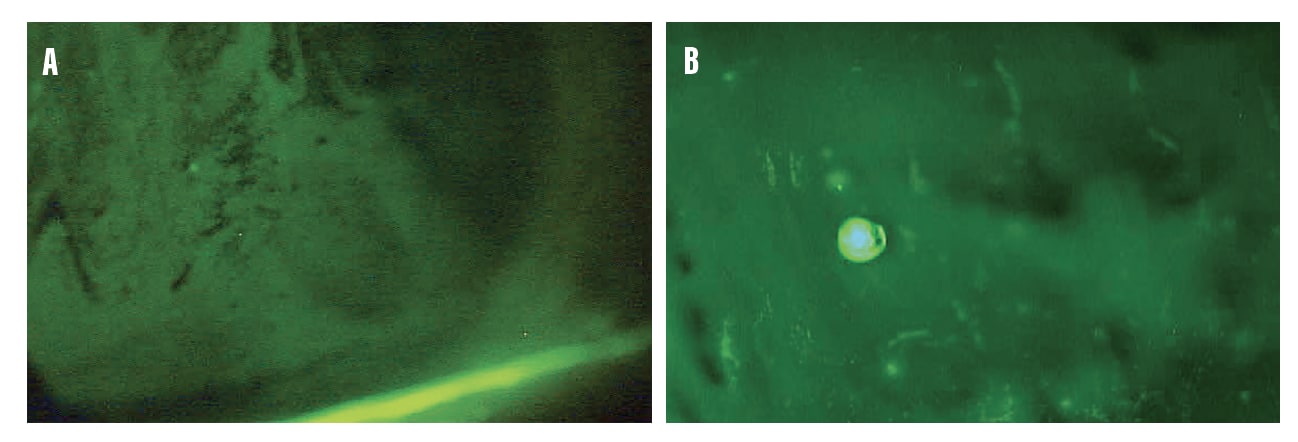
  • Observation group had longer tear break-up time and lower corneal fluorescein staining scores.
  • Transient ocular stinging occurred in 4.88% of the observation group.

Guideline-Based Recommendations

Diagnosis

  • Assess preoperative tear deficiency using Schirmer I test.

Management

  • Consider combination of diquafosol sodium and fluorometholone for postoperative dry eye.

Monitoring & Follow-up

  • Evaluate tear break-up time, corneal fluorescein staining, and intraocular pressure postoperatively.

Risks

  • Monitor for transient ocular stinging and other potential adverse effects.

Patient & Prescribing Data

Patients undergoing pterygium excision with preoperative tear deficiency.

Diquafosol sodium may enhance tear production and improve ocular surface health.

Clinical Best Practices

  • Use standardized protocols for assessing postoperative outcomes.
  • Ensure informed consent and ethical approval for clinical studies.

Related Resources & Content

Original Source(s)

Related Content