Cross-sectional associations of nighttime sleep and daytime nap duration with myopia in preschool children: the mediating role of body mass index - Scorecard - MDSpire
Clinical Scorecard: Associations Between Nighttime Sleep and Daytime Napping Duration with Myopia in Preschoolers: The Mediating Effect of Body Mass Index
At a Glance
Category
Detail
Condition
Myopia
Key Mechanisms
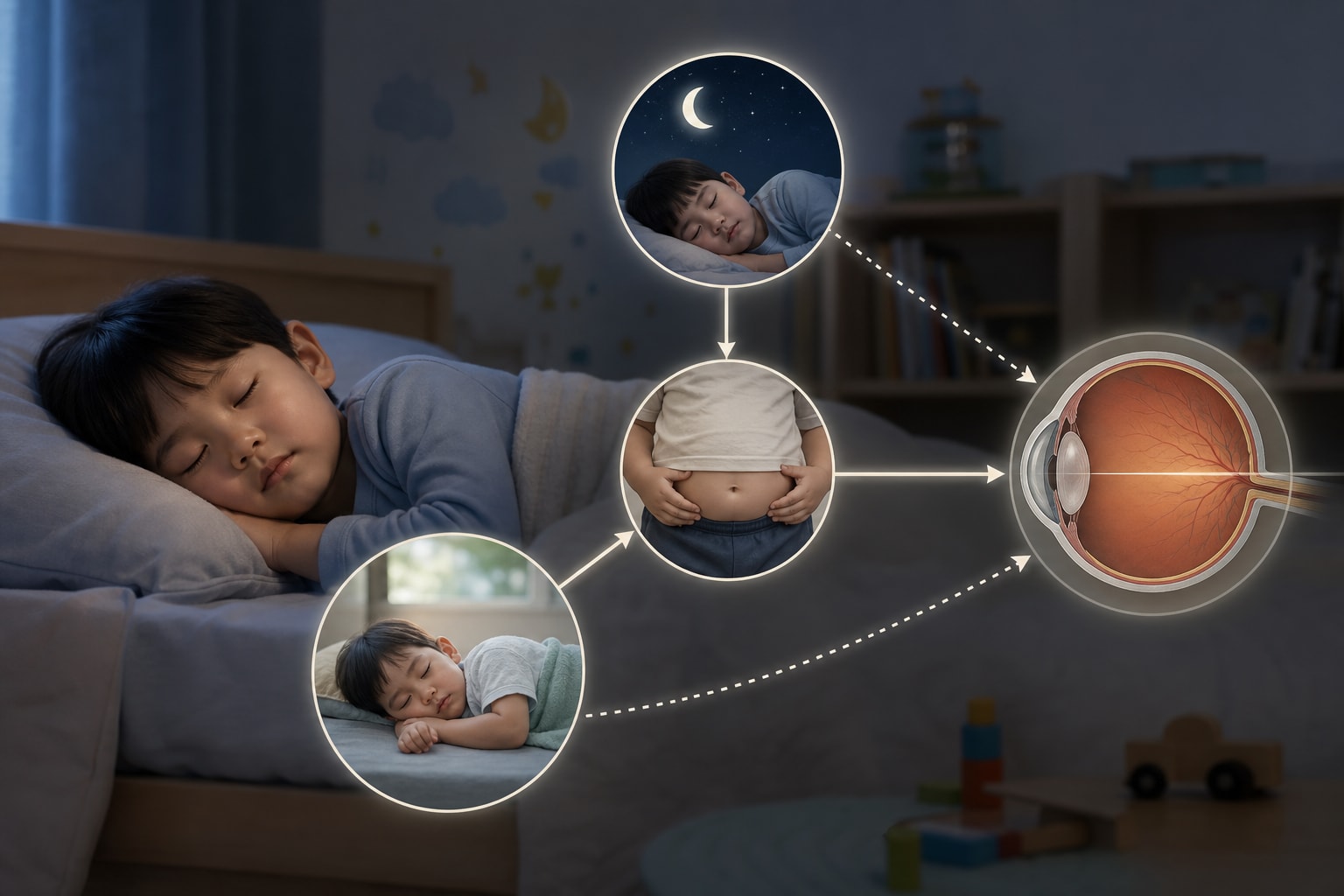
Nighttime sleep and daytime nap duration are inversely associated with myopia risk, with BMI as a partial mediator.
Target Population
Preschool children aged 3–7 years
Care Setting
Pediatric ophthalmology and public health
Key Highlights
Prevalence of myopia in the study population was 21.29%.
Daytime nap duration and nighttime sleep duration are negatively associated with myopia risk.
A protective inflection point for daytime napping was identified at 38 minutes.
BMI accounted for 24.79% and 28.16% of the total effects of daytime nap and nighttime sleep on myopia, respectively.
The study emphasizes the importance of adequate sleep for myopia prevention.
Guideline-Based Recommendations
Diagnosis
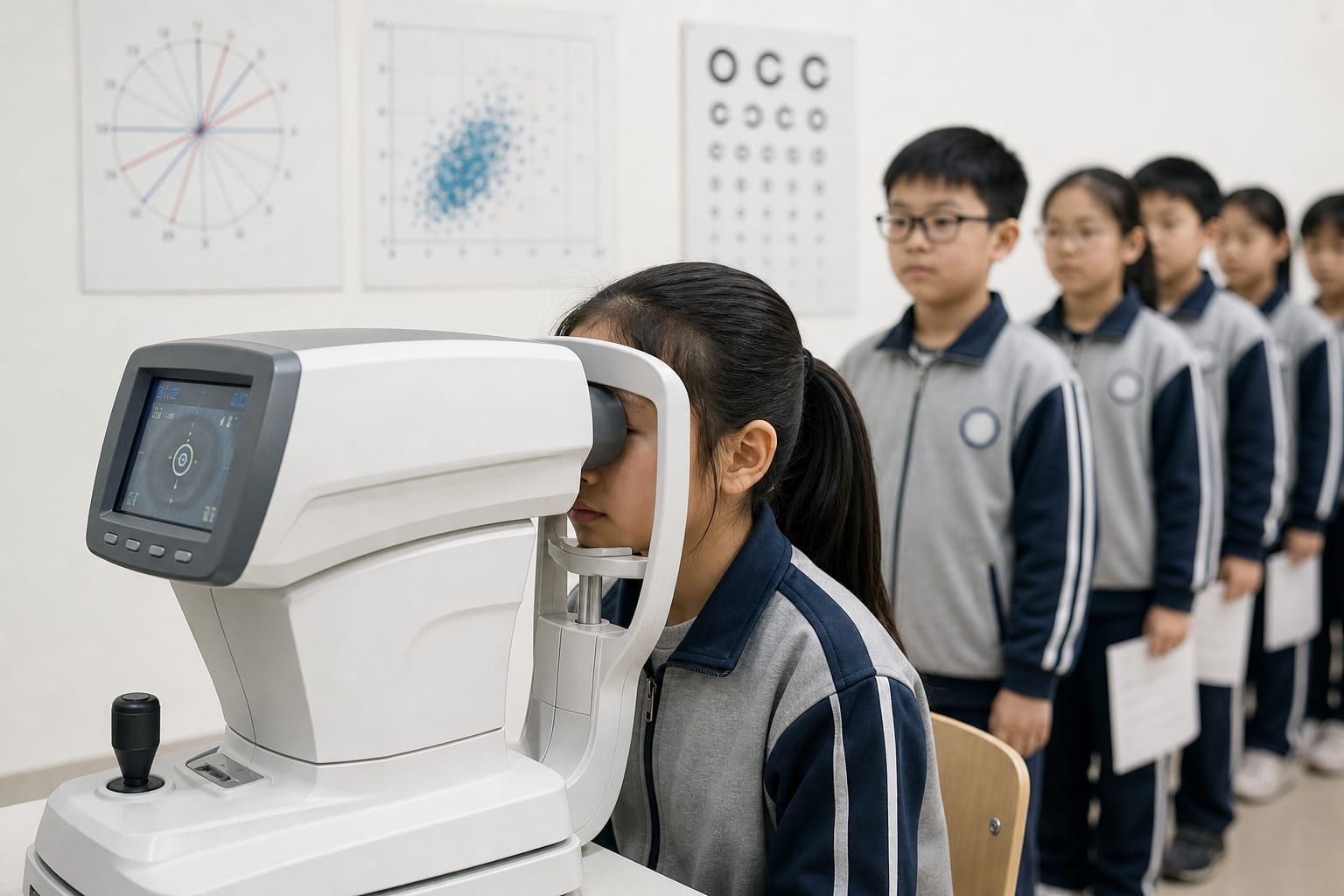
Ophthalmic examinations should follow national myopia screening guidelines.
Management
Encourage adequate nighttime sleep and appropriate daytime napping in preschool children.
Monitoring & Follow-up
Monitor sleep duration and BMI as part of myopia risk assessment.
Risks
High myopia is associated with irreversible blinding complications.
Patient & Prescribing Data
Preschool children aged 3–7 years attending kindergarten.
Ensuring adequate sleep duration may represent an effective strategy for early myopia prevention.
Clinical Best Practices
Assess sleep duration and BMI in preschool children during routine check-ups.
Implement educational programs for parents about the importance of sleep for eye health.
Eric Donnenfeld, MD, FACS explains how technologies to correct astigmatism can dramatically improve patient satisfaction and uncorrected visual acuity.