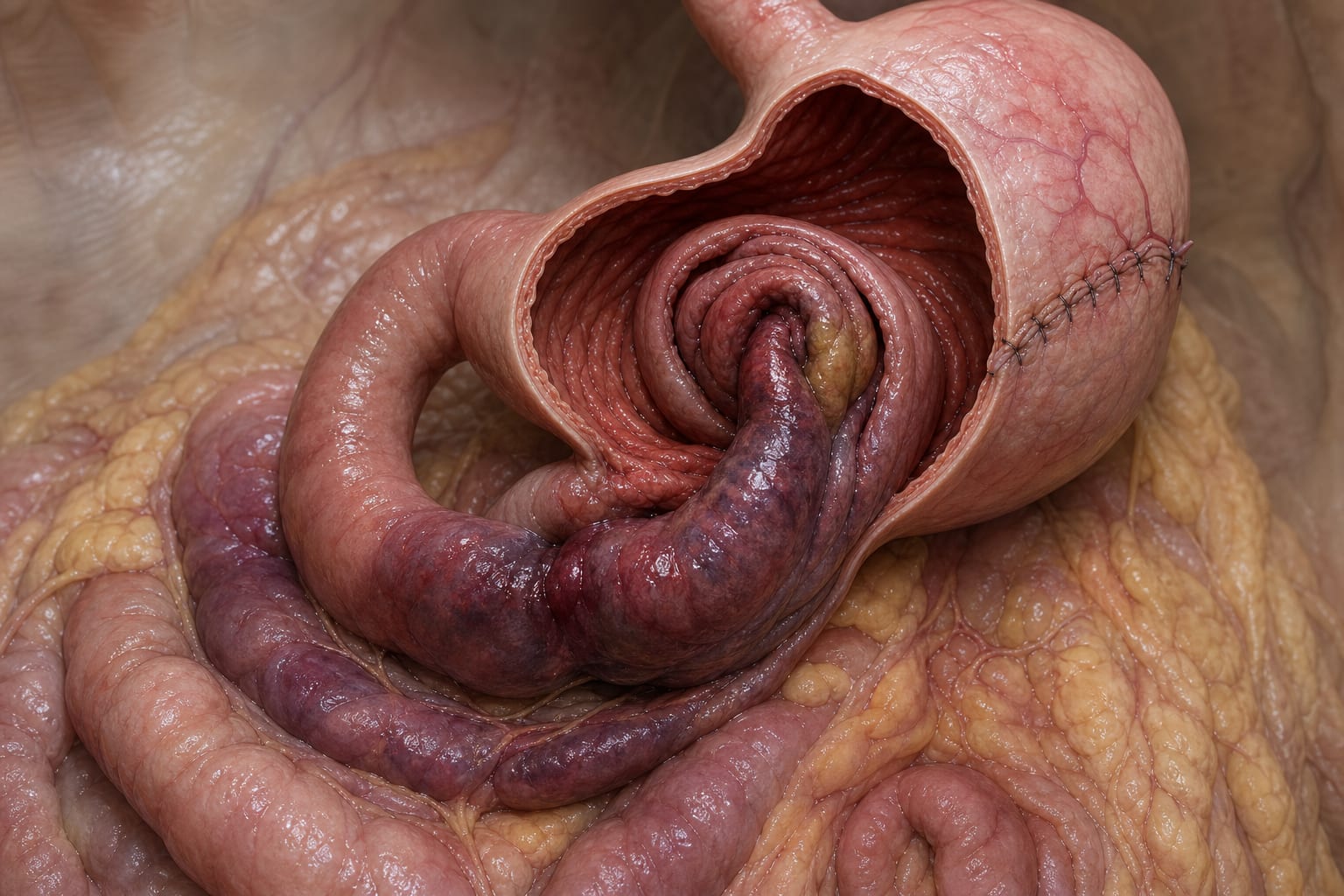
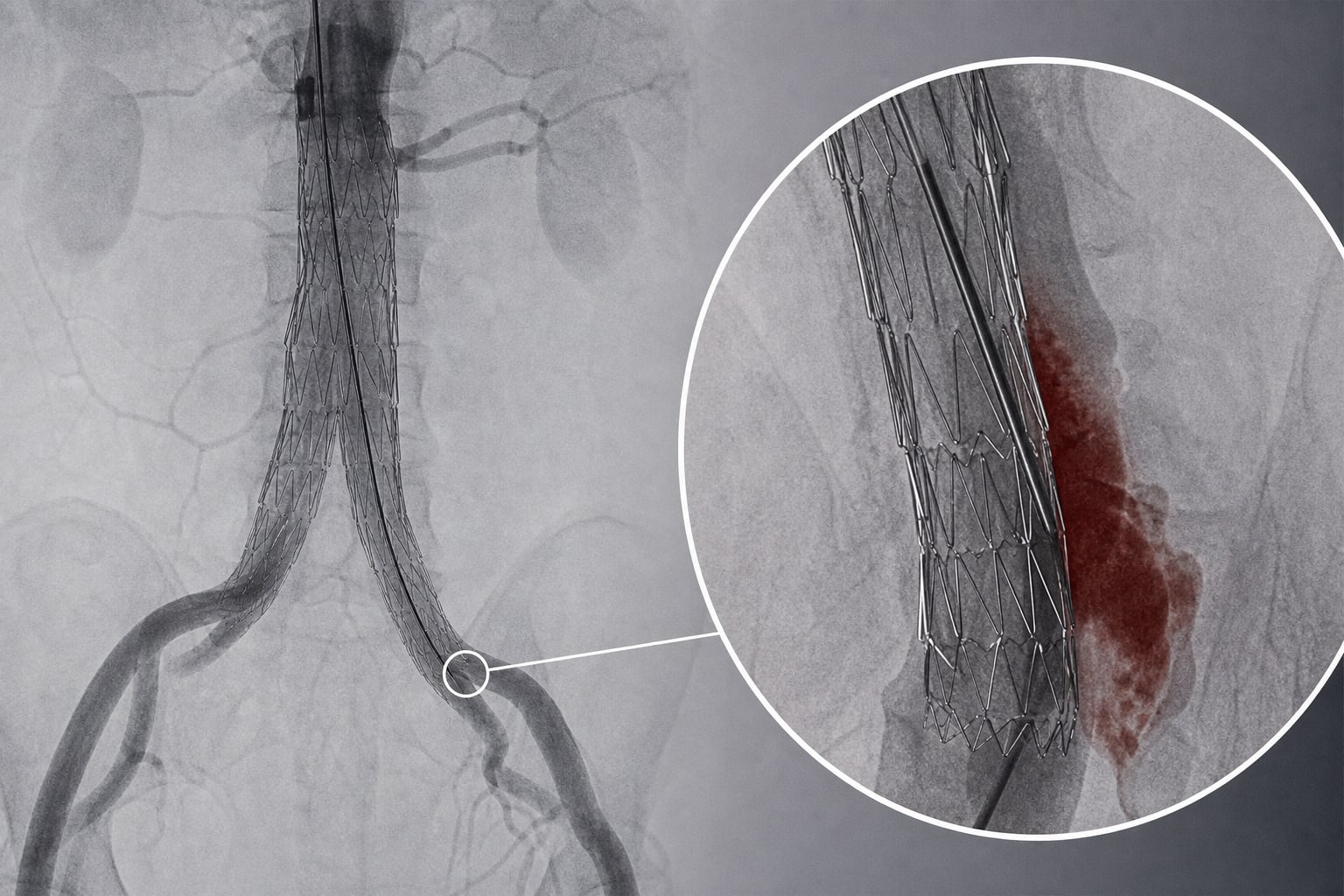
A case report of jejunogastric intussusception complicated by torsion: 17 years after subtotal gastrectomy
-
By
-
Haoyu Zhu
-
Lei Peng
-
Haipeng Liu
-
June 24, 2026
-
Clinical Scorecard: Jejunogastric Intussusception with Torsion: A Case Study 17 Years Post-Subtotal Gastrectomy
At a Glance
| Category | Detail |
|---|
| Condition | Jejunogastric Intussusception (JGI) with Torsion |
| Key Mechanisms | Complication of gastrectomy leading to bowel obstruction and ischemia. |
| Target Population | Patients with a history of gastrectomy, particularly those presenting with acute abdominal symptoms. |
| Care Setting | Emergency surgical intervention in a tertiary care center. |
Key Highlights
- JGI with torsion is a rare but life-threatening complication post-gastrectomy.
- Incidence of JGI among gastrectomy patients is less than 0.1%.
- Early diagnosis via CT is crucial for timely surgical intervention.
- Emergency laparotomy is the first-line treatment for acute JGI.
- Postoperative recovery was uneventful with no recurrence at 6-month follow-up.
Guideline-Based Recommendations
Diagnosis
- Consider JGI in patients with a history of gastrectomy presenting with acute abdominal pain, vomiting, or hematemesis.
Management
- Emergency laparotomy with intestinal reduction or resection of the intussuscepted segment is recommended.
Monitoring & Follow-up
- Postoperative follow-up with imaging to assess for recurrence of torsion or intussusception.
Risks
- Ischemia and necrosis of the bowel due to delayed diagnosis and intervention.
Patient & Prescribing Data
Elderly patients with a history of subtotal gastrectomy.
Surgical intervention is critical to prevent complications such as bowel ischemia.
Clinical Best Practices
- Utilize CT imaging for prompt diagnosis of JGI.
- Perform emergency surgery when ischemia is suspected.
- Monitor for signs of bowel viability during surgical intervention.
Related Resources & Content