Carbon Dioxide During First-Intention High-Frequency Jet Ventilation: A Narrow Therapeutic Window
-
By
-
Adanna Nwaneri
-
C. Michael Cotten
-
Kevin Williams
-
June 23, 2026
-
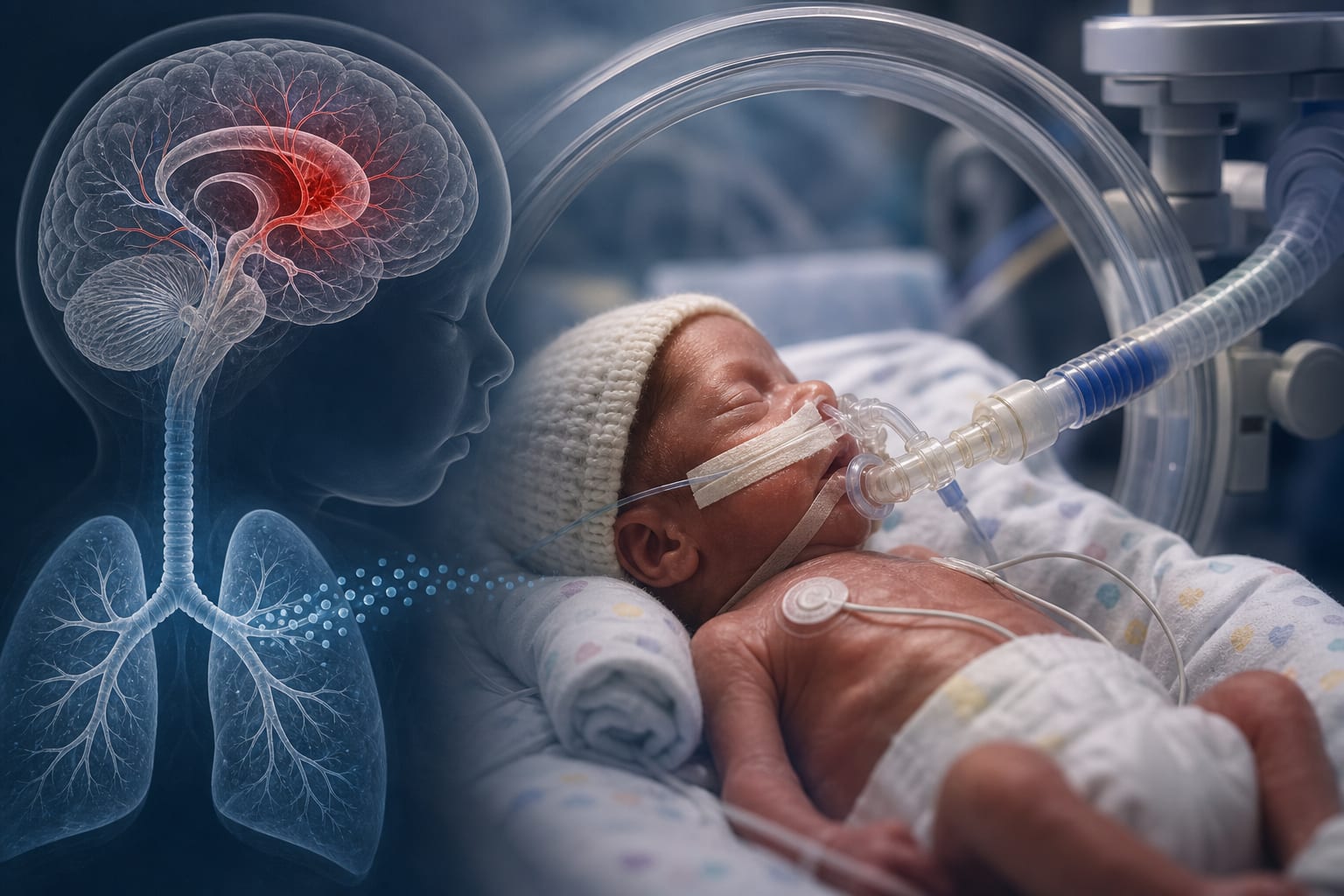
Clinical Scorecard: Carbon Dioxide Levels in First-Intention High-Frequency Jet Ventilation: A Limited Therapeutic Range
At a Glance
| Category | Detail |
|---|
| Condition | Carbon Dioxide Levels in Extremely Preterm Infants |
| Key Mechanisms | Regulation of cerebral vascular tone and impact on hemodynamic stability. |
| Target Population | Infants <26 weeks’ gestation managed with high-frequency jet ventilation. |
| Care Setting | Neonatal intensive care units. |
Key Highlights
- Lower peak PaCO2 and smaller fluctuations are associated with better outcomes.
- Proposed cut points: peak PaCO2 <65 mm Hg, fluctuation <25 mm Hg, deviation from target <15 mm Hg.
- PaCO2 stability is crucial for avoiding severe intraventricular hemorrhage.
Guideline-Based Recommendations
Diagnosis
- Monitor PaCO2 levels in extremely preterm infants during the first 24 postnatal hours.
Management
- Aim for PaCO2 levels within the target range of 40–50 mm Hg.
Monitoring & Follow-up
- Frequent blood gas sampling to assess PaCO2 levels.
Risks
- Higher peak PaCO2 and greater fluctuations are associated with lower odds of survival and severe IVH.
Patient & Prescribing Data
Extremely preterm infants with a mean gestational age of 24.3 weeks and mean birthweight of 656 g.
Initial-intention HFJV strategies are used in contemporary care for this vulnerable population.
Clinical Best Practices
- Implement standardized protocols for monitoring and managing PaCO2 levels.
- Consider the individual clinical context when interpreting PaCO2 data.
Related Resources & Content