Clinical Scorecard: Cardiovascular Events Following the Cessation of Xanthine Oxidase Inhibitors: A Cohort Analysis
At a Glance
Category
Detail
Condition
Gout and hyperuricemia treated with xanthine oxidase inhibitors
Key Mechanisms
Xanthine oxidase inhibition reduces oxidative stress and endothelial dysfunction; withdrawal may increase cardiovascular risk via reversal of these effects
Target Population
Adults with gout initiating xanthine oxidase inhibitor therapy
Care Setting
Outpatient and inpatient clinical settings with claims data analysis
Key Highlights
Xanthine oxidase inhibitors (allopurinol, febuxostat) lower serum uric acid and may confer cardiovascular protection.
Discontinuation of xanthine oxidase inhibitors is associated with increased risk of acute cardiovascular events including myocardial infarction and ischemic stroke.
Study used a large national claims database with time-varying exposure analysis to evaluate cardiovascular risk post-XOi cessation.
Guideline-Based Recommendations
Diagnosis
Identify gout diagnosis using ICD-9-CM 274.x or ICD-10-CM M10.xx codes.
Confirm initiation of xanthine oxidase inhibitor therapy via pharmacy claims.
Consider colchicine prophylaxis when initiating XOi therapy, noting its possible cardioprotective effects.
Monitoring & Follow-up
Monitor for acute cardiovascular events (AMI, ischemic stroke) especially during and after XOi discontinuation.
Assess comorbidities and medication adherence regularly.
Risks
Discontinuation of xanthine oxidase inhibitors may increase risk of acute cardiovascular events.
Withdrawal syndrome hypothesized due to reversal of oxidative stress attenuation.
Patient & Prescribing Data
Adults with gout initiating allopurinol or febuxostat therapy
Recent discontinuation of XOi therapy within 90 days is linked to higher incidence of acute cardiovascular events; continuous therapy may offer modest cardiovascular protection.
Clinical Best Practices
Use time-varying exposure assessment to accurately evaluate medication discontinuation effects.
Adjust for confounding factors including colchicine use and comorbidities in cardiovascular risk assessment.
Exclude patients with prior acute cardiovascular events to isolate incident event risk.
Employ large claims databases for real-world evidence on medication safety.
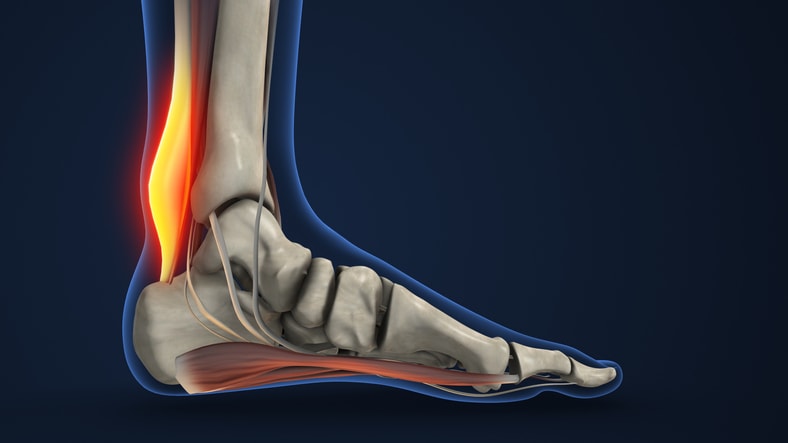
A case report highlighted extensive intratendinous urate deposition and bilateral Achilles tendon rupture, raising awareness of tendon complications in advanced gout.